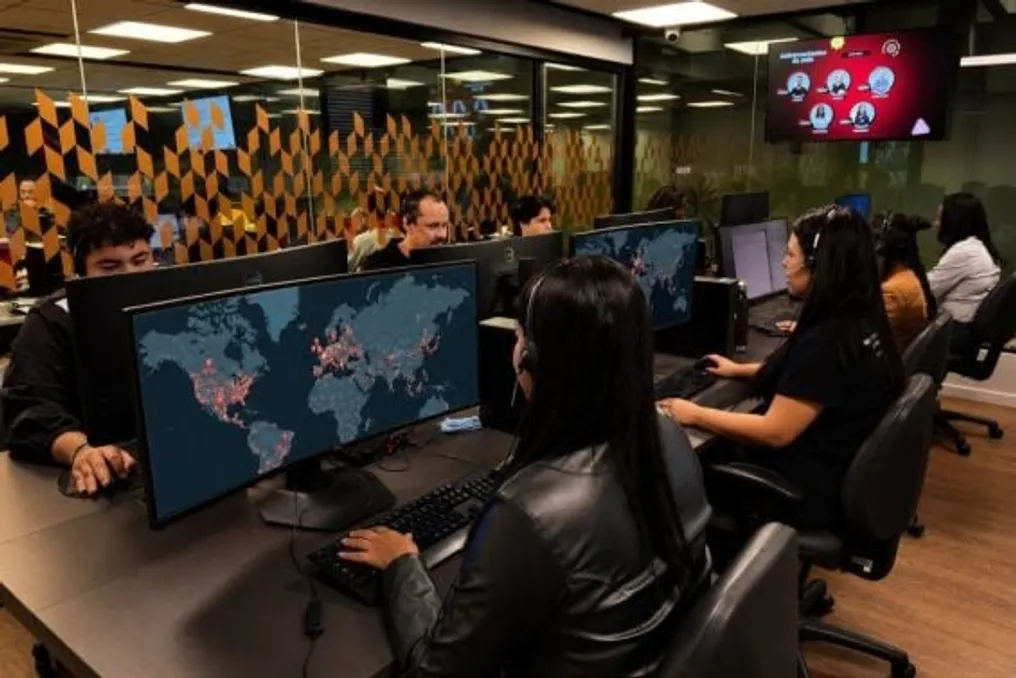
Chinese automakers entering the Brazilian market without a complete after-sales infrastructure have opted to outsource Customer Service (SAC) and 24-hour support, while keeping their own manufacturer's name visible.
This service structure was organized by Velox, a company specializing in assistance and service, which reports performing approximately 900,000 annual services, with over 18,000 professionals distributed across the country.
According to data from the National Association of Automotive Manufacturers (Anfavea), in 2025, 37.6% of the 497,800 imported vehicles registered in Brazil came from China. Argentina was the only other country to send vehicles to the Brazilian market.
Currently, there are almost twenty Chinese brands operating in Brazil, but the service network is still in the consolidation phase. Velox points out that outside metropolitan areas, the nearest dealership can be hundreds of kilometers away, which negatively impacts the purchasing decision due to the lack of immediate assistance.
In practice, when a customer contacts the call center, they interact with an operation displaying the automaker's identity. However, the contracted company is responsible for managing the service, coordinating roadside assistance, and supervising the network of providers, all within the deadlines established in the contract, known as SLA.
Each request is recorded in an internal platform called ISION, allowing the manufacturer to monitor performance indicators in real time. Letícia Costa Ramos Abdo, director of Velox, stated that the automaker uses its brand as a facade while Velox assumes the operation behind it, ensuring the SLA and conducting audits.
Rafael Torquetti, CEO of Velox, justified that outsourcing assistance is a more economical and agile alternative for newly arrived brands compared to building a proprietary structure from scratch, in addition to helping preserve the brand's reputation from the first vehicle sold.