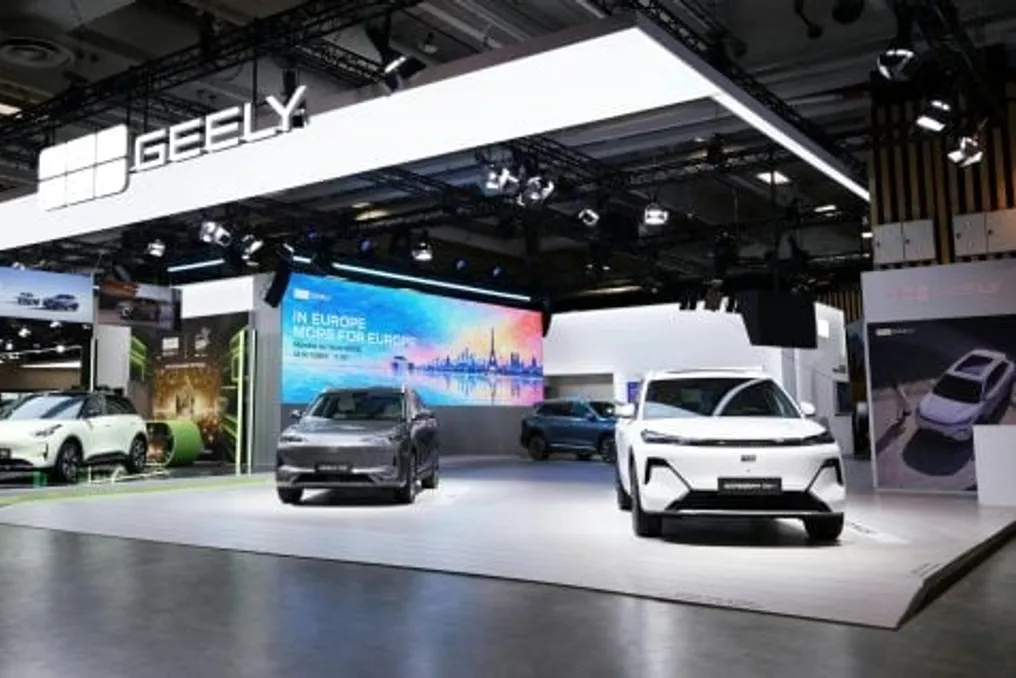
The European Union (EU) has established an initial four-year agreement with China aimed at restricting the exports of hybrid and plug-in hybrid electric vehicles (PHEVs). According to Reuters, although Chinese authorities stated that China is not primarily responsible for the EU's problems, it positioned itself as a partner in finding a solution. This action represents a diplomatic response to the previous massive influx of fully electric automobiles.
For French President Emmanuel Macron, this measure aims to 'better protect the European market against unfair competition,' as reported by France Press. There has been a significant increase in Chinese presence in the European market, jumping from just 1% five years ago to 10%. The new pact stipulates a quota limited to 300,000 hybrid units annually.
China, being a major oil importer, has encouraged the transition to electric and hybrid vehicles through high subsidies, while simultaneously imposing access barriers for European brands in its vast domestic market, which reaches about 30 million vehicles per year. However, this volume is already showing signs of saturation, and the single-party government's directive has been to export at all costs.
In response, Chinese automaker factories have already decided to establish themselves on the European continent to circumvent these restrictions, facing challenges such as workers' unions and other explicit and implicit costs. Unlike in China, where unions do not confront the central government with strikes, companies in Europe will have to deal with these labor conflicts.
Regarding Brazil, the Federal Government's reactions have been slow, maintaining a posture of 'welcome.' It took time for the maximum import tax rate for Chinese vehicles to be raised to 35%, a figure lower than the maximum of 48% (which can reach 64%) applied in the European Union. In the United States, taxation for Chinese cars starts at 125% and can reach 247%.
Although Brazil should not adopt these extreme tariffs, the current 35% is still interpreted more as an invitation than a true barrier, serving to safeguard national job positions and the financial stability of the production chain.