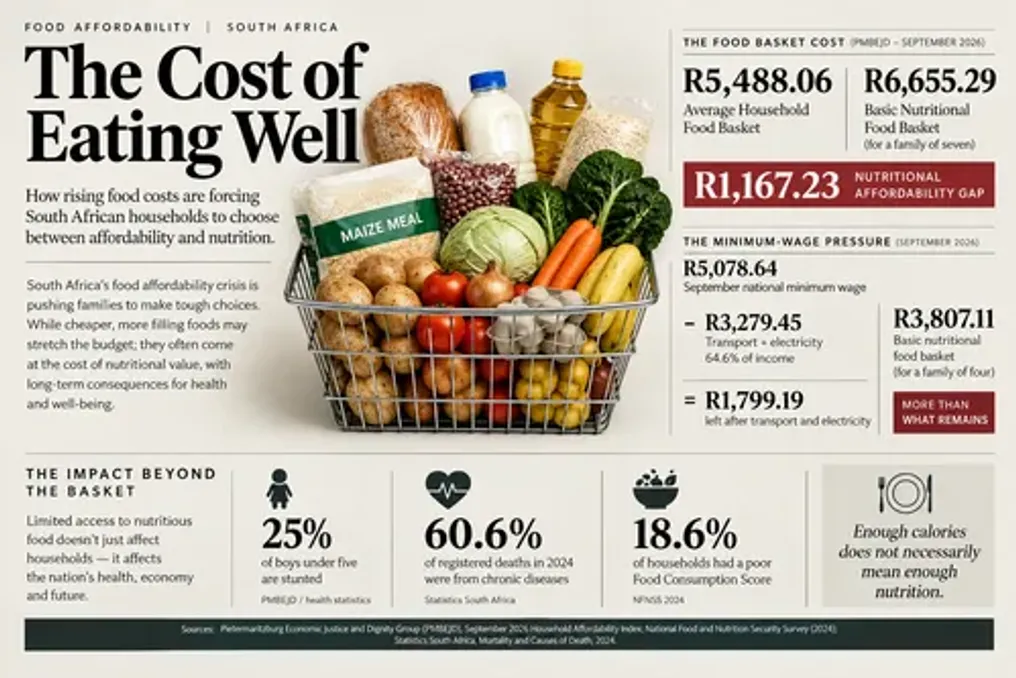
A troubling paradox is observed in South Africa: one in five households is unsure where their next meal will come from, despite the country producing enough food for its entire population.
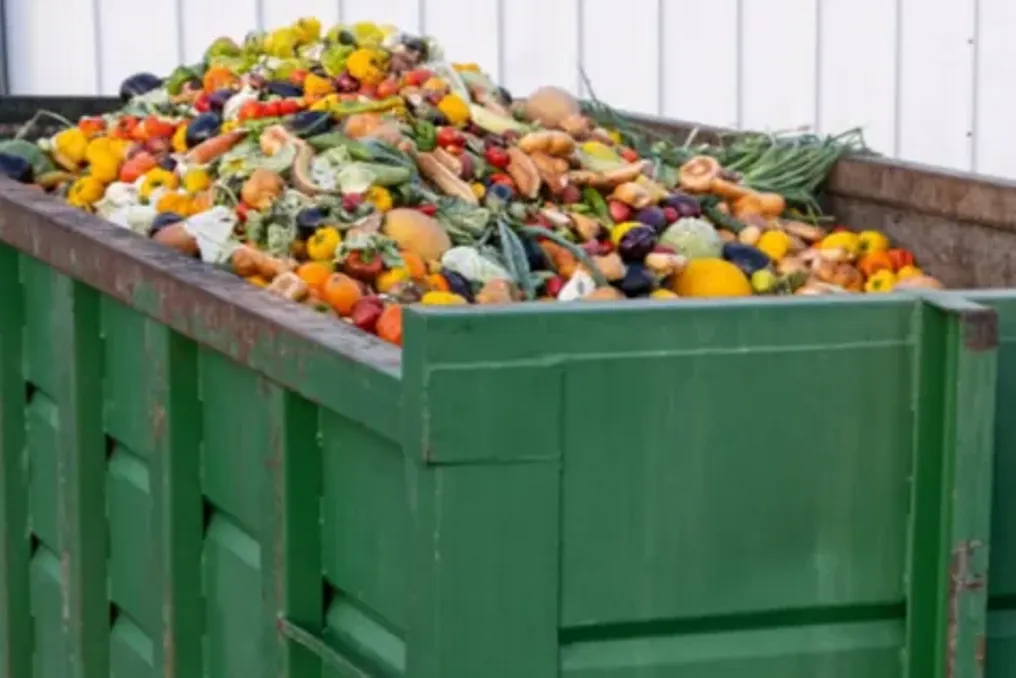
Statistics indicate that about three million children regularly go to bed hungry, and one in three deaths among children under five is linked to severe acute malnutrition. Concurrently, approximately 10.3 million tons of edible food—representing 34% of local production—are wasted annually, costing the economy around 61.5 billion rand, or 2.1% of GDP.
On World Food Security Day, observed on October 16th, Professor Jacob Wolschenk, an associate professor at the School of Business, Stellenbosch University, called for urgent and systematic intervention to combat both hunger and food waste. He believes these issues deserve the same attention as critical concerns such as energy supply, infrastructure, and crime.
The need to tighten food waste disposal regulations
Wolschenk emphasized that solving the food waste problem must not only reduce the volume of losses but also ensure that surplus nutritious food in one region reaches needy communities. He advocates for introducing strict standards, proposing to make discarding unsold edible products illegal instead of donating them.
More than a quarter of children in South Africa under the age of five suffer from stunted growth due to chronic malnutrition, which negatively affects their physical and cognitive development. This limits their opportunities in school and future employment prospects.
The professor noted that child malnutrition perpetuates the cycle of poverty, leading to reduced labor productivity, decreased income, and increased healthcare costs. In his estimation, addressing child malnutrition could increase South Africa's GDP per capita by approximately 9%.
Food waste represents multifaceted losses: it is not just the loss of food itself, but also the water, energy, and resources used in its production. Furthermore, sending food waste to landfills contributes to about 7.6% of South Africa's total greenhouse gas emissions. Globally, the environmental consequences are enormous, as food losses and waste account for 8–10% of greenhouse gas emissions—five times more than the aviation sector.
Wolschenk also pointed out how external global factors, such as ongoing conflicts affecting grain transport and rising energy prices, threaten local agriculture. He warned that the current El Niño cycle, characterized by dry conditions and low rainfall, will exacerbate pressure on food production during the 2027/28 planting seasons.
The professor stated that issues affecting global food production and trade are interconnected with climate, energy, emissions, and water scarcity. He stressed that the focus is not only on the ability to produce food but also on how and where to farm to create a sustainable food system that ensures access to nutritious food for all South Africans.
Despite the urgency of this issue, a significant portion of food waste occurs during processing and packaging stages (49%), and another 18% is lost at the consumption stage. To effectively address these challenges, he believes South Africa needs an integrated strategy requiring cooperation between government departments overseeing agriculture, environment, health, and social welfare. Alongside this, both incentives for redistributing food surpluses and stricter food waste disposal rules are critically important.
The professor noted that the high cost of healthy food, which can account for nearly 70% of a nutritious diet, remains a barrier to access. Weak cold chain systems, unreliable energy sources, and inefficient distribution networks compound these problems, increasing costs at every stage of the food supply chain.
It is crucial that all stakeholders in this chain—government, private sector, and civil society—collaborate to ensure that food surpluses are stored, transported, and distributed rather than simply being thrown away. Professor Wolschenk stated that to achieve the goal set under the UN Sustainable Development Goal for sustainable consumption and production, South Africa must aim to halve food waste per capita by 2030.
For practical solutions to combat food waste, the professor proposed several strategies:
- At the farm level: Producers should align output volumes with market demand and seek sales channels for lower-quality produce.
- Food processing: Improving food safety standards and implementing innovative preservation methods can extend product shelf life.
- Retailers: Incentives for discounts on near-expiry items and establishing partnerships with non-profit organizations for food donations are necessary.
- Consumer behavior: Buyers should plan meals better, prefer local seasonal produce, and revive food preservation methods to minimize waste.
The professor concluded that poverty, inequality, hunger, food waste, climate change, and water scarcity cannot be solved in isolation. He added that every ton of edible food sent to landfills represents a significant loss of resources and emissions, coexisting with households going to bed hungry and those consuming nutrient-poor, energy-dense food. The effectiveness of South Africa's food system should be measured by how well it truly nourishes every citizen, especially amid a changing climate.