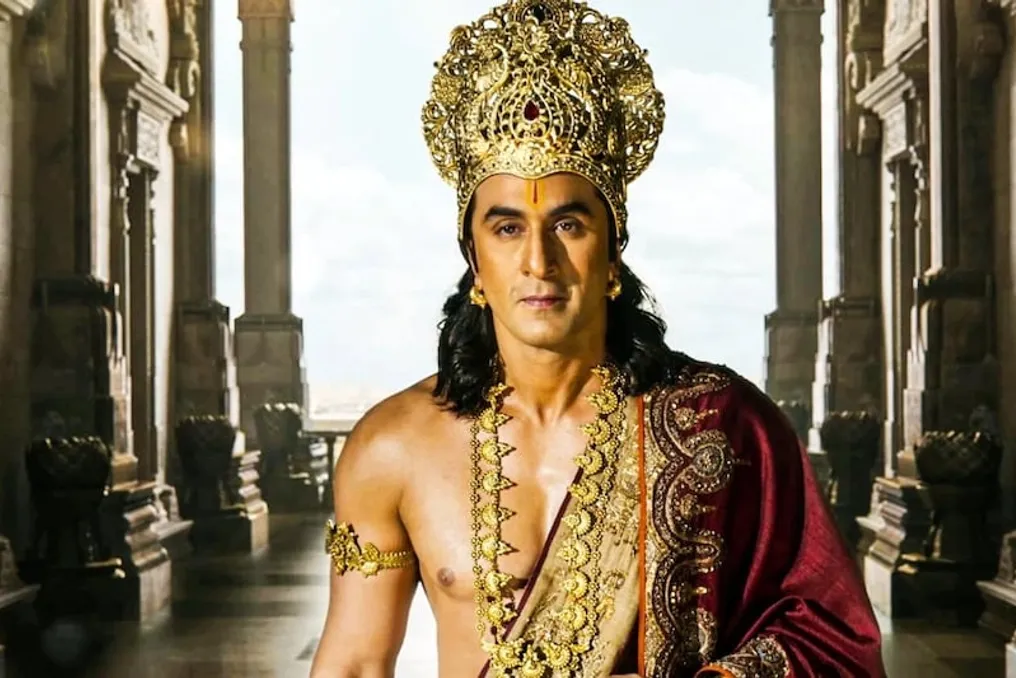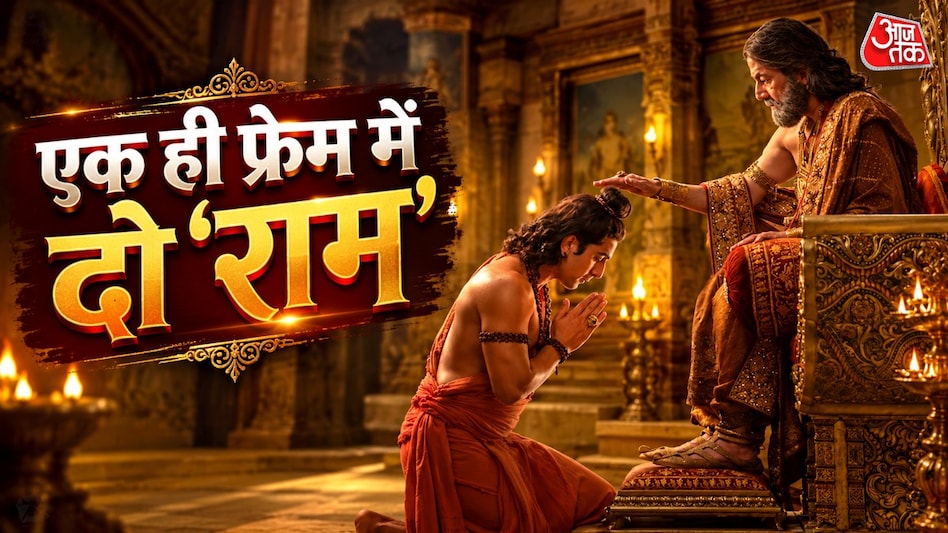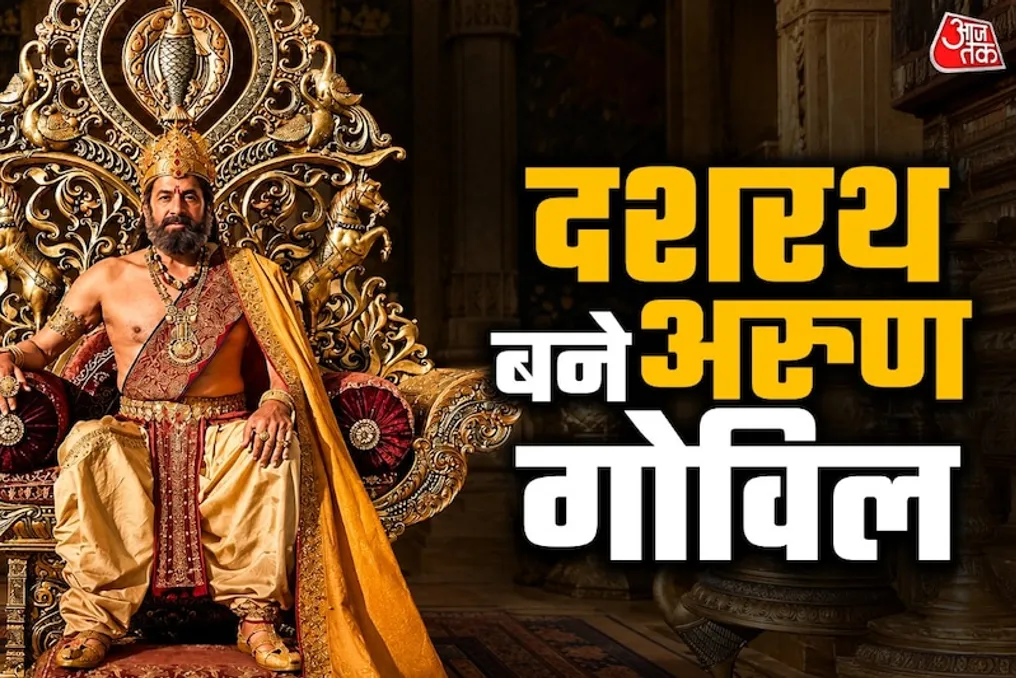
During the sacred festival of Navratri, the Ramlila performances continue across the country. In addition to traditional presentations, audiences are captivated by theatrical productions and dance dramas based on the story of Rama. These performances differ from classical Ramlilas due to their greater classical orientation.
One such large-scale production is taking place in the Pitampura area of the capital, presenting Rama in an entirely new, grand format. This 'Broadway Ramlila' is not just a ten-day cycle of narratives, but an extended dramatic production that uses the life and story of Shri Rama as its foundation. It explores the main aspects of the Ramakhyana, analyzing not only the victory of good over evil through Ravana's defeat but also investigating the characters and personal qualities of the main heroes of the Ramayana based on their circumstances and situations.
In this regard, the theme for this 'Broadway Ramlila' in 2026 has been chosen as 'The Study of Characters.' Within this concept, special attention is paid to the personality of the main characters of the Ramayana, their feelings, and the significant changes occurring in their lives.
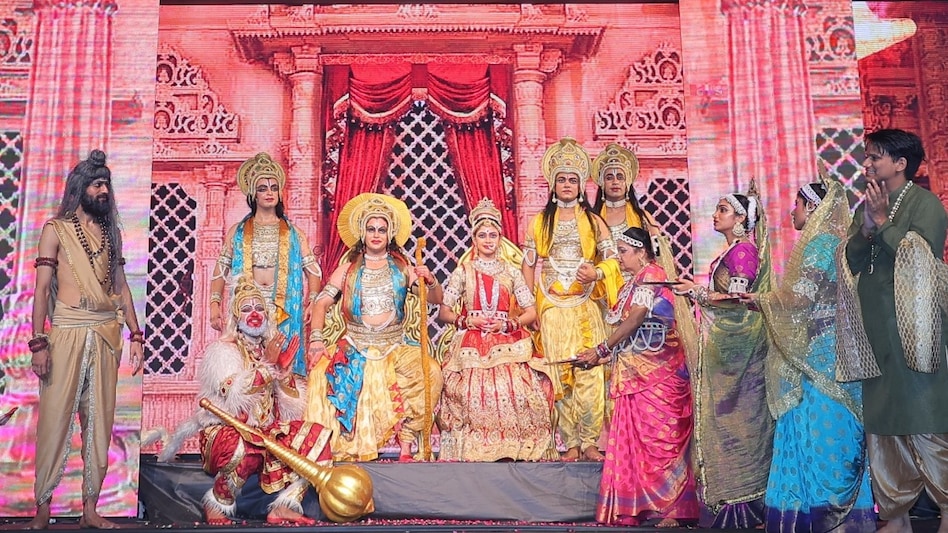
This production, organized by the Aryan Heritage Foundation in Pitampura, began on October 14th and will conclude on October 19th. It features over one hundred actors. The three-hour performance demonstrates the entire story of Lord Rama using modern technology, music, dance, and visual effects, creating a unique level of spectacle.
Shashidran Nair served as the director, who is an experienced choreographer, dance director, and Kathakali artist in Indian theatre. He is known for specializing in staging mythological stories in the form of dance drama. The production pays special attention to the emotional state of the characters, from Kaikeyi to Dasharatha. The story of Lord Rama's exile is presented not only as a religious episode but also through the experiences of the associated heroes: Kaikeyi's transformation from a loving wife to one demanding Rama's exile, the turmoil of Maharaja Dasharatha as a father, and Lord Rama's acceptance of the exile, leaving the kingdom.
Although people are familiar with the story of the Ramayana, this time an effort was made so that the audience could understand not only the plot itself but also the circumstances behind the characters' decisions and experiences.
Key features of the 'Broadway Ramlila' include its luxurious set design and the application of advanced technologies. Large sets, 3D visual design, special lighting, dance, music, and visual effects are used to bring scenes from Ayodhya, the forest, and Lanka to life. Special attention is paid to the actors' costumes and stage decoration. The goal of the production is to provide the audience with an experience comparable to watching a movie, right in the live theater hall.
Saurbh Raj Jain also participates in the production, whose voices narrate the story of Rama; he is known for his role as Krishna in the Mahabharata series. He plays the role of the grandfather telling the story of Rama to his grandson Lava and Kusha, thereby recreating the tradition of passing down stories from generation to generation.
Twenty original musical compositions were prepared for this performance, created by Chandra Kamal and Bharat Kamal. They feature the voices of renowned singers, including Udit Narayan and Kailash Kher. The main episodes of the Ramayana are conveyed through a combination of music, dance, and acting.
According to the Chairman of the Foundation, Rajendra Mittal, 'Broadway Ramlila' has played an important role in popularizing the idea of presenting the entire story of the Ramayana in one evening. He noted that fitting such an extensive narrative into three hours is a huge task. The main goal is to convey the message of the Ramayana to the widest possible audience. At the same time, adherence to the original text written by Maharishi Valmiki is maintained. After starting in 2015, the 'Broadway Ramlila' format has continuously expanded, and in 2020, its performances became available in cinemas.