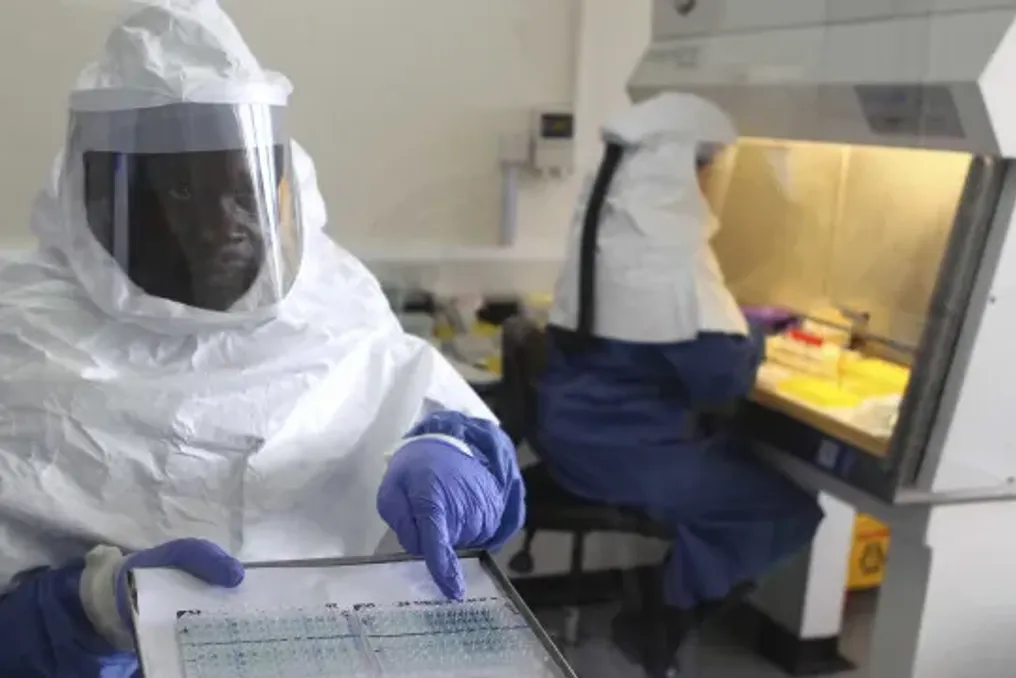
The Kenyan Ministry of Health announced the registration of a third Ebola case in the country, which is a close relative of the first two registered cases.
Until last week, the country had not recorded any cases of this infectious virus until a Kenyan man died after returning to Kenya from the Democratic Republic of Congo (DRC).
About a week after the first case, a second man, a relative of the first, also tested positive for the virus while in quarantine.
The DRC declared its seventeenth Ebola outbreak in May. This deadly disease has claimed over 15,000 lives in Africa over the past fifty years.
The Ministry stated in a declaration that a 65-year-old woman was the 'primary contact and close relative of the first and second cases' and had been in isolation since October 6.
After showing symptoms, including 'fever, sore throat, and malaise,' she was isolated and tested positive for the virus.
The Ministry emphasized that the risk to the population 'remains low,' and there was no 'evidence of community transmission.'
It was established that out of 130 contacts, 127 were found and are in quarantine, and efforts to find and isolate the remaining three contacts are ongoing.
On Wednesday, the ministry confirmed the second case—a 39-year-old relative of the first victim—noting that he is in isolation and there is 'no evidence' of large-scale virus transmission.
Previously, the country had never registered such cases.
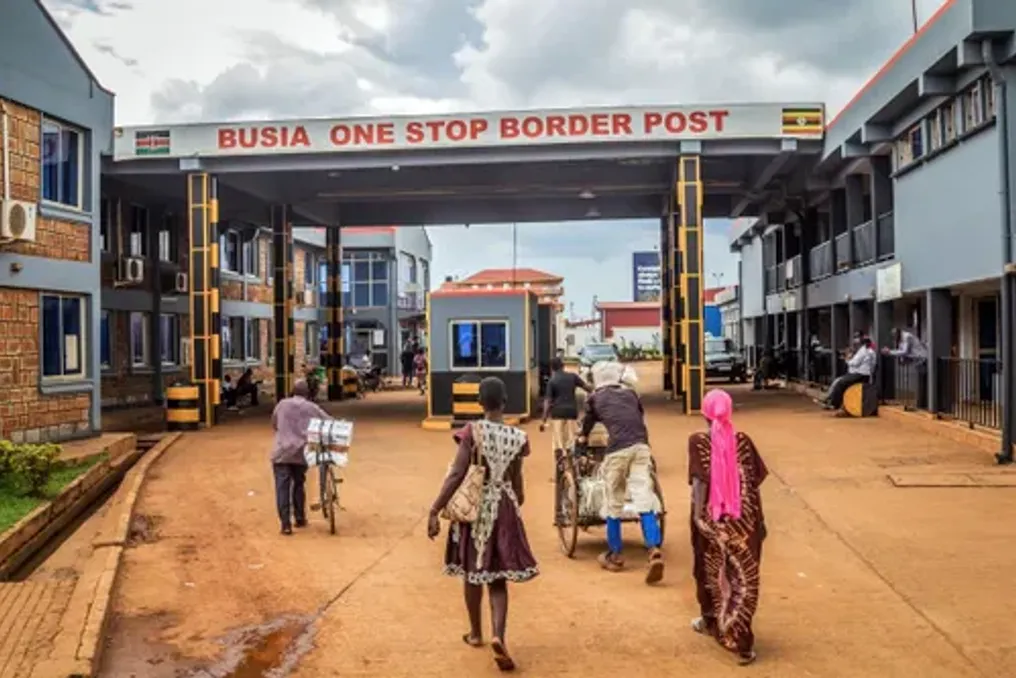
Neighboring Uganda recorded 20 infections, almost all of whom arrived from neighboring DRC, and two deaths before being declared Ebola-free in August. The first victim in Kenya was a citizen whose name was not disclosed but described as a 40-year-old businessman.
He felt unwell about a month ago, received treatment in the DRC, and then traveled overland to the Ugandan capital, Kampala, before flying into Nairobi on October 3. He was hospitalized in Nairobi but died on October 5, according to Health Minister Aden Duale.
According to Congolese health authorities, the outbreak has currently infected 9,066 people and caused 4,381 deaths since the emergence of the Bundibugyo Ebola strain in the DRC, for which there is currently no vaccine or specific treatment.