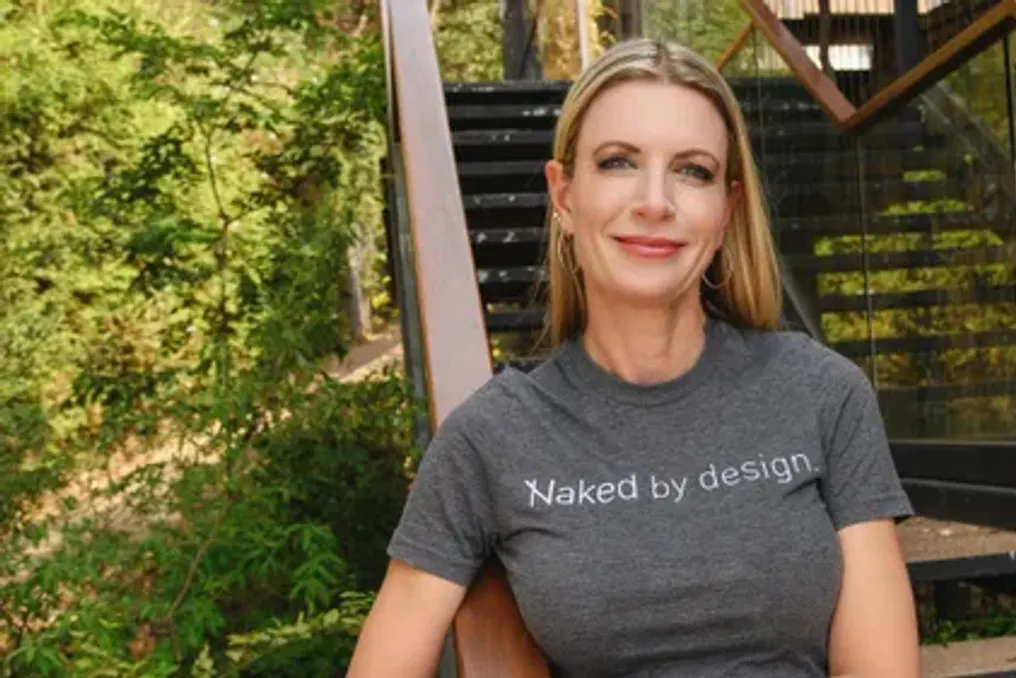
Sumarie Greybe, co-founder of the insurtech company Naked, finds solace in fantasy novels that allow her to completely detach from the hustle and bustle of business. She is a fan of Robin Hobb's Liveship Traders series, which serves as a pleasant break from management and company development tasks.
Greybe notes that fiction provides her with a different kind of space, allowing her to immerse herself in a story without worrying about what she will need to apply at work the next morning. She believes that the value of a good book lies in its ability to transport one's thoughts to another place.
This contrasts with her last eight years dedicated to studying the fundamentals of running a business. As an educational actuary, she deeply studied marketing, startups, and other areas outside her core professional competence after leaving her partner position at EY to help create Naked.
First love was mathematics
However, her initial passion was mathematics, and in her youth, she considered following her father, a mathematics professor, into academia. She visited his office and lecture hall at Pretoria University from an early age, and she genuinely loved mathematics.
The only issue was her father's opinion, who believed she lacked the patience for teaching. When asked what she was bad at, Greybe replied that her father noticed her biggest weakness even before she did. As a mathematics professor, he advised that her temperament was better suited for business when she expressed a desire to study mathematics and possibly become a teacher.
This impatience turned out to be both an advantage and a challenge. She admits that she likes to jump into things quickly, which is useful when building something from scratch, but it can also mean wanting to move faster than others are ready or comfortable with.
Pause, touch, engagement
This realization became particularly important as Naked grew. Greybe worries about bureaucracy creeping into expanding enterprises when approval levels make employees feel the need to seek permission to perform their duties.
She says: "When you have several people in one room, everyone knows what is happening. As the company grows, you need a clearer structure, but I am very aware of how easily it can turn into layers of approval and the feeling that people need permission to do their jobs."
For her, the task is to provide enough guidance without depriving people of the freedom to make decisions. It is also a lesson in letting go of one's own opinions. "I have strong opinions! But I want people to be able to change my mind. Otherwise, I ask for feedback without giving it a real chance to influence the decision."
Leap of faith
Her willingness to reconsider her opinion extends to the board she decided to ignore while contemplating leaving EY. A friend questioned her sanity when she announced plans to abandon a stable corporate career to start an insurance business.
Greybe understood the concerns, as she had a stable position, a family to consider, and no guarantees of success for the new venture. However, she was knowledgeable about insurance and believed there was a way to change things that disappointed customers. She stated that she reached a point where she wanted to feel that her work made a significant difference.
Before committing to this step, Greybe thought about what failure could mean for her family and what sacrifices they would be willing to make. Naked's co-founder Alex also insisted that she read Ben Horowitz's book 'The Hard Thing About Hard Things', believing her optimism needed a healthy dose of realism. He noted: "The lesson was that trusting your judgment includes having an honest view of what might go wrong—and deciding whether the opportunity is worth trying for."
Bread and roses
Away from insurance and business books, Greybe enjoys baking and tending to her vegetable garden and roses. She has also emphasized involving her daughters in her work life. When Naked was being developed more than eight years ago, the girls, then in primary school, became some of the company's first app testers. She explained: "If the children couldn't understand what we developed, we needed to make it simpler."
This also served as a way to show them what Greybe does instead of having her work take her away from home. She is equally candid about the compromises involved in balancing ambition and family. Greybe rejects the popular notion that people can have everything simultaneously if they are just organized enough. She stressed that there were periods when her career took priority, and periods when her children needed her more.
Stop, start, continue
Greybe's approach to leadership reflects a similar pragmatism. She believes that capable people should have the freedom to exercise their judgment, even if their decisions differ from what she might have made herself. Greybe also asks colleagues what she should stop doing, what she should start doing, and what she should continue doing. The answers are not always comfortable.
But for someone who recognizes that patience does not come naturally, the ability to listen can become one of the most important skills she has acquired. She concludes: "There is also the simple question of reliability: do what you say you will do, and admit when you are wrong. Without that, it is hard to gain trust."