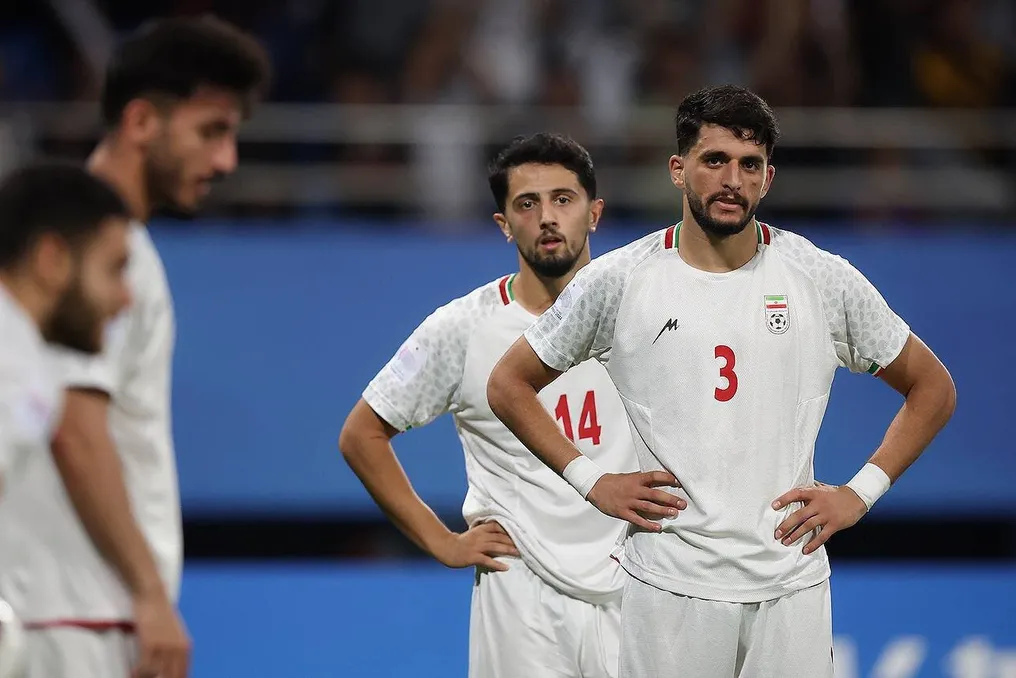
The Iranian U23 football team is facing an uncertain path forward as they approach a critical developmental phase without a designated head coach, a stable management framework, or a clear plan leading up to the Los Angeles 2028 Olympic Games.
Almost three weeks after their disappointing exit from the 2026 Asian Games held in Nagoya, the selection process for a replacement for Hossein Abdi has not reached a conclusion, with Yahya Golmohammadi currently being considered the primary contender.
This state of ambiguity is becoming increasingly noticeable. Iran traveled to Japan with hopes of achieving progress but was eliminated during the group stage following a 4-1 loss to North Korea in their final match.
Abdi stepped down after returning from Japan, prompting the Football Federation of Iran (FFIRI) to restart its search for a coach. Initially, Afshin Ghotbi was mentioned as a possibility, alongside discussions involving various domestic and international candidates. However, those options did not result in an appointment, leading to Golmohammadi moving to the forefront of the list.
Mehdi Taj, the president of FFIRI, confirmed that discussions have occurred with Golmohammadi, noting that the former Persepolis coach seems to be the most viable option. Nevertheless, Golmohammadi is presently managing the Iraqi club Duhok, and reports indicate that the club's administration has opposed his potential departure. Consequently, Iranian authorities must secure the club's consent before transforming initial conversations into a definitive agreement.
The situation has also brought into question the federation's internal decision-making structure. Given that the youth committee and the national teams department hold specific duties under the federation's statutes, the precise level of their involvement in choosing the team's coach remains unclear.
Following the elimination in Nagoya, the federation issued a statement apologizing to supporters and pledging to conduct a comprehensive review, provide an honest evaluation, and take decisive action. Despite this commitment, the disparity between that promise and the ongoing uncertainty regarding the team's leadership is still apparent.
Meanwhile, Abdi disputed the federation's account of the team's preparation. He asserted that the squad went 47 days without a training camp or access to players between early August and September 17, which contradicts assertions that sufficient resources and preparation were provided.
For Iran's Olympic bid to succeed, consistent player availability, collaboration with clubs, a structured schedule of training camps and international friendly matches, and well-defined performance goals are essential. While appointing an experienced coach might be a necessary initial step, it cannot replace the need for a long-term strategic plan.
With qualification for Los Angeles 2028 as the ultimate goal, the Iranian U23 team remains in a state of limbo. Although the federation has acknowledged the failure in Nagoya and committed to corrective measures, the journey to the Olympics stays uncertain until a coach is named and a reliable program is established, risking a repetition of late decisions and unfulfilled expectations.