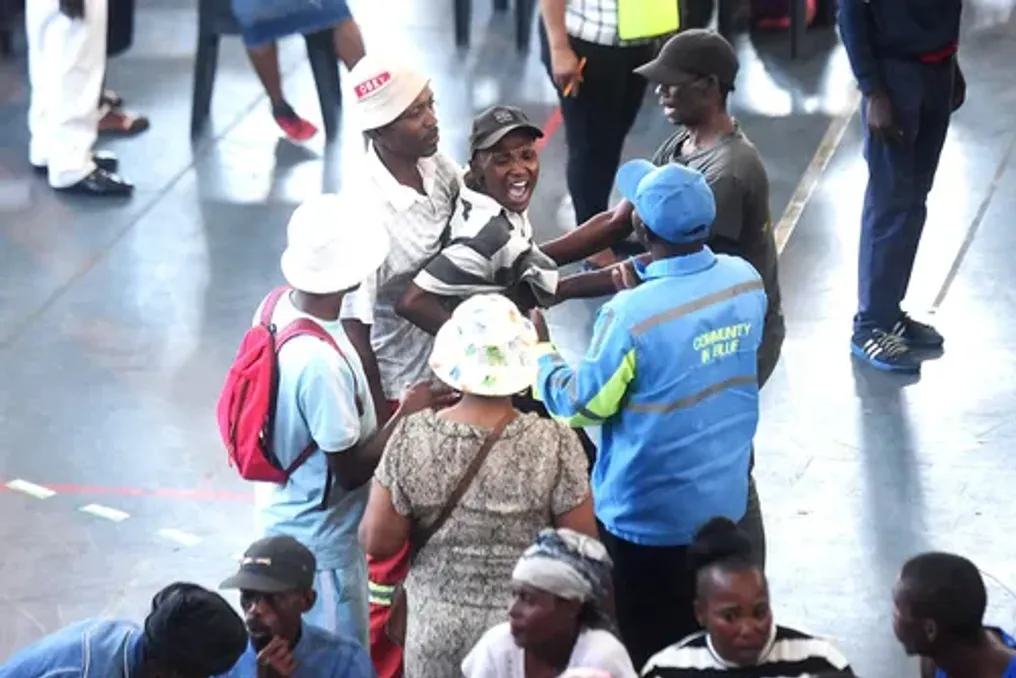
In the city of Sibaswa, Mpumalanga province, more than 200 individuals suffering from substance abuse were discovered this week. This incident has drawn attention to the growing number of unregistered rehabilitation centers within South African communities.
On Thursday, the Mpumalanga Department of Social Development confirmed this grim discovery after receiving information. Among those found were even young children as young as nine years old, held in inhumane conditions at the facility. This dark finding resulted from an operation initiated by an anonymous tip and highlights the alarming trend of unregulated drug treatment centers emerging across South Africa.
A representative from the provincial SAPS, Brigadier General Donald Mdluli, described the situation as a 'serious violation of human dignity.' The victims included about 30 women and people from impoverished areas such as Soweto, Springs, and Rustenburg, demonstrating a desperate search for help amid the escalating substance abuse epidemic.
It is reported that the facility was operating inside a local church. During initial questioning, the alleged organizers—a pastor and his spouse—claimed they were merely providing a place for prayer for about 60 people. However, officials reported a significantly higher number—around 200 people—creating a sharp contradiction and raising concerns about the legality of the center and the fate of its occupants. Additional information indicates that the owners were pocketing over R200,000 monthly in fees.
Dr. Tebogo Matoane-Nkabinde, Director of the Nkangala District Social Development, described a heartbreaking scene. She noted: 'The rooms were so dark that officials had to use their mobile phones for light. The wards at the police station are cleaner and better than what we saw there.'
The government's intervention comes against a backdrop of tragic deaths related to substance abuse, further intensifying concerns about unregistered facilities. Earlier this year, the KwaZulu-Natal Department of Social Development reported that the Discipline Boot Camp SA rehabilitation center in Richmond lacked official registration and was linked to the death of several patients due to alleged torture and neglect.
Shafiq Davis, Operations Director of SBC Drug Rehab Centres, condemned the current state of rehabilitation in South Africa. He stated that the reduction in funding for legitimate, registered treatment centers has created a significant gap in available services. Davis also noted that unregistered facilities often attract desperate families lacking necessary accreditation or qualified specialists, leaving them vulnerable to exploitation. He called for deeper investigations into the abuses occurring in these unofficial locations.
He emphasized: 'Substance use disorders require professional, evidence-based intervention... not punishment, humiliation, forced confinement, or violence.'
Modise Moatlodi, another substance abuse activist, believes the government should declare substance abuse a national health crisis and use the same resources allocated to the recent anti-immigration protest to address this issue. He stated: 'Drug addiction is truly a scourge, and I am surprised why it hasn't been declared a national epidemic... R600 million spent on protecting illegal foreigners could greatly help drive away this dark cloud over our nation.'
Davis believes that where desperation and limited access to treatment exist, a market forms, and some people can exploit this desperation for profit. He added that the danger to parents and substance abuse victims is extremely high. Davis concluded: 'We cannot fight substance use disorders simply by closing illegal facilities while registered treatment centers continue to struggle for survival... We must bridge the gap between the need for treatment and the availability of safe, professional, scientifically sound services.'