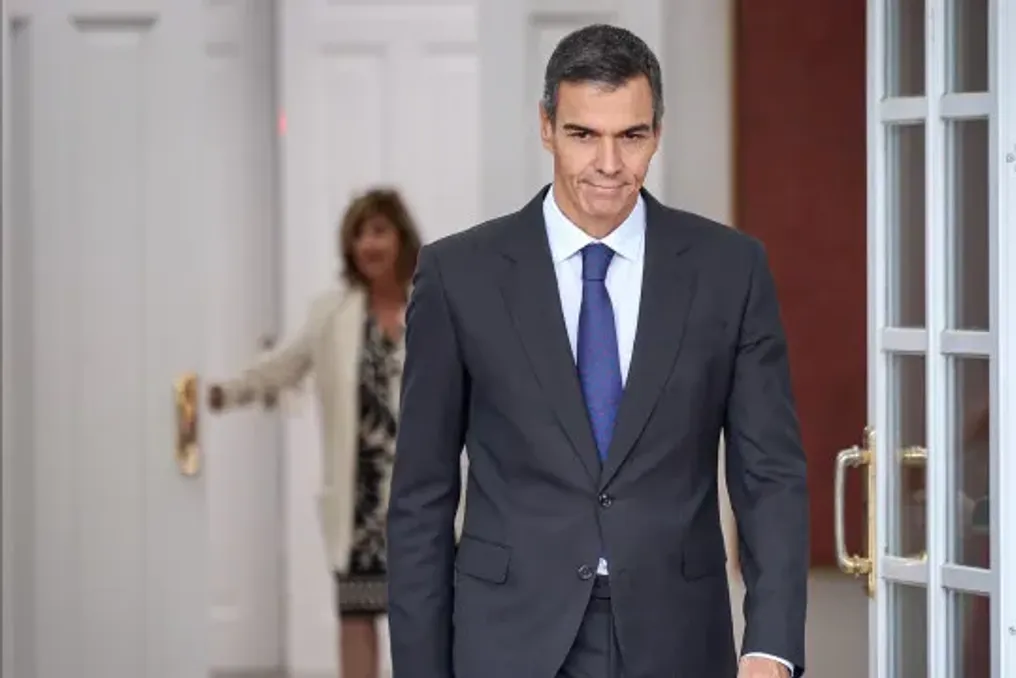
The Spanish Prime Minister, Pedro Sánchez, stated that available data demonstrates that Spain implements a 'responsible policy' regarding immigration, in response to criticisms raised by leaders of other European nations.
During a press conference held in Brussels following the European Council meeting, Sánchez asserted that there is a difference between rhetoric and reality. He emphasized that the data shows Spain has a highly responsible approach both in combating illegal immigration and managing regular immigration flows, while also maintaining cooperation with countries of origin and transit.
As a concrete example, Sánchez cited a 72% reduction in irregular entries of migrants from the African Atlantic coast to the Canary Islands this year, contrasting this figure with the European average, which stands at around 30%. Furthermore, he mentioned data related to repatriations and airport inspections, which attest to Spain's good performance in European migration policies and in the application of the European Pact on Migration and Asylum, established during Spain's last presidency of the European Union (EU).
The government leader defended that the European pact is producing results and that the EU needs to continue working on its development. Sánchez also acknowledged possible differences of opinion on certain policies, citing, for instance, the criticism from the Danish Prime Minister, Mette Frederiksen, regarding the extraordinary regularization process for immigrants conducted by the Spanish government this year. However, he argued that other European countries are adopting similar practices, such as granting work visas to foreigners.
Regarding immigration, a topic on the European Council's agenda, Sánchez took the opportunity to congratulate the other member states and the European Commission for the solidarity shown concerning the events in Ceuta at the end of July. He also praised the commitment of European institutions in resolving the crisis generated in that city, which, along with Melilla, constitutes the only land border in Europe on the African continent.
Additionally, Sánchez confirmed reaching an agreement with the Italian Prime Minister, Giorgia Meloni, to collaborate on finding a solution to eliminate passenger controls carried out by Spain and Italy at their respective airports. Meloni and 18 other EU leaders committed that day to maintaining a high level of vigilance at the external borders of the community bloc following the migration crisis in Ceuta, which involved the entry of over 70,000 people into this Spanish city from North Africa at the end of July.
This initiative is part of a collaboration effort among Member States advocating for the strengthening of European migration control mechanisms and seeking innovative solutions for managing these flows. On the sidelines of the second day of the European Council, held in Brussels, Giorgia Meloni had an informal meeting with the Prime Ministers of Denmark and the Netherlands, Mette Frederiksen and Rob Jetten, respectively, with the presence of the European Commission. Other countries present included Austria, Belgium, Bulgaria, Cyprus, Croatia, Finland, Germany, Greece, Latvia, Lithuania, Malta, Poland, Slovakia, Slovenia, and Sweden; Spain did not participate in this meeting.