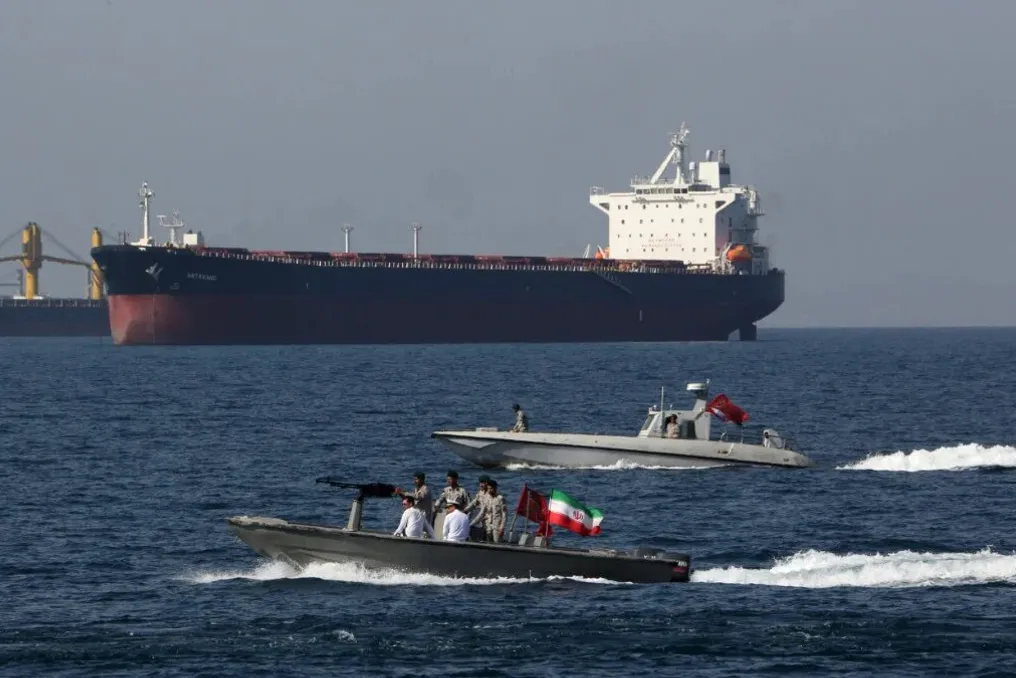
It is reported that the United States is considering lifting sanctions on tankers belonging to the so-called 'shadow fleet,' which is linked to Russia and Iran. This measure aims to address the sharp rise in diesel fuel prices ahead of midterm elections.
U.S. Secretary of State for Energy Chris Wright stated during a video address at an energy forum in Riyadh this week that the Trump administration is discussing easing sanctions against 'shadow fleet' vessels. The goal is to eliminate record freight rates that have increased the cost of transporting American energy abroad, according to the research group Energy Aspects.
The newspaper publisher Financial Times reported on Thursday that the US may permit sales to non-sanctioned operators outside the banned list, as well as lift corresponding restrictions, allowing them to operate without any barriers. Reuters also informed that the US might allow 'legal crude oil' to move through previously sanctioned vessels, effectively enabling these ships to transport crude oil or petroleum products not prohibited by the US.
Iran's 'shadow fleet' began to grow actively in 2018 after the US unilaterally withdrew from the nuclear agreement with Iran and world powers, officially known as the Joint Comprehensive Plan of Action. The US imposed severe sanctions on Iran and focused on its oil industry.
According to Energy Aspects, about fifteen percent of the global tanker fleet is under US sanctions. The Trump administration's steps are being taken against the backdrop of rising tanker rates, which increases fuel costs and makes it economically unviable for the US to sell its own energy to China and Europe. The price of diesel fuel in the US has risen by almost 16 percent over the last month.
Gibson Shipbrokers reported at the beginning of this month that the cost of shipping a tanker from the US to China exceeded the cost of launching a rocket into space. A SpaceX Falcon 9 rocket launch costs $74 million, whereas transporting a Very Large Crude Carrier from the US Gulf Coast to the Far East costs $80 million.
The rise in tanker rates occurred due to the war between the US and Israel against Iran. This conflict caused a significant supply and demand imbalance. Persian Gulf states are exporting more oil and petroleum products than before the war, but they are forced to use shuttle services to move products from the Strait of Hormuz to other vessels to avoid attacks from Iran.
Furthermore, tankers had to take longer routes around the Cape of Good Hope to avoid Houthi attacks in the Red Sea. The Trump administration intensified sanctions against Iran during the war as the ceasefire weakened and fighting for control of the Strait of Hormuz continued. Only this week, Washington imposed economic penalties on 16 individuals and 10 organizations in Iran.
However, sanctions on Iranian oil sales were introduced amid rising prices, and Washington is trying to cope with this surge. Trump's solution was to lift sanctions against Russia. Last week, the US lifted sanctions on Russian diesel fuel, which provoked a diplomatic crisis with Ukraine.
