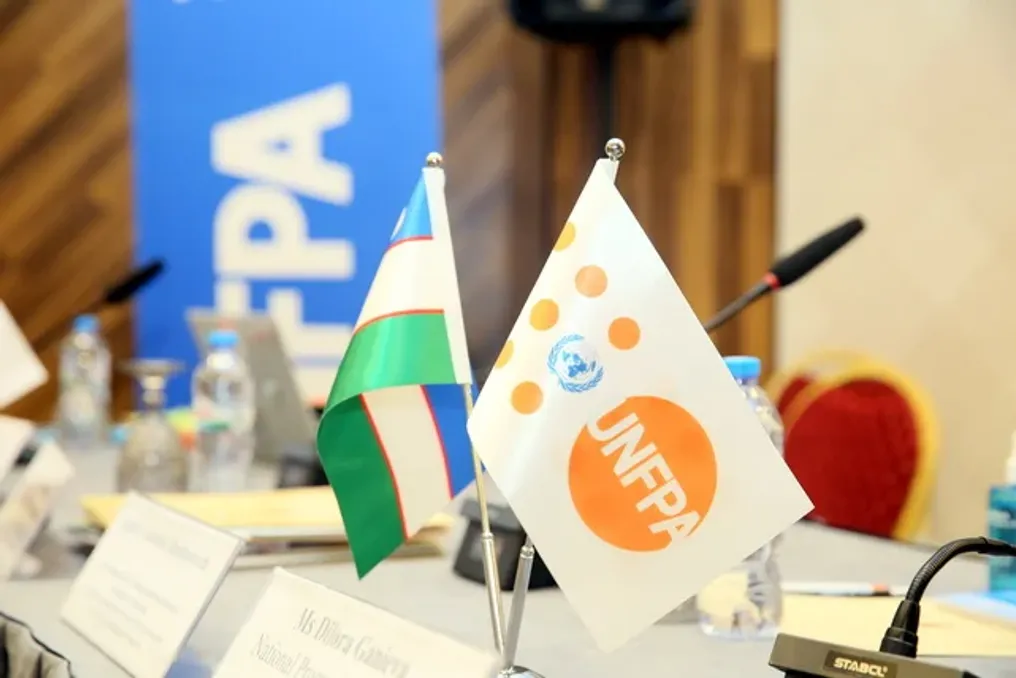
In Tashkent, Uzbekistan, the United Nations Population Fund (UNFPA), in collaboration with the International Islamic Academy of Uzbekistan and with support from the Committee on Religious Affairs and the Committee on Family and Women, organized a practical seminar for religious figures.
The seminar's topics covered gender equality, reproductive health, family well-being, and preventing gender-based violence. This initiative is funded by the European Union as part of the Joint Programme on Women's Economic Empowerment in Uzbekistan, implemented by UNFPA, UN Women, and UNICEF in cooperation with the government of Uzbekistan.
Seminar Focus
The main focus was on the role of religious leaders in strengthening healthy family relationships, encouraging mutual respect and shared responsibility between spouses, and combating violence and dismantling harmful gender stereotypes.
Imam-Khatibs, Otiniois, and other representatives of religious education regularly interact with local communities and families. Their authority and trust among residents can contribute to the dissemination of reliable information, strengthening family values, and promoting respect for women's rights and dignity.
The seminar aimed to provide participants with scientifically based knowledge, reliable legal information, and practical approaches that take into account the cultural context of Uzbekistan. Furthermore, it sought to support their participation in fostering positive changes in mahallas and families.
Topics Discussed
Participants discussed women's rights in family relations, mutual respect and responsibility of spouses, national and international legal frameworks for gender equality, reproductive health and rights, family planning, as well as the causes, consequences, and methods of preventing gender-based violence.
Special attention was paid to the role of men and young men in promoting equality, sharing family responsibilities, and preventing violence. When considering these issues within the context of Islamic teachings and values, participants emphasized the importance of human dignity, justice, mutual respect, cohesion, and responsibility within the family.
The issue of practical cooperation between the International Islamic Academy of Uzbekistan and UNFPA to strengthen family well-being and stimulate public dialogue in mahallas was also addressed. Participants discussed the significance of solving reproductive health, gender equality, and family relationship issues through open and respectful dialogue that reflects the country's cultural context.
Organizers noted that increasing the knowledge and communication skills of religious leaders can help expand the reach of reliable information among families, youth, and local communities. This can also support responsible parenting, informed decisions about reproductive health, and the promotion of zero tolerance for violence.
Event Schedule
The event in Tashkent was the first of a series of three practical seminars scheduled for October 14, 17, and 20, 2026, in Tashkent, Surkhandarya region, and Fergana region, respectively. The first seminar, held in Tashkent on October 14, gathered 55 participants. Overall, the organizers intend to strengthen the knowledge and practical skills of 120 religious and public leaders on gender equality, reproductive health, family well-being, and preventing gender-based violence.
It is expected that participants will share the knowledge gained during their ongoing interaction with families, youth, and mahalla residents, thereby taking the discussion beyond the seminars themselves.
Gender equality is closely linked to women's opportunities to receive education, acquire professional skills, participate in employment, and achieve economic independence. These opportunities, in turn, depend on health, safety, access to reliable information, and support from family and society.
Against this backdrop, the cooperation between UNFPA and the International Islamic Academy of Uzbekistan aims to address reproductive health and rights, gender equality, violence prevention, and women's economic empowerment as interconnected issues.
This initiative, supported by the European Union, is designed to help overcome social and gender barriers that may limit women's rights, well-being, and participation in economic life. Organizers view engagement with religious leaders as one way to promote respectful family relationships, advance equal opportunities, and support public initiatives aimed at preventing violence.
Future work in this area is expected to contribute to creating a social environment where women can realize their rights, make informed decisions about their health and future, and fully participate in the country's social and economic life.