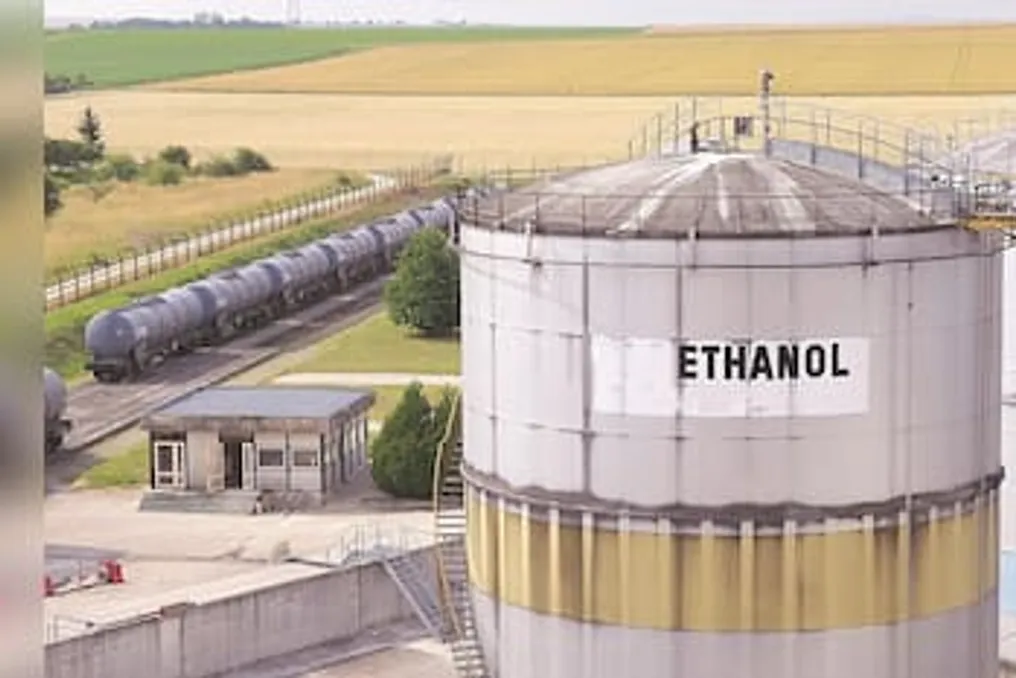
Central Indian authorities have instructed oil marketing companies to exclude ethanol produced from sugar from the 2026-2027 tender, setting the sugar diversion rate at zero. This decision comes amid concerns regarding domestic sugar stocks and record prices.
According to the tender published on Friday, oil marketing companies must exclude ethanol derived from fresh sugarcane juice, sugar syrup, and heavy molasses (B-heavy molasses).
Despite India using surplus sugar for years to meet ethanol blending targets, this exclusion of sugar-based raw materials highlights growing tension between the goal of reducing oil imports and the need to protect domestic sugar supplies, as low rainfall threatens yields and pushes prices to historic highs.
The tender document states: 'The Government of India has issued directives that sugar diversion for ethanol must be reduced to zero for the 2026-27 ethanol supply year.' It also noted: 'No bids were sought in this tender for ethanol produced from fresh sugarcane juice, sugar, or sugar syrup and heavy molasses in such quantities.'
Oil marketing companies invited applications for the supply of 11 billion liters of ethanol for the year starting in November.
The tender allows producers to submit bids for ethanol made from corn, broken rice, and surplus rice procured by the Food Corporation of India, according to a joint document released by the state-owned companies Indian Oil Corp, Bharat Petroleum Corp, and Hindustan Petroleum Corp.
The world's largest sugar consumer is attempting to increase domestic sugar production and stabilize high prices. Earlier this year, the government mandated the E20 standard nationwide to curb environmental pollution and reduce oil imports, although some drivers express concern that such a blend may damage older vehicles.
Under the tender, the incentive for corn ethanol was reduced from 5.79 rupees per liter to 2.79 rupees, and the purchase price was lowered from 71.86 rupees per liter to 68.86 rupees per liter.
In August, Reuters reported that India was considering limiting the volume of sugarcane used for ethanol in the season starting in October to boost sugar production and try to calm record prices after reduced rainfall in Maharashtra and Karnataka raised concerns about the current year's sugar harvest.