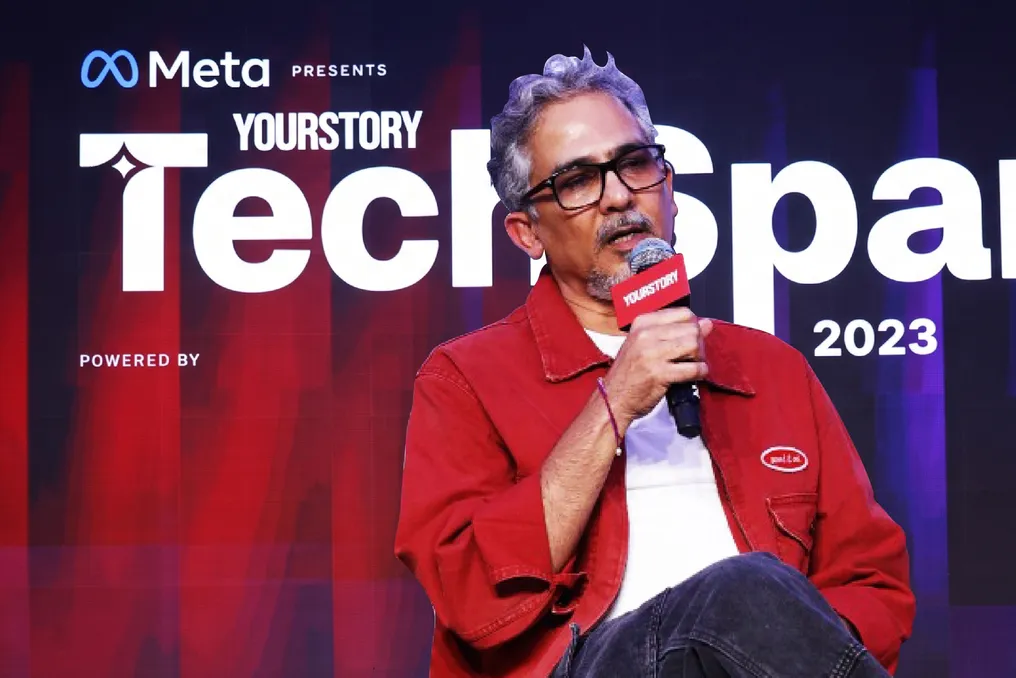
Rohit Kapur, General Manager of Food Marketplace at Swiggy, noted that about 90% of Indians have never used food delivery services. For Swiggy, attracting these consumers to the market represents a more significant opportunity for growth than encouraging more frequent orders from existing customers.
Speaking at YourStory's TechSparks 2026 event in Bengaluru, Kapur emphasized that accessibility will be a key factor in market expansion, alongside changing consumer habits and growing demand among young Indians. When asked where future growth would come from—attracting new customers or increasing order frequency among current users—he replied: 'My vote is for new consumers.'
Kapur suggested that India shows increasing equality in access to digital technologies but maintains inequality in purchasing power. He explained that residents of small towns can access the same digital content as those in megacities, but their disposable income differs significantly. In his view, 'India is fundamentally digitized but financially unequal,' which makes price affordability an important part of Swiggy's growth strategy.
As an example of a company aiming to reach consumers who rarely or never order food online, Kapur pointed to the Toing application, which targets the budget segment. He explained that for new or low-frequency consumers, the process of ordering food online should not be complicated; it should be 'everyday low pricing, intuitive.'
Kapur expressed optimism that Generation Z and Generation Alpha will drive the next wave of consumption, as well as growth in the so-called 'India 1.5'—the expanding urban areas outside established city centers. He added that geographical expansion is no longer a major operational hurdle for Swiggy; the company typically opens 10–20 new cities quarterly, and launching delivery in a new city can take only one day. Nevertheless, entering a new market must be justified by the availability of restaurants and the value Swiggy can offer consumers.
Changes in eating habits are also creating new opportunities. Kapur mentioned the rise in coffee consumption in cities like Amritsar and Ludhiana, increased interest in international cuisine, and growing demand for healthy food. Ordering tea or coffee online, previously considered unusual, has become more common, and late-night food delivery has created additional consumption occasions.
Currently, Swiggy operates 24/7 in over 700 cities. He noted that some households receive over 200 Swiggy deliveries per week, but clarified that these are exceptional cases, not typical ordering patterns. According to Kapur, such behavior demonstrates how deeply convenience services have integrated into daily life, even though most Indians remain outside the food delivery market.
Regarding artificial intelligence, Kapur believes this technology can improve dish search and personalization but is skeptical that AI agents will radically change consumer preferences. He stated: 'I think there is an exaggerated notion about how much AI agents will start directing our lives.' According to Kapur, Swiggy already uses generative AI in search and personalization, with about 200 AI projects underway across the company.
Furthermore, Kapur argued that speed itself has ceased to be a distinguishing advantage in the food delivery sector. The main task now is to consistently provide the speed valued by consumers while simplifying the ordering process.
Kapur also defended the role of food delivery platforms in creating jobs amid concerns about working conditions and earnings in the gig economy. He reported that Swiggy hires about 30,000 couriers every week, and approximately 5.5 to 6 million people work through the platform daily. In his opinion, gig work serves various groups, including students seeking extra income, workers newly moved to cities, and people needing temporary work between jobs. He concluded: 'We are a shock absorber in the informal economy,' pointing to the flexibility offered by delivery platforms to people seeking alternative sources of income, and added that Swiggy must continuously improve the courier experience for retention.