President Daniel Noboa stated on Wednesday that Ecuador plans to reinforce its electrical system to ensure uninterrupted service during the critical months of the El Niño weather phenomenon. This phenomenon is forecast from late November to February.
Noboa informed Radio Centro in the central city of Ambato that the country is facing very harsh weather conditions, especially along the coast, although highland areas have also been affected.
According to the president, adverse weather conditions have led to an increase in power outages: the number of incidents has risen from approximately twenty per day in a normal year to 60–70 currently.
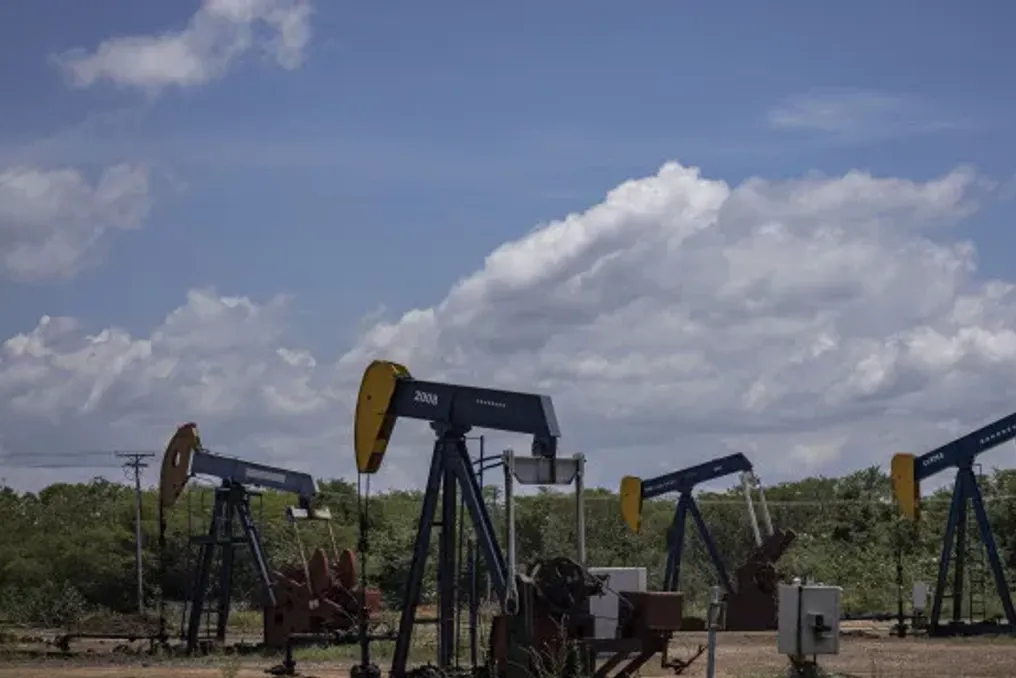
The government has taken measures to strengthen system capacities by granting permits and providing support to the private sector, which has allowed for the addition of over 400 megawatts of generating capacity.
This announcement comes against the backdrop of the dry season in Ecuador, characterized by insufficient rainfall in the southern part of the country where reservoirs feeding the Pauta Hydroelectric Complex of the National Interconnected System are located.
This complex is the country's largest hydroelectric system and supplies about 35% of the total electricity demand in the country. Currently, large Ecuadorian enterprises are forced to face power outages of up to 72 hours per week due to the dry season, which is a measure aimed at reducing consumption and lessening the load on the national electrical grid.
In 2024, the country experienced an unprecedented energy crisis, with power outages lasting up to 14 hours daily and affecting households, businesses, and industry. Previously, Ecuador was subjected to extreme weather conditions due to El Niño during the periods of 1982–1983 and 1997–1998, including heavy rains and floods, particularly in the coastal region.