Starlink must comply with regulations and build local infrastructure before launching services in India
Read more
The times of India
timesofindia.indiatimes.com

Starlink must comply with regulations and build local infrastructure before launching services in India

According to a high-ranking government official, the company Starlink has not yet received permission to launch its services in India. The reason is that the company has not agreed to comply with regulatory requirements obligating satellite internet providers to establish internal infrastructure.

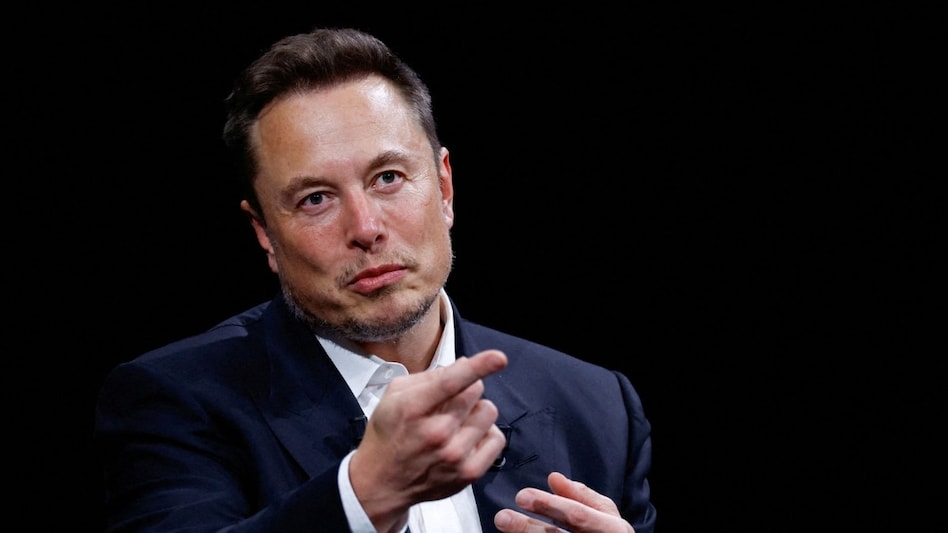
This message was addressed to tech magnate Elon Musk, emphasizing that conducting business in India requires adherence to local legislation.

Sources indicate that the government does not object to the satellite internet provider starting its services once security issues are resolved and the company agrees to install local base stations. A base station is a radio transmitter and receiver that functions as a local node or 'first hop,' connecting end-user devices to the wireless network. The requirement to install such 'base stations' will help authorities ensure compliance with the law.

Similar stories

Sunil Bharti Mittal claims OneWeb is ahead of Starlink in the queue for Indian permits
Read more
business-standard.com

Sunil Bharti Mittal claims OneWeb is ahead of Starlink in the queue for Indian permits

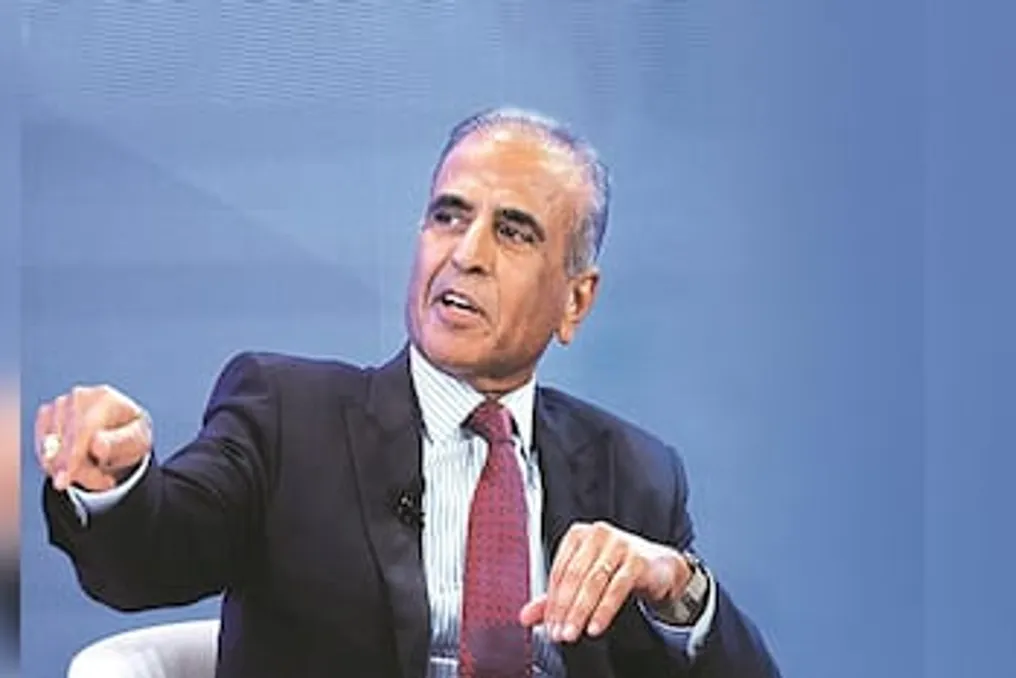
Sunil Bharti Mittal, Chairman of the Board of Directors of Bharti Enterprises, stated that OneWeb is ahead of Starlink in the queue for necessary permits. He emphasized that OneWeb applied five years ago and has had its ground network ready for three years.

During a panel discussion at the Bloomberg New Economy Forum 2026, Mittal noted that OneWeb is awaiting approval and believes they are significantly ahead of Starlink in the queue because their application was submitted five years ago. He added that OneWeb satellites have been over India for the last five years, and the ground networks have been ready for three years, and they would be happy to receive permission even a few days earlier.

These statements came after Elon Musk publicly accused some Indian companies of obstructing Starlink's entry into the Indian market. Musk, founder of SpaceX, posted messages on the social media platform X over the past week, claiming that the Reliance Industries group and the IPO-awaiting company Reliance Jio are blocking Starlink's access to India.

Musk also questioned the delays in issuing permits despite Starlink having operated in India for several years. Lauren Dreier, Vice President of Operations for Starlink at SpaceX, reported on October 7 that the satellite broadband service provider has built its infrastructure in India, including 20 gateways with hundreds of antennas, over the past five years. She also confirmed that the company has complied with security and regulatory requirements in India and is ready to begin providing services.

The Indian government responded to Musk's accusations. The Ministry of Communications stated that no preferential permits are being granted to any single satellite communication operator, and the process is fair and non-discriminatory. The Ministry noted that all three parties are currently at approximately the same regulatory stage, and the claim of unfairness or discrimination in the system is unfounded.

Musk continued to criticize the Reliance group over the weekend, calling it a 'de facto monopoly in India.' He also insisted that Starlink services should be available to more people in India and argued that competition would benefit consumers, even if it led to reduced profits for Reliance Jio.

Questions about Elon Musk's silence regarding the Starlink ban in China after licensing issues in India
Read more
www.aajtak.in

Questions about Elon Musk's silence regarding the Starlink ban in China after licensing issues in India

The issue of Starlink licensing continues in India. Elon Musk, head of the satellite company Starlink, expressed his dissatisfaction with the lack of approval in India and made several serious accusations.

This raised the question of why Musk is not expressing similar dissatisfaction in China, where Starlink is also banned. This question was posed on the platform X by Rajiv Malhotra, a researcher and author of Indian origin.

Musk, one of the world's wealthiest individuals, has invested significant funds in Tesla's business in China, yet the Starlink service has not yet received permission there.

In his post on X, Rajiv Malhotra asked: 'Elon, why hasn't Starlink received permission in China? Could some Chinese industrialist (oligarch) be behind this? You have invested heavily in Tesla in China, but the Starlink service is blocked there.'

Earlier, on Wednesday, a post circulated on social media claiming that Musk accused 'oligarchs' (influential industrialists) of obstructing the launch of the Starlink service in India, although he did not name names.

Following this, Musk criticized Mukesh Ambani, Chairman of Reliance Industries, questioning his status as India's 'chief boss'. After Musk's post was published, Congress politician Rahul Gandhi also posted a comment on the X platform.

Malhotra explained that the Starlink problem goes beyond technology and service quality; it is also related to national sovereignty. He noted that there are many reasons for this delay.

The Indian government also responded to Musk's statements. It stated that rules in India are the same for everyone and do not allow discrimination. It was clarified that licenses for satellite communication have been issued to three companies, and all must undergo a security vetting process while awaiting final approval.

The government mentioned the three companies granted licenses: Elon Musk's Starlink, Reliance Jio satellite communication, and Eutelsat OneWeb, supported by the Bharti group.

Elon Musk again criticizes Ambani, accusing him of blocking Starlink in India
Read more
www.aajtak.in

Elon Musk again criticizes Ambani, accusing him of blocking Starlink in India

Global billionaire Elon Musk expressed dissatisfaction with Starlink not receiving approval in India and placed the blame on Indian industrialist Mukesh Ambani, leveling serious accusations. As part of this campaign, Musk posted on social media for the second consecutive Friday evening, addressing Ambani as prime minister and mocking him.

Musk stated that Ambani is obstructing the implementation of Starlink in India to maintain his monopolistic position. In his post on the social network X, he wrote: 'Dear Prime Minister Ambani, please accept my humble apologies for not realizing that you are the real boss of India. Obviously, you want to continue exploiting the people of India through your monopoly, but would you consider giving Starlink a chance to compete?'

In his message, Musk referred to rural and remote areas of India, asserting that there are many places lacking internet access. He noted that this problem is observed not only in India but also in other countries. Lack of internet deprives children of the opportunity to learn, and small entrepreneurs of the chance to sell their goods on global markets. According to Musk, Starlink can improve the lives of these people.

Previously, Elon Musk had also questioned whether Ambani were the true bosses of India. This comment was made in response to a post by Dr. Anirudh, which raised the question of whether the government protects a system beneficial to business groups while ignoring the interests of Indian citizens.

To this question, Musk replied that Starlink has received licenses in 165 countries. He questioned why Starlink is not receiving a license in India despite complying with all necessary rules and conditions for five years. It is in this context that he asked if Ambani are the true bosses of India.

Starlink satellite internet service from Elon Musk's company SpaceX provides internet access in various regions of the world. Its technology potentially can provide connectivity in areas where traditional broadband or mobile networks are limited. Discussions about Starlink entering India have been ongoing because Musk believes his service can eliminate the internet deficit in remote areas.

However, launching any satellite internet service in India requires fulfilling all required government permissions and regulatory conditions. During the dispute over Starlink, Communications Minister Jayantrajit Sindhia stated that India does not allow monopolies in any sector. This statement was made against the backdrop of Musk's accusations.

The government emphasizes that the licensing process will proceed transparently after completing all necessary checks related to security standards and data protection. According to information, the Ministry of Home Affairs and defense agencies require that all data of Indian users be processed and stored exclusively within India. Due to Starlink's inter-satellite laser links, Indian agencies conduct strict security analysis regarding legal oversight. According to state standards, Starlink must install 20 local gateway stations in India for monitoring or blocking traffic in case of an emergency.
Popular