A train journey always possesses a romantic charm, allowing passengers to observe the changing landscape from the window during transit. Onboard the Seven Stars train in Kyushu, this experience becomes the journey itself.
Launched in 2013, Seven Stars became Japan's first luxury sleeper train. It transports passengers across Kyushu, Japan's southernmost main island, offering an opportunity to explore its volcanic landscapes, hot springs, local cuisine, and age-old traditions in greater detail.
With only 10 suites, seven carriages, and interiors showcasing Japanese craftsmanship, it resembles a moving boutique hotel more than a conventional train. The name 'Seven Stars' reflects the seven prefectures of Kyushu and seven themes defining the experience: nature, history and culture, food, hot springs, spiritual sites, local people, and the trains themselves.
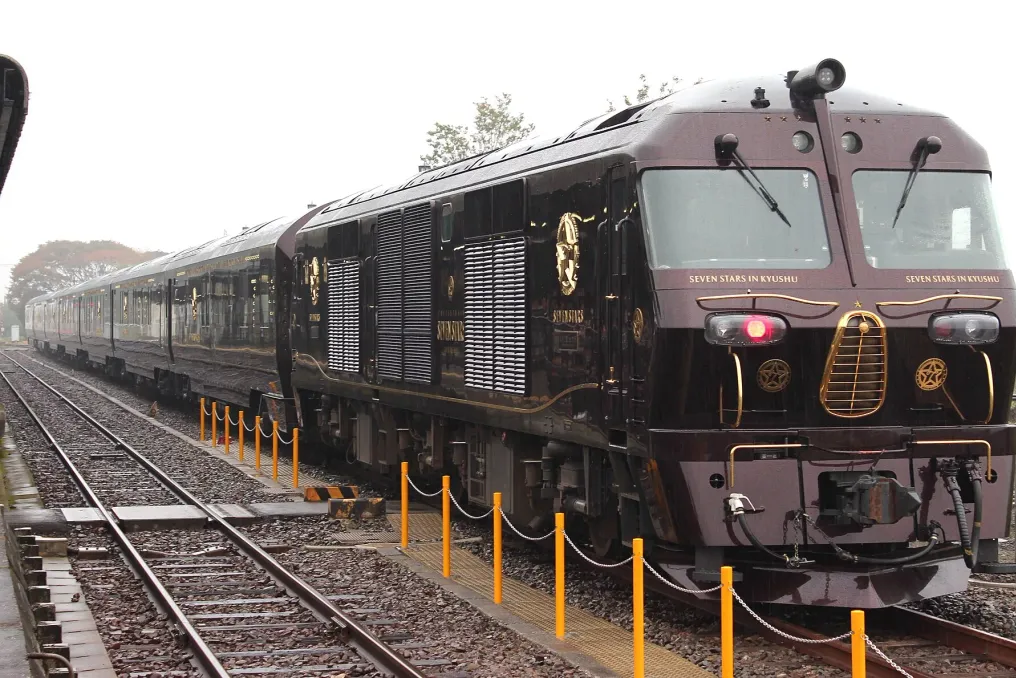
The deep burgundy exterior with gold accents makes a strong first impression. Inside, polished wood, fine craftsmanship, and Japanese design create a warm, understated elegance. The seven-car set was renovated in 2022, adding areas such as a lounge, tea room, shop, and bar. The Blue Moon Lounge, equipped with a piano and comfortable seating, provides a place to relax while watching the passing scenery. Large windows at both ends of the train allow the surrounding landscape to be integrated into the experience.
Due to the limited number of guest cabins, the experience is intentionally intimate. The suites combine Japanese and Western design, utilizing carefully selected materials and exquisitely crafted wood. Two deluxe suites offer additional space and unique layouts, including one with a large window framing the passing countryside.
Passengers do not need to worry about packing for the next hotel or stressing over transfers. The train keeps moving while you immerse yourself in the rhythm of travel.
Food is a central element of the Seven Stars experience. The menu features seasonal produce and regional delicacies of Kyushu, influenced by Japanese, French, and Italian cuisines, depending on the meal and route. Local ingredients and culinary traditions help tell the story of the island, presenting its landscapes and communities on the table. Some journeys also include dishes from renowned local restaurants. Every meal offers a new way to discover the place you are visiting.
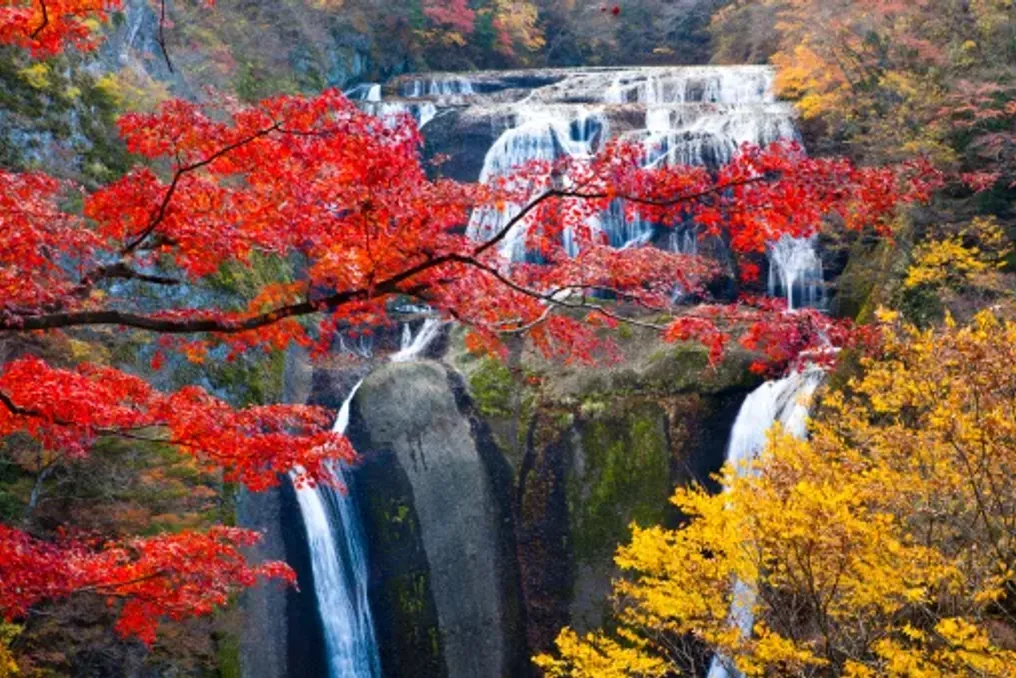
Kyushu presents a landscape of contrasts: it features active volcanoes, coastal cities, hot springs, and rural communities that have preserved their traditions for generations. Seven Stars unites these diverse facets of the island through its routes and excursions.
Depending on the itinerary, passengers can visit Hita in Oita Prefecture, known for traditional crafts, including Onta pottery. Other trips offer views of the East China Sea along the Hisatsu Orange Railway or of the volcanic landscape around Sakurajima, near Kagoshima.
Excursions provide an opportunity to learn about local crafts, regional cuisine, and the history of small settlements. Instead of just passing by, travelers gain insight into the people and traditions that give Kyushu its uniqueness.
The train offers both two-day and four-day tours, with routes and stops varying depending on the departure date. Each itinerary offers a different perspective on the island.
The built-in tea room introduces passengers to Japanese tea culture, and the lounge serves as a place for evening relaxation as the landscape disappears outside the windows. There is also the option to enjoy quiet moments without feeling that every hour must be filled with activity.
Naturally, this is not a typical train ride. Thanks to the limited number of suites, curated excursions, and exquisite cuisine, Seven Stars firmly belongs to the category of elite travel. It is designed specifically for those who want the journey to be as memorable as the places they visit.
Japan has many worthy destinations, but Seven Stars offers a different way to experience them. It combines the landscapes, cuisine, and traditions of Kyushu without rushing from one attraction to another. On board the Seven Stars, the journey is not just a means of transport, but the destination itself.