Tally Solutions began its journey long before the boom of SaaS, UPI, GST, and startups. Founded in 1986, this company, which develops accounting software, has survived numerous technological cycles and built a client base of nearly three million users.
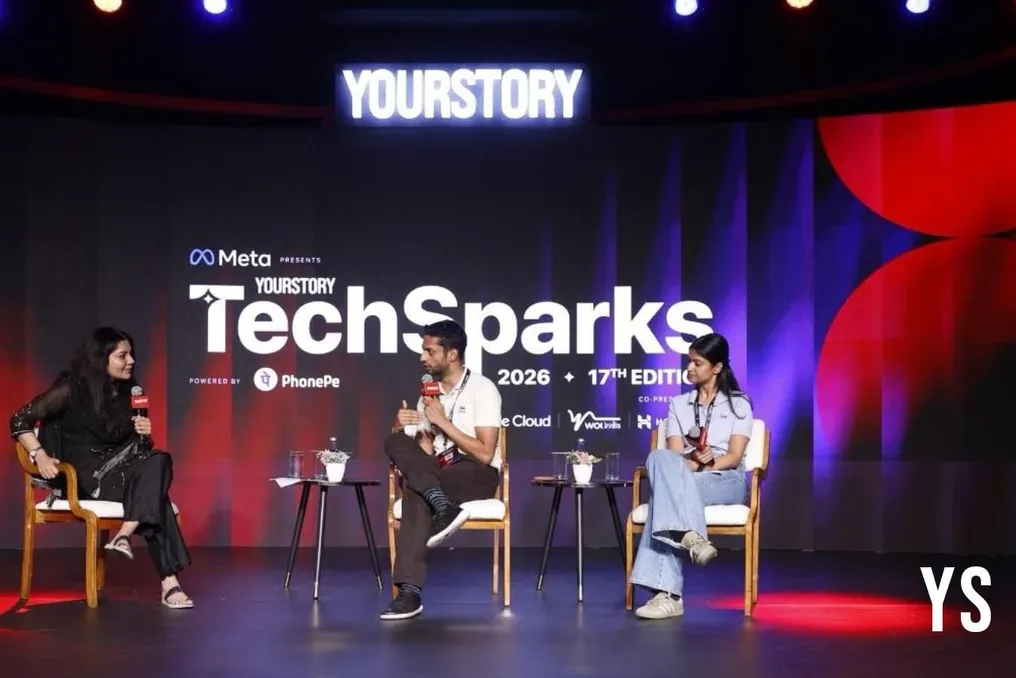
In an interview with Shraddha Sharma, founder and CEO of YourStory and The Bharat Project, Tally Managing Director Tejas Goenka and Executive Director Nupur Goenka explained how the domestic product managed to remain relevant over four decades.
Nupur Goenka linked Tally's success to its focus on ownership. She noted that the company initially developed its entire stack independently, including its own memory manager and programming language. Furthermore, the company completely rewrote its stack five times without using a single line of code from previous versions.
She stated, 'The willingness to do this because you remain uncompromising on your goals was a culture of the company from day one.'
Tejas Goenka emphasized the company's fundamental principle: 'The cost after purchase should be close to zero,' recalling times when releases were supported by a team of just one person.
Differentiating between boring and comfortable, Nupur spoke about the culture of change within the company. She warned that there is sometimes a tendency to confuse successful and boring with what brings comfort. 'When you find yourself in any form of comfort zone, it signals an unwillingness to change and inertia,' she said. She shared her father's advice about the necessity of implementing changes every few months to maintain the company's viability.
The advent of Artificial Intelligence (AI) led the Goenkas to agree that fundamental principles would not change: cost, reliability in a trust business, and confidentiality. The company uses AI to enhance Tally's utility for founders without compromising customer data privacy.
Tejas recounted a case involving a textile manufacturer with a turnover of about 1500 crore rupees, where only four people knew the client names. He wondered, 'Imagine if this data were given to AI.'
Nupur recalled being told on her first day at Tally that client data belonged only to the client. She stressed that no one inside the company had access to it. The task is to provide analytics and credit access without violating this promise.
The Goenkas also acknowledged criticism that Tally is more oriented towards accountants than business owners. An attempt to modify the software in 2020 failed. 'People almost threw shoes at me,' Tejas recounted. However, he added that they are no longer bound by the past and can create what should exist.
Tejas openly discussed missed opportunities: payroll, which Tally entered around 2004–2005 in Dubai but failed to find users for, and a retail product that was subsequently discontinued. Nevertheless, he considers payroll an untapped niche.
Looking ahead, Tejas optimistically noted that Tally has released about seven updates in the last three or four years that many customers are still unaware of, and interface changes are expected in the coming weeks and months. Additionally, Tally plans to expand into new geographical markets, particularly the Middle East and Africa.
'We have incredible two or three decades ahead of us... It would be a shame to miss this opportunity to build an influential technology company from this country,' he concluded.