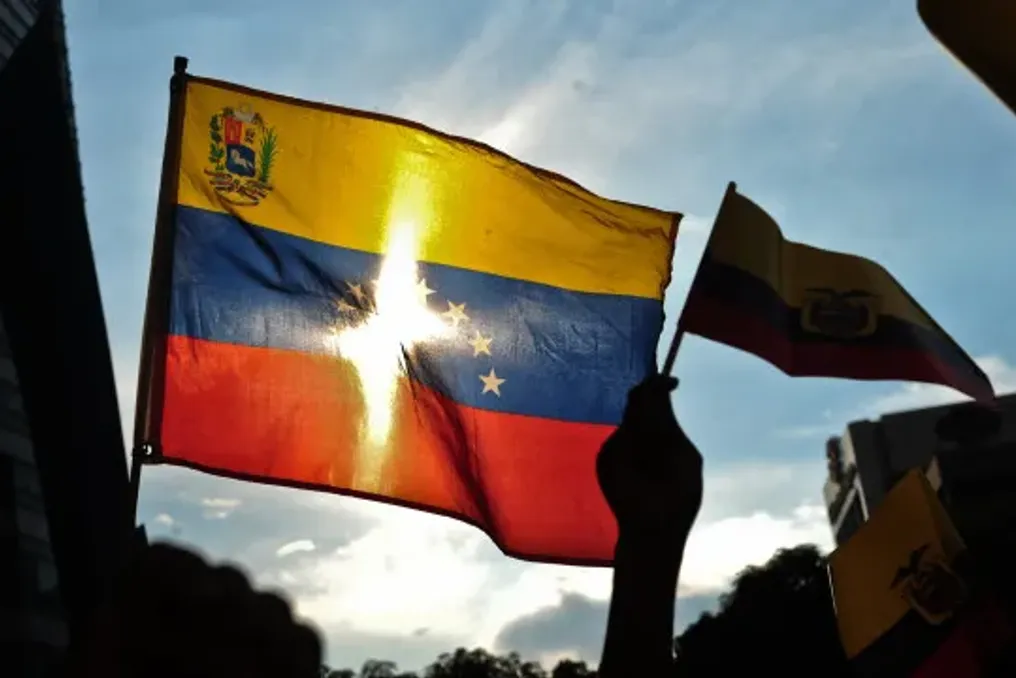
Venezuela presents economic reforms to combat inflation and restructure debts
Read more
Noticias ao Minuto
noticiasaominuto.com

Venezuela presents economic reforms to combat inflation and restructure debts

The Vice President for Economy of Venezuela reported that the country is focused on reducing inflation, reorganizing public debt, and strengthening the bolívar, while also seeking to normalize its connections with global financial institutions.

In his first participation in the annual meetings of the International Monetary Fund (IMF) in approximately two decades, Calixto Ortega Sánchez presented a recovery strategy based on economic growth, fiscal discipline, monetary stability, and institutional strengthening.

He stated that this participation represents an advance in normalizing Venezuela's relations with the international financial system. Ortega, former president of the Central Bank of Venezuela, admitted that the country has faced one of the worst economic crises in its recent history, with the economy shrinking by about two-thirds in the last decade, driven by falling oil prices, sanctions, and the collapse of oil production.

Ortega mentioned that the country has recorded twenty-two consecutive quarters of economic recovery, crediting this success to the resilience of the Venezuelan people and an economic plan implemented under extremely difficult conditions.

This recovery occurs while the IMF projects 5% growth for the Venezuelan economy in 2026 and 7% in 2027, according to its latest report, the World Outlook Report. However, the same organization estimates an average annual inflation of 467.9% this year, with a forecast drop to 174% in 2027.

The Vice President acknowledged that inflation remains a major economic challenge but argued that the solution transcends the exclusive action of the central bank. He emphasized that without production, a solid fiscal base, and a regular economy, lasting stability is unattainable.

Additionally, he stated the expectation of developing a set of inflation targets soon, aiming to reduce indices to double digits as quickly as possible. Ortega detailed that the government strategy consists of increasing oil and mining production to generate foreign currency revenue, using part of these resources to invest in neglected sectors, such as water and electricity supply.

Subsequent steps include reducing inflation, stabilizing the exchange rate, reconnecting the banking system to international markets, resolving public debt, and strengthening institutions and improving governance to facilitate economic activity.

Since the detention of President Nicolás Maduro by the United States in January, the country's oil production has increased, reaching approximately 1.2 million barrels per day, compared to three million recorded at the end of the 20th century. After the arrest of Maduro and Cilia Flores, the United States reestablished diplomatic relations with Venezuela and intensified ties with the Government of Delcy Rodríguez, signing an oil agreement to manage part of the national reserves.

The official stressed the country's intention to avoid past mistakes during periods of oil abundance, when large revenues did not result in a more diversified productive structure. He emphasized that gains from oil and mining must be directed to areas such as agriculture, manufacturing industry, and other productive activities.

Beyond diversification, Caracas seeks to deepen collaboration with the BRICS bloc and increase its presence in multilateral organizations, a tactic aimed at expanding opportunities for trade, investment, and financing. Ortega also mentioned plans to increase gold production and include part of this metal in the central bank's reserves, arguing that stronger reserves can boost investor confidence and optimize economic prospects. He concluded that the main objective is the improvement of the population's quality of life, characterizing the program as people-centered.
Similar stories

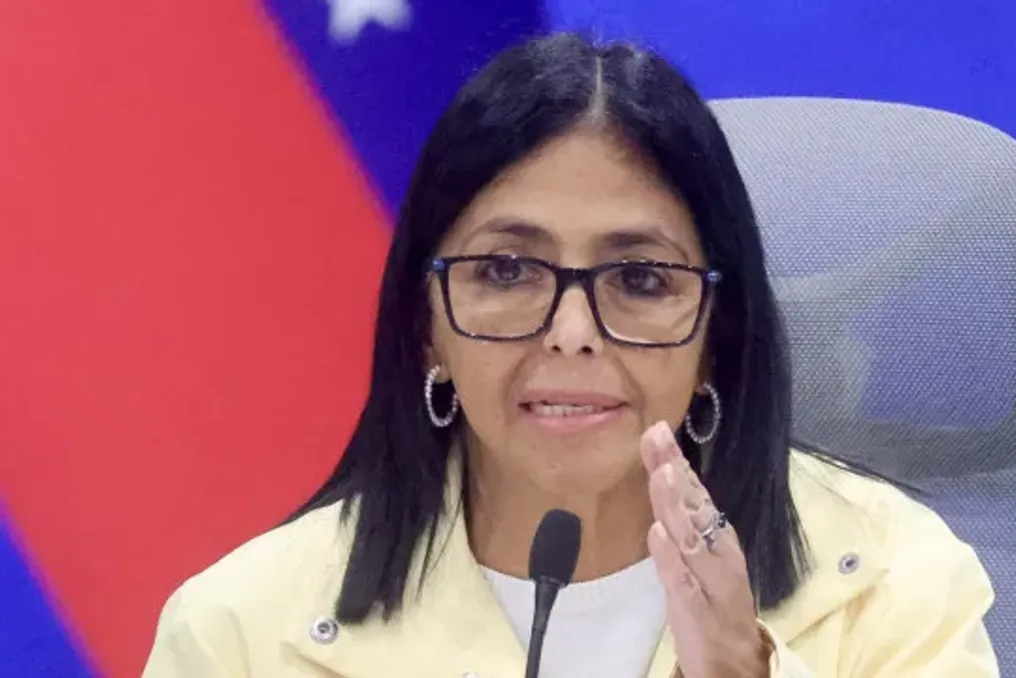
Delcy Rodríguez presents plan to eradicate hunger in Venezuela by 2030
Read more
noticiasaominuto.com

Delcy Rodríguez presents plan to eradicate hunger in Venezuela by 2030

The interim president of Venezuela, Delcy Rodríguez, announced in Rome the launch of the 'Venezuela Feeds' Plan and new legislation focused on the local economy, aiming to achieve the goal of 'zero hunger' in the country by 2030.

This announcement was made during the FAO World Food Forum, where she highlighted the decrease in undernutrition prevalence in Venezuela to 3% this year.

Rodríguez stated that the Venezuela Feeds Plan aims to coordinate all food production processes to reach this ultimate objective, and informed that she will present a new law for the local economy to the Venezuelan Parliament in the coming days.

The president emphasized that this law will complement the communal and community economy and entrepreneurship, allowing for integration and productive chaining with the large agri-food industry.

Delcy Rodríguez began her speech by stating that Venezuela has the conviction that food is a fundamental right, intrinsically linked to life, dignity, and the complete development of people. She stressed that ensuring this right requires sustainable and inclusive public policies, but also demands production, investment, science, technology, financing, and cooperation.

She added that peace and a cooperative international system are essential, even in the face of disagreements. Rodríguez mentioned that she comes from a country that managed to rise again and rebuild using its own capabilities, looking to the future with optimism and hope, seeking a rebirth.

In thanks, she acknowledged the support of the World Food Programme to Venezuelans after the earthquake that occurred on June 24.

To discuss rebirth, she advocated that the focus should be on the land and those who cultivate it, promoting the application of science, technology, innovation, investment, and traditional knowledge to transform agri-food systems and ensure that solutions reach those who produce and those who suffer from hunger and malnutrition.

According to Delcy Rodríguez, humanity faces the paradox of possessing advanced technology while millions go hungry and food is wasted. The current challenge, according to her, requires greater efficiency in production, minimizing losses, and strengthening agricultural systems against climate change and the El Niño phenomenon in Venezuela and other South American nations.

She warned that agricultural planning is now dictated by climate changes, requiring resources for adaptation, the use of Artificial Intelligence, and early warning systems in production.

Rodríguez reinforced that food must never be used as a tool of political pressure or confrontation. She insisted that where there are disagreements between states, dialogue and diplomacy must prevail, and where there is hunger, the common responsibility is to find solutions, criticizing the application of sanctions that, outside international law, harm the right to food.

She recalled that at the beginning of the century, the FAO had recognized the drop in undernutrition in Venezuela, from 14.1% to less than 5%. However, Delcy Rodríguez attributed the collapse of production chains and the supply crisis, which affected all society, to the combination of internal political conflict with the impact of economic sanctions imposed since 2017, which affected 16% of the agri-food sector.

As recovery factors, she cited internal political dialogue with the opposition and direct diplomatic negotiations with the United States. She stated that national dialogue with sectors of the opposition and diplomatic dialogue with the United States of America were crucial for the political stability necessary for growth and production.

Additionally, she highlighted the improvement in social indicators, with undernutrition falling to 3% this year (compared to 5.3% in 2025) and acute malnutrition in children under five decreasing from 14.8% (in 2019) to 1.3% (in 2025).

Concluding, Delcy Rodríguez expressed the desire to plant more than just food, wanting to sow confidence, opportunities, and prosperity, because peoples, like the land, have a remarkable capacity for renewal.

Popular