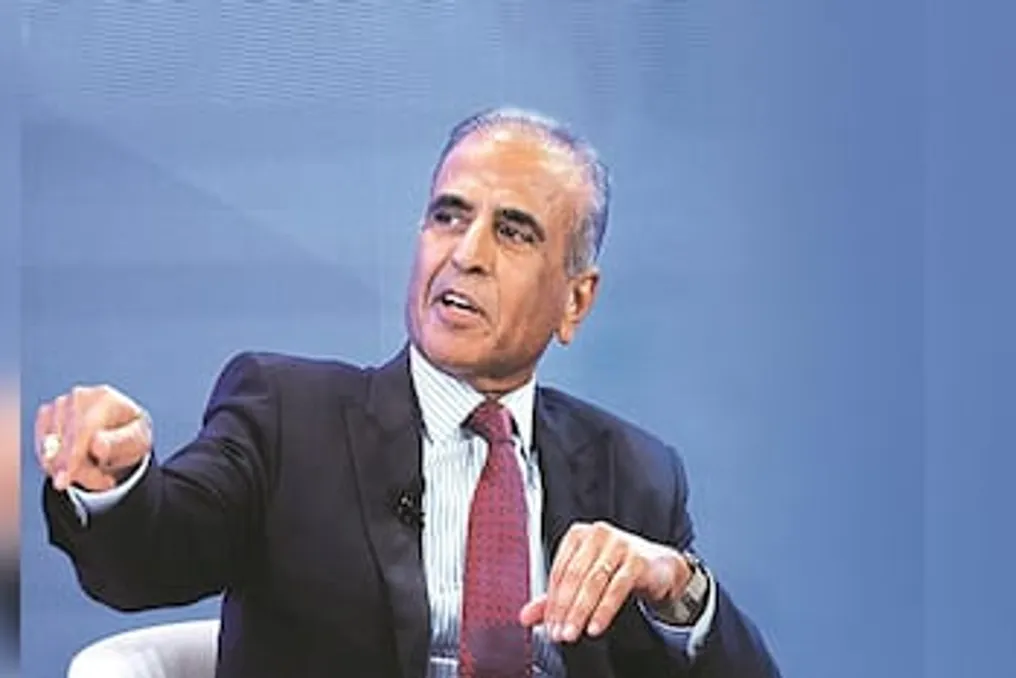
Sunil Bharti Mittal, Chairman of the Board of Directors of Bharti Enterprises, stated that OneWeb is ahead of Starlink in the queue for necessary permits. He emphasized that OneWeb applied five years ago and has had its ground network ready for three years.
During a panel discussion at the Bloomberg New Economy Forum 2026, Mittal noted that OneWeb is awaiting approval and believes they are significantly ahead of Starlink in the queue because their application was submitted five years ago. He added that OneWeb satellites have been over India for the last five years, and the ground networks have been ready for three years, and they would be happy to receive permission even a few days earlier.
These statements came after Elon Musk publicly accused some Indian companies of obstructing Starlink's entry into the Indian market. Musk, founder of SpaceX, posted messages on the social media platform X over the past week, claiming that the Reliance Industries group and the IPO-awaiting company Reliance Jio are blocking Starlink's access to India.
Musk also questioned the delays in issuing permits despite Starlink having operated in India for several years. Lauren Dreier, Vice President of Operations for Starlink at SpaceX, reported on October 7 that the satellite broadband service provider has built its infrastructure in India, including 20 gateways with hundreds of antennas, over the past five years. She also confirmed that the company has complied with security and regulatory requirements in India and is ready to begin providing services.
The Indian government responded to Musk's accusations. The Ministry of Communications stated that no preferential permits are being granted to any single satellite communication operator, and the process is fair and non-discriminatory. The Ministry noted that all three parties are currently at approximately the same regulatory stage, and the claim of unfairness or discrimination in the system is unfounded.
Musk continued to criticize the Reliance group over the weekend, calling it a 'de facto monopoly in India.' He also insisted that Starlink services should be available to more people in India and argued that competition would benefit consumers, even if it led to reduced profits for Reliance Jio.