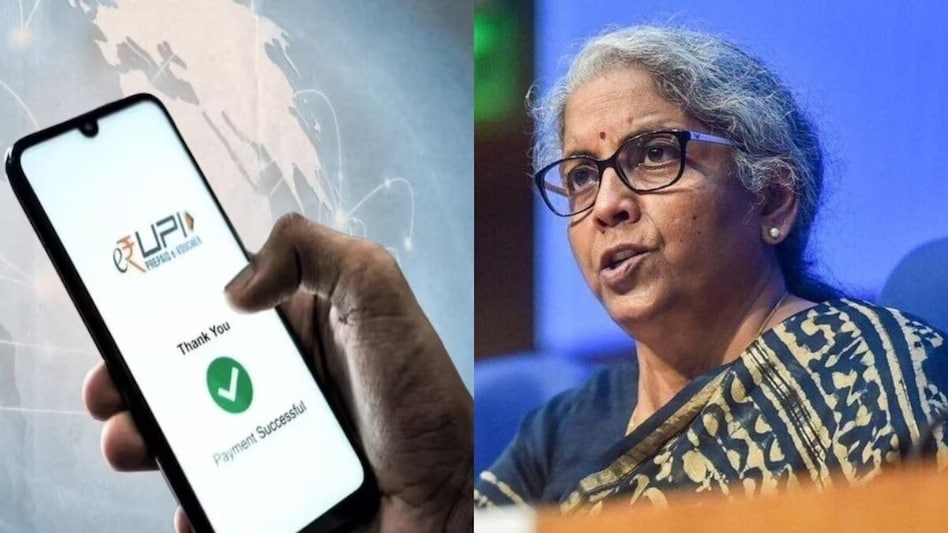
Initially, it was planned to introduce MDR on certain UPI transactions starting from October 15 for amounts exceeding 2000 rupees. However, due to the festive season, there were constant demands from traders to postpone this decision. Furthermore, protests against the introduction of UPI transaction fees were observed in some regions of the country. As a result, the government decided to postpone this until Diwali, and the final decision on the effective date will be made after this festival.
Tuesday saw that NPCI and the UPI Steering Committee decided to apply the MDR commission to 'person-to-merchant' (P2M) type transactions after Diwali, considering the festive period. Traders welcomed this decision, meaning that customers and sellers will not face issues when paying via UPI during the festive season.
During Diwali, there is a significant volume of sales in markets for clothing, electronics, jewelry, and other goods, which leads to an increase in the use of digital payments. Representatives of trade organizations and payment companies believed that implementing this system during the holidays could cause payment difficulties. Taking this into account, NPCI extended the deferral of this decision until Diwali.
MDR is a levy that the seller must pay to the bank and payment service provider for accepting digital payments. Previously, the government clearly stated that UPI payments for regular customers would remain completely free, and no fee would be charged from users or individuals (P2P — person-to-person).
Benefits for small merchants
For any transactions up to 2000 rupees, the MDR will be zero. Small and local street vendors or vendors in neighborhoods will not pay MDR. For large P2M transactions exceeding 2000 rupees, an MDR of 0.4% is proposed. For more expensive payments exceeding 75000 rupees, this commission is capped at a maximum of 300 rupees per transaction.
Special rates for specific services
It has been decided to provide discounts for certain types of usage, such as payment for railway tickets, electricity bills, fuel, and insurance premiums. For these services, the MDR will be a fixed 5 rupees for payments over 2000 rupees, instead of 0.4%. For the stock market (mutual funds, stock brokerage), a commission of 0.02% (maximum 300 rupees) has been set.
Since mass shopping occurs in the country during Diwali and Dhanteras, traders and their organizations (such as CAIT) demanded that this rule be postponed during the holiday sales period. Banks, fintech applications, and payment aggregators will require additional time to make changes to their systems and software.
The government states that the revenue generated from the small commission on selected UPI transactions will be used to strengthen the security of the digital payment infrastructure, enhance cybersecurity, and reinforce the technical base. NPCI will provide updates after Diwali. Diwali falls on November 8, 2026.