Southern Africa: What Families Value When Visiting South Africa, According to Tourism Industry Analysis
Read more
IOL
iol.co.za

Southern Africa: What Families Value When Visiting South Africa, According to Tourism Industry Analysis

Anyone who has traveled with children knows that a family vacation is more than just beautiful scenery and a comfortable hotel. It requires ensuring enough space for everyone, food that appeals to young travelers, and entertainment that will keep children delighted while adults can relax.

South Africa offers many attractive features, including encounters with penguins and marine life, wildlife safaris, beaches, and active recreation. However, the question remains as to how well the tourism industry meets the needs of families with children.

The Data Appeal Sentiment analysis, covering 12 months up to August 18, 2026, provided valuable insights into what family travelers like and where the tourism industry can improve its operations.

Family travelers reported a sentiment score of 83.6, based on over 63,000 reviews, with families accounting for 22.6% of the total reviews in the analysis. The findings indicate that South Africa already possesses many elements for an unforgettable family holiday. The opportunity lies in making the overall experience more convenient, accessible, and comfortable for both parents and children.

Attractiveness of Attractions, Aquariums, and Outdoor Activities

South Africa's attractions are one of its main advantages for family tourism. The overall sentiment score for attractions was 90.2, with some famous spots achieving even higher scores. Kirstenbosch National Botanical Garden received a rating of 95.5, followed by the V&A Waterfront at 95.1, Two Oceans Aquarium at 92.0, and Boulder's Beach at 90.4.

The reason for this popularity is easy to understand. Whether it is watching penguins waddle on the beach, studying marine fauna, or exploring open green spaces, these experiences offer something for different generations. A lesson for tour operators is that a family attraction does not necessarily have to be designed exclusively for children; experiences that allow parents, children, and grandparents to share an adventure can be equally appealing.

Why a Family Safari Deserves a Spot on Your Vacation List

Family tourism extends far beyond the attractions of Cape Town. The Limpopo region demonstrated a family sentiment score of 89.2, followed by the Eastern Cape at 86.8 and Mpumalanga at 86.1. Wildlife adventures give families a chance to enjoy something other than traditional beach holidays, introducing children to the bush, wildlife, and the natural environment.

Black Rhino Lodge received a family sentiment score of 93.6, and Kruger Gate Hotel scored 92.1. For families considering a safari, practical details can be crucial. Parents need to know if younger children can participate in safaris, whether activities are available between excursions, and if the accommodation offers suitable room configurations. Clear information regarding age restrictions, meal times, and child amenities can also make safari planning less daunting. It would be beneficial for tour operators to make these details easily accessible to help families feel more confident when choosing and booking a wildlife getaway.

Why Space Matters When Traveling with Children

Accommodation can either save or ruin a family vacation, especially when everyone needs some personal space. According to the Data Appeal analysis, short-term rentals received a family sentiment score of 86.8 compared to 84.3 for traditional hospitality. This difference highlights the appeal of self-catering, where families can utilize separate bedrooms, kitchens, flexible meal schedules, and extra living space. For parents traveling with young children, having a place where they can quickly prepare food or soothe a tired toddler can be invaluable. Hotels can respond to these needs without changing their entire offering. Family suites, connecting rooms, refrigerators, microwaves, and flexible dining options can help make the stay more comfortable. Clearly explaining available room configurations and family amenities before booking also helps manage expectations.

Hospitality Remains a Major Strength

An unforgettable family vacation depends not only on the destination but also on how you are treated throughout the journey. The analysis recorded an emotional engagement score of 86.4, along with positive ratings for hospitality and staff. For families, even small gestures can have a lasting impact. This could be a restaurant employee who makes a child feel like a welcome guest, an administrator who assists parents after a tiring trip, or a safari guide who patiently answers a young traveler's questions. These interactions can transform an ordinary stay into a vacation that the family remembers long after returning home. The South African hospitality sector has the potential to develop this strength, ensuring that families feel welcomed, rather than feeling like their children are an inconvenience.

Family Travel Issues Noticed by Parents

Despite the generally positive sentiment from families, the figures point to several areas where the travel experience could be improved. A specific family-oriented topic received a sentiment score of 81.2. Meanwhile, some practical aspects of the visitor experience received lower ratings: Rooms: 70.0; Safety: 70.2; Cleanliness: 69.0; Accessibility: 44.5. These are important factors that families consider when making travel decisions. Stairs or inconvenient entrances might be a minor inconvenience for some travelers, but for parents carrying toddlers, managing luggage, or pushing strollers, it can be a serious obstacle. Cleanliness and safety are also paramount when parents choose accommodation and entertainment for their children. For tourism businesses, improving these practical details may be less impactful than launching a new attraction, but it can significantly affect how families experience their stay. Accessibility deserves special attention, particularly when accommodation and attraction providers assess how welcoming their facilities are to families with young children and travelers with mobility issues.

Family Dining

Food is another vital part of the vacation equation. The family dining experience in South Africa received a sentiment score of 79.5, while breakfast was rated at 80.4, and desserts at 81.3. However, parents know that dinner with children involves more than just choosing a restaurant with good food. After a long day of sightseeing, tired children may lack patience for long waits or complex menus. Children's portions, familiar dishes, high chairs, and flexible meal schedules can ease the process for everyone. Staff who understand the realities of traveling with children can also help families feel more comfortable. Sometimes the difference between a stressful dinner and a successful family meal is simply serving the children what they will eat before patience runs out.

What Experiences Are Families Looking For

The findings show that South Africa already offers many experiences that families seek. Its beaches, wildlife, active attractions, and diverse accommodation options provide plenty of choice. The next step is to make the entire vacation easier to plan and more enjoyable. Tourism businesses can start by looking at their offerings through a parent's eyes. Is it easy for families to determine if an activity is suitable for their children's age? Are online room configurations and family amenities clearly explained? Are there flexible dining options? Can visitors navigate the premises with a stroller? Are there activities to keep children occupied between excursions? These details can help families make informed decisions before arriving. There is also an opportunity to cater more specifically to multi-generational trips, as parents, children, and grandparents increasingly represent different needs within one family group. Suitable accommodation options, accessible facilities, and activities appealing to different age groups can make these trips more pleasant.

Happy Kids Can Change Everything

For families, the most memorable moments are not always the most expensive or complicated. A child's first safari, a close encounter with penguins, swimming in a hotel pool, or a guide who makes wildlife exciting can become the highlight of the entire trip. Children are also active participants in decisions about family vacations. Their interests and experiences can influence where families decide to go and what they remember later. With a family sentiment score of 83.6, South Africa has a positive foundation upon which to build. The opportunity lies in preserving the experiences that families already love while addressing practical issues related to rooms, cleanliness, safety, accessibility, and child amenities. Because while a destination might convince a family to book a vacation, it is often the small details that determine whether they will return.
Similar stories

African ports compete for revenue from cruise passengers' onshore spending
Read more
iol.co.za

African ports compete for revenue from cruise passengers' onshore spending

Africa has long struggled to attract cruise liners, and now its focus is on securing the funds spent by passengers after arriving in port.

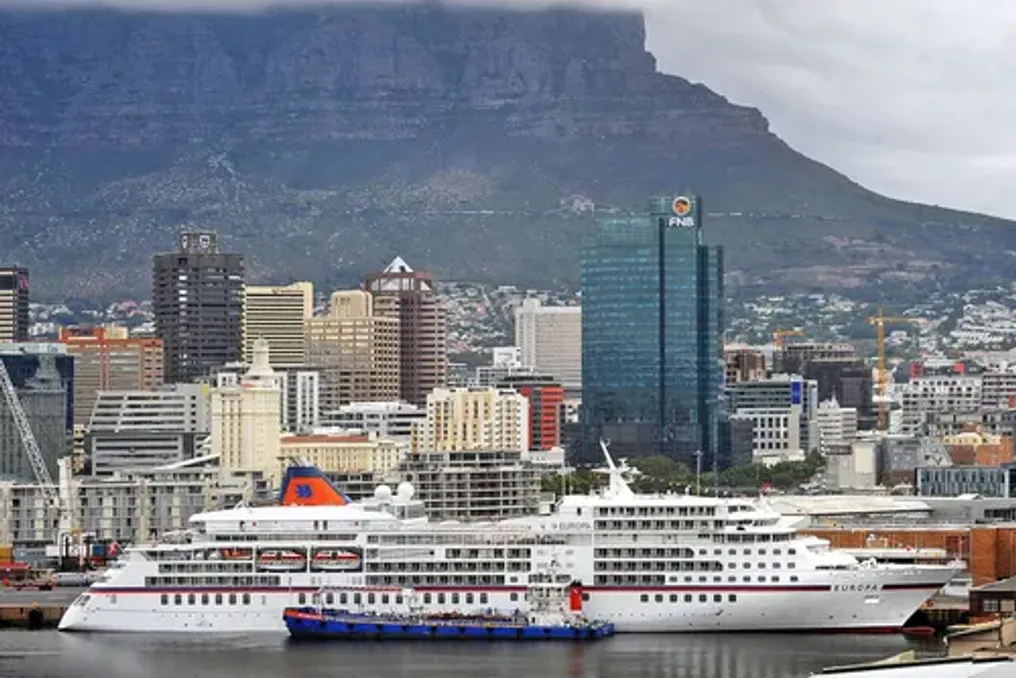
The port in Cape Town serves as a gateway to Cape Town City and the Waterfront. According to Wesgro, the official agency for promoting tourism, trade, and investment for Cape Town and the Western Cape, the 2026/27 cruise season began on September 17th with the arrival of the Pacific World, carrying 1,397 passengers, predominantly from Japan, and 655 crew members.

This arrival followed three years of rapid growth. In the 2022/23 season, Cape Town hosted 70 cruise ships, carrying approximately 78,000 passengers. By the 2024/25 season, this number increased to 79 ships and 127,000 passengers, according to the Seatrade Africa E-report.

The average annual increase in passenger numbers during this period was 16%, exceeding the industry's global average of 9%. The economic contribution grew parallel to the rise in passenger flow: cruise tourism brought R4.34 billion to the GDP of the Western Cape and R5.32 billion to the South African GDP over three seasons. Furthermore, the sector generated a cumulative income of R3.04 billion in foreign exchange earnings, according to Wesgro.

Tourist spending is not limited to the main terminal. Visitors to the Bo-Kaap area can participate in masterclasses at private kitchens of multi-generational chefs, learning the art of blending Cape Malay spices, rolling rotis, and baking authentic bobotie.

Changing the Onshore Experience

In Mossel Bay, Hermanus, and Saldanha Bay, 32,000 passengers were registered across 26 ship visits in the 2024/25 season, generating R47.5 million in local spending, according to the Seatrade report. This broader reach is becoming increasingly significant as ports invest in infrastructure and destinations develop new products for visitors.

The Cape Town cruise terminal at E-Berth is part of a R20 billion land redevelopment project. In 2025, Mossel Bay opened a new cruise reception area, and Saldanha Bay is moving towards official entry and exit port status.

The onshore experience is also transforming. Passengers can now travel from Cape Town to the heritage areas of Bo-Kaap, or take food and entrepreneurship tours in Lange and Hout Bay, or explore wineries around Stellenbosch and Franschhoek. In Ghana, cruise operators offer tours of the Cape Coast and Elmina heritage sites, including markets and drumming workshops.

This shift is crucial because cruise passengers have limited time ashore. A port capable of linking a ship's arrival with a range of local businesses and attractions has a greater opportunity to retain spending until the vessel departs.

Time Constraints

Kenya is actively developing this link with the country's safari economy. In March, the Kenya Wildlife Service introduced a 30% group incentive for cruise travelers visiting national parks, including Tsavo East, Tsavo West, and Amboseli.

Currently, about 20% of cruise passengers extend their trips to parks and reserves. The government aims to increase this figure to 40%, which could boost total park revenue by up to 40%. The program was developed in collaboration with Pollmans Tours & Safaris to streamline group excursions according to cruise schedules, while international operators such as Abercrombie & Kent are also being attracted to the market.

The economic benefits are already evident. Calculations by the Ministry of Tourism, cited by the Kenya News Agency, showed that a short cruise stop can generate around Sh50 million (equivalent to R6.45 million). A group of 70 tourists heading to Maasai Mara was valued at Sh23 million, injected into the economy in just a few hours. Kenya aims to attract KES 2 billion from 12,000 cruise tourists.

However, time remains the primary constraint. Passengers in Mombasa must clear customs, reach inland areas, and return before the ship departs. The shorter the stay, the more important transport, park access, and excursion planning become.

Opportunities are also changing as cruise itineraries become longer and more specialized. According to Seatrade, the number of expedition calls to Cape Town has risen from five in 2023/24 to 16 in 2024/25. These passengers typically spend more and book extended onshore programs more frequently.

European Cruise Service launched African Cruise Service in Walvis Bay at the end of 2025, another sign that operators see potential in increasing expedition and onshore products around African ports. AmaWaterways added four African safari and wildlife itineraries in August 2026, combining its Chobe River cruise with onshore programs covering destinations like Namibia, Kenya, and Victoria Falls. One itinerary combines a Chobe River cruise with Victoria Falls and the NamibRand Nature Reserve in Namibia, Etosha National Park, and Skeleton Coast. Another links the river cruise with Amboseli and Maasai Mara.

Namibia is working to strengthen Walvis Bay as a tourism gateway. In July, the Namibian Tourism Board and the Ministry of Internal Affairs gathered port authorities, tour operators, state institutions, and private sector players to improve passenger service and promote the country in the cruise sector. Products around Walvis Bay extend beyond wildlife: Harbour Sandwich, the Namib Desert, and other coastal and desert experiences give passengers ways to spend money outside the terminal.

Visa Waivers for Short Stays

West Africa is showing another story of growth. In 2024, Cabo Verde welcomed 110,554 cruise passengers across 250 calls, compared to 86,945 passengers and 171 calls in 2023, according to Seatrade.

Global Ports Holding expanded its African operations to Mindelo in 2025 after initially entering the continent through La Guette in Tunisia. These investments integrate one of Africa's fastest-growing cruise markets into a major global port operator network.

Benin is strengthening its position in the Gulf of Guinea. The arrival of Seabourn Sojourn in 2025 marked a significant return of international cruise tourism after several years of limited activity. Benin is now waiving visa requirements for cruise passengers staying less than 72 hours and plans to create a dedicated cruise berth by 2027. This visa policy removes one of the biggest obstacles to short cruise visits, allowing passengers to quickly transition from the ship to local tourist experiences without undergoing the same entry procedure as long-term guests.

Mozambique is trying to distribute the value of cruise arrivals through Maputo. The port expects 15 cruise calls and nearly 16,000 visitors in 2026. Authorities are coordinating arrivals with the National Tourism Institute and FEIMA, where passengers can purchase local handicrafts and experience Mozambican cuisine and culture. In 2024, Mozambique hosted nine cruise ships carrying 4,492 tourists; approximately 2,069 passengers disembarked to visit attractions and spend money on local experiences.

Tanzania has also shown rapid tourism growth. By April 2025, the country recorded 5.3 million visitors, exceeding the target of five million, and tourist arrivals from January to May reached 794,102 people, a 54.3% increase over pre-pandemic levels. Dar es Salaam and Zanzibar are the country's main cruise gateways, hosting ships such as Seabourn Sojourn, Europa, Norwegian Dawn, and Viking Sky in 2025. From Dar es Salaam, short safari programs can connect cruise passengers with Mikumi and Ngorongoro National Parks.

Seychelles Islands include the economy in its national strategy. The island nation registered 41 cruise calls in the 2025/26 season, up from 35 in the previous season, including eight first-time calls. Its tourism authorities are targeting smaller, premium, and expedition vessels as part of a drive toward higher-yield cruise tourism. A UNECA cost-benefit analysis estimates that cruise tourism could directly contribute US$531 million to the Seychelles GDP between 2026 and 2033, and US$1.247 billion when considering multiplier effects. The analysis also identifies environmental costs of US$35.2 million and social costs of US$86 million over this period. It defines reducing economic leakage as one way to increase retained benefits. This is becoming a central business issue for African cruise destinations.

Red Sea Disruption Creates Opportunities

A passenger arriving in Africa does not guarantee that most of their spending will remain in Africa. Cruise operators, international suppliers, and other parts of the global tourism chain may capture a significant share before the money reaches local businesses. Connecting passengers with local guides, transport operators, restaurants, accommodation, crafts, cultural attractions, and national parks gives destinations a better chance to retain these expenditures.

The Red Sea disruption opens another opportunity. MSC Cruises changed the MSC Magnifica's itinerary for 2026 to avoid the Red Sea, adding calls to the Seychelles, Mauritius, Reunion, Durban, Cape Town, Walvis Bay, and Cabo Verde. This change incorporates more African ports into long-haul cruise routes as operators reroute to bypass Red Sea security risks. Mombasa is included in another Indian Ocean cruise itinerary following the end of the previous season in April. Kenya anticipates additional calls before the current itinerary concludes.

Sharp decline in penguin population observed on Zavodovsky Island due to climate change
Read more
www.aajtak.in

Sharp decline in penguin population observed on Zavodovsky Island due to climate change

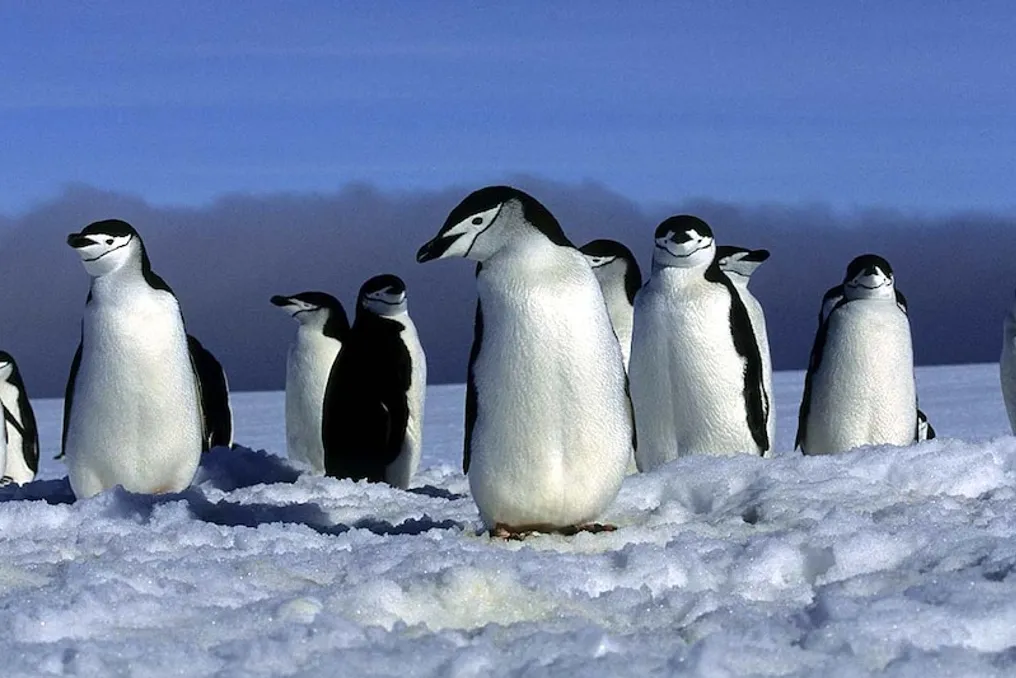
A significant decrease in the number of penguins has been recorded on Zavodovsky Island in Antarctica. According to data, the number of Chinstrap Penguin nests on the island decreased by 63% between 2011 and 2025. Experts calculated that the total population dropped from approximately 10.9 million to 4.02 million individuals, representing a loss of over 6.8 million penguins.

This information was published in the journal Current Biology. Scientists identified climate change and rising sea temperatures as the main factors affecting food availability.

Zavodovsky Island is part of the South Petermann Islands and was previously considered the world's largest penguin colony, hosting a large number of Chinstrap Penguins. The study was conducted by scientists from the British Antarctic Survey (BAS) using drones, aerial photographs, satellite data, and trackers fitted to the penguins.

The study established a continuous decline in the number of Chinstrap Penguins on the island. Chinstrap Penguins are highly dependent on Antarctic krill, a small marine organism similar to shrimp. However, changes in sea temperature can shift krill habitats, making it difficult for penguins to find food.

Scientists fitted tracking devices onto the penguins to monitor their foraging routes. Data showed that they prefer to feed in the cold waters northwest of the island, where krill is expected. Nevertheless, sea warming is altering the distribution and availability of krill, which researchers believe could negatively affect the health and numbers of the penguins.

According to the study's estimates, there were about 10.9 million breeding Chinstrap Penguins on the island in 2011, while this number decreased to 4.02 million by 2025. These changes were documented by comparing aerial and satellite records from different years.

Scientists also accounted for the volcanic eruption on the island in 2016. However, it was determined that the population decline began before this event, so the eruption is not considered the primary cause of the reduction in numbers. Long-term changes in the sea are likely the main causes.

Following the decline in the Chinstrap Penguin population, Zavodovsky Island lost its status as the largest penguin colony. Cape Adare in the Southern Ocean of Antarctica is now recognized as the largest colony, home to a large number of Adélie Penguins. Macaroni Penguins are also found on this island, whose population, according to the study, has increased. This indicates that the impact of changes in the sea and environment does not affect all penguin species equally.

The growing concern over penguin populations is linked to the fact that a significant portion of the global Chinstrap Penguin population lives on the South Petermann Islands. The rapid decline in this region raises serious alarm. If sea warming continues to affect krill availability, penguins will find it harder to find food and raise offspring.

This research demonstrates that the consequences of climate change are manifesting even in remote areas with minimal human activity. It is crucial for scientists to understand how quickly the decline in penguin populations might continue and what steps can be taken to prevent it.

Grandmothers in South Africa support families while facing financial and social difficulties
Read more
iol.co.za

Grandmothers in South Africa support families while facing financial and social difficulties

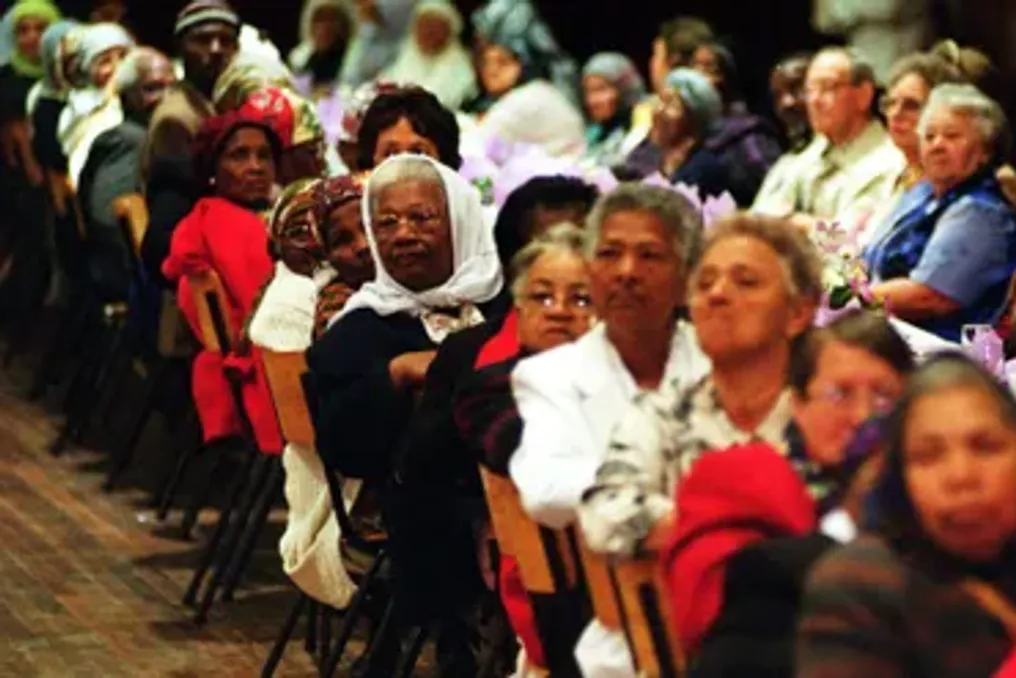
In South Africa, grandmothers and elders often serve as the backbone of society, raising generations with the support of old-age pensions. However, despite official recognition and annual speeches, a significant number of elderly citizens face economic vulnerability, physical insecurity, and systemic neglect.

Support for the older generation should not be limited to monthly payments; a comprehensive system is needed to ensure proper care, guaranteeing physical safety, accessible healthcare, public spaces, and social integration. As the country's demographic landscape changes, moving from mere acknowledgment to active structural support becomes an urgent requirement for all humanity.

The Reality of Aging in South Africa

In many South African households, the elderly act as primary providers and caregivers. Against the backdrop of high youth unemployment and structural poverty, families heavily rely on the monthly SASSA grant for survival. While this grant is helpful, it must cover numerous needs such as food, electricity, clothing, and medicine.

Obtaining state assistance involves monthly physical and emotional strain due to long queues, administrative delays, and digital barriers. Furthermore, the elderly are exposed to serious safety risks: financial exploitation by informal lenders, scams, and rising gender-based violence against older women deprive many of a safe and peaceful living environment.

Sarah Khuzwayo, a 65-year-old resident of Phumalani Village, shared her experience: 'We depend on this grant just to get by, but everything has become too expensive. When my husband fell ill, I had no choice but to take a loan from a loan shark—paying back 1300 rand for 1000 rand—just to pay for a doctor's visit.' This case illustrates the financial pressure experienced by the elderly in South Africa. The high cost of necessities like food, energy, and healthcare forces many into debt with predatory lenders to cover emergency expenses.

Since monthly social grants support entire families, minor expenses can seriously threaten a family's financial stability. Martha Petersen, a 72-year-old resident of Pelican Park, recounted that her day begins at 4 am waiting at the grant distribution point—and this is not only for her needs but also to provide three grandchildren with food for the month. 'My knees swell terribly before I can rest. But I cannot stop; without me standing, our family will simply go hungry.'

Her daily experience highlights how elderly grandmothers often bear the entire burden of family survival under severe physical strain. Tata Themba Dlamini, a 67-year-old resident of Phumalani Village, explained that young men in the settlement know the grant payment dates and gather near distribution points and on the streets. He noted that elderly women are constantly forced to look over their shoulders when walking home from the shop, emphasizing that safety on their streets is as important to them as financial support.

Agnes Mills, 65, from Pelican Park, expressed her view: 'When people see an elderly person, they often consider us a burden or beggars. They ignore the fact that we built these homes, raised these families, and paid taxes for many decades. We are not asking for pity or annual speeches on International Day of Older Persons—we want respect, accessible seating in public places, and a seat at the table when community decisions are made.'

To create an inclusive and age-friendly South Africa, several steps must be taken: ensuring decent service points (SASSA needs priority lanes, shelters, and equipped toilets); financial protection (strict control over predatory micro-lending and illegal grant withholding); delivery of chronic medication (expanding pick-up and home delivery points); improving healthcare (specialists in elder care, dementia, and mobility); and strengthening the Older Persons Act through localized care and the creation of safe housing.

The character of a nation is defined by how it treats those who built it. Beyond pension grants, true elder care requires safe streets, effective healthcare, accessible transport, and active participation in community life. By replacing neglect with practical support, South Africa can ensure that old age is celebrated, not endured.

Popular