The death of a Russian researcher specializing in the plague, whose circumstances generated conflicting information regarding the possible spread of pneumonic plague, was clarified by a senior Microbiology professor at Western Sydney University in Australia. This article was originally published on The Conversation website, which features research papers.
Currently, about 200 individuals are under quarantine in Siberia after Darya Shipilova, 28, fell ill while working and died on October 2. The exact reasons for her death remain unknown.
Initially, a high Russian authority announced on social media that Shipilova had died of the plague, but later changed the post to include the word 'possibly.' Subsequently, the Russian health regulatory body reported that the cause of death was 'pneumonia of unknown etiology.'
Local media speculated that she might have been contaminated after an incident at the laboratory where she worked, the Siberian and Far Eastern Plague Research Institute in Irkutsk; however, these claims have not been confirmed.
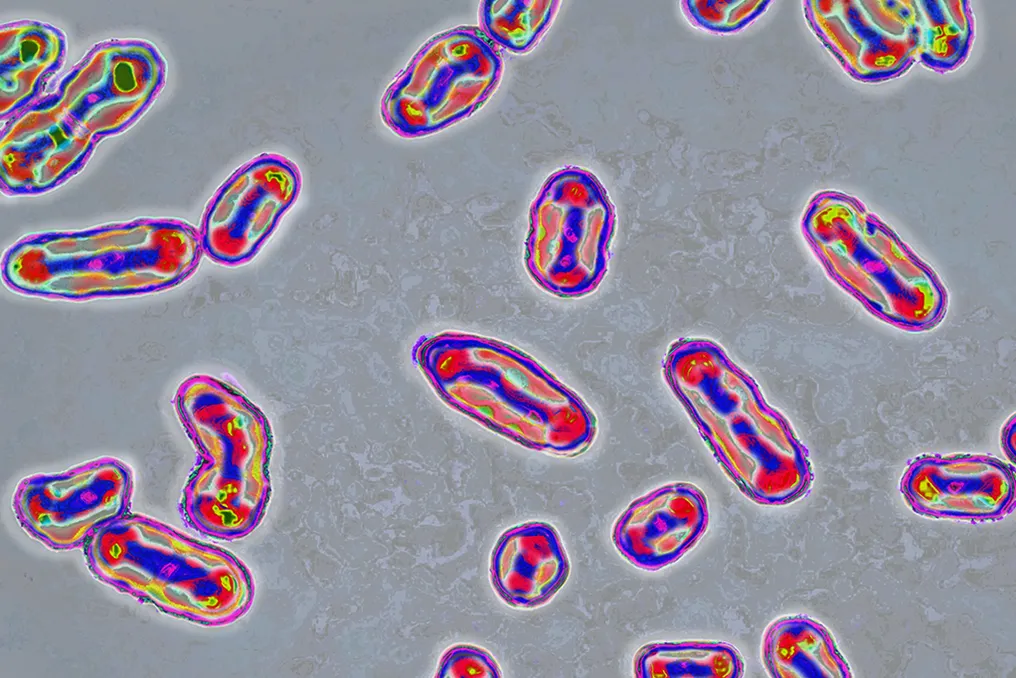
Plague is a disease caused by the bacterium Yersinia pestis, which typically resides in ground rodents, such as rats and prairie dogs, but can also affect humans. This same bacterium can cause three distinct forms of plague.
Bubonic plague is transmitted from animal fleas to humans, manifesting as swelling in the lymph nodes, known as buboes. Associated symptoms include fever, headache, chills, and prostration. Without antibiotic treatment, this form can be fatal within a few days, with an estimated mortality rate between 30% and 60%.
If bubonic plague is not treated, or if the disease reaches the bloodstream, it can evolve into septicemic plague. This condition is characterized by organ hemorrhaging and refers to severe blood infection, septicemia. Pneumonic plague—the suspected but unconfirmed cause of Shipilova's death in Siberia—occurs when bubonic plague migrates to the lungs. Furthermore, pneumonic plague has the capacity for person-to-person transmission through tiny respiratory droplets.
Considered the rarest form, pneumonic plague is the most lethal, presenting a mortality rate of up to 100% without treatment. It encompasses severe pneumonia, which is a bacterial lung infection. Historically, bubonic plague caused the death of millions in the Western Mediterranean between 541 and 750 AD (Justinianic Plague) and decimated half the European population in the Middle Ages (Black Death). Although outbreaks have occurred since the medieval era, the disease remains endemic in Siberia, Africa, the Americas, and Central Asia.
Cases usually arise in rural and agricultural environments, which decreases the probability of a laboratory leak in urban areas. Effective treatment for plague consists of antibiotics administered for 10 to 14 days, either orally or intravenously, provided it is started early. However, since 1995, antibiotic-resistant strains have been detected in nature, and Soviet scientists also developed resistant strains in the 1980s, which supports hypothetical scenarios of biological warfare.
There is no evidence that the strain allegedly responsible for Shipilova's death was untreatable by antibiotics, nor that the laboratory was investigating biological weapons. A single documented outbreak of pneumonic plague occurred in China in the 1910s. Currently, there is little evidence to justify concern over a localized epidemic or a global pandemic regarding the case in Siberia.
In a statement issued on Monday, October 5, the World Health Organization (WHO) confirmed it was aware of reports that a laboratory worker in Irkutsk had 'died of severe pneumonia,' emphasizing that the official cause of death had not yet been determined. The WHO added that, based on unofficial data, the public health risk to the general population appears low, and that the risk assessment will be updated as more information becomes available. For an accurate risk assessment, it is crucial to obtain transparency on how Shipilova fell ill and died.