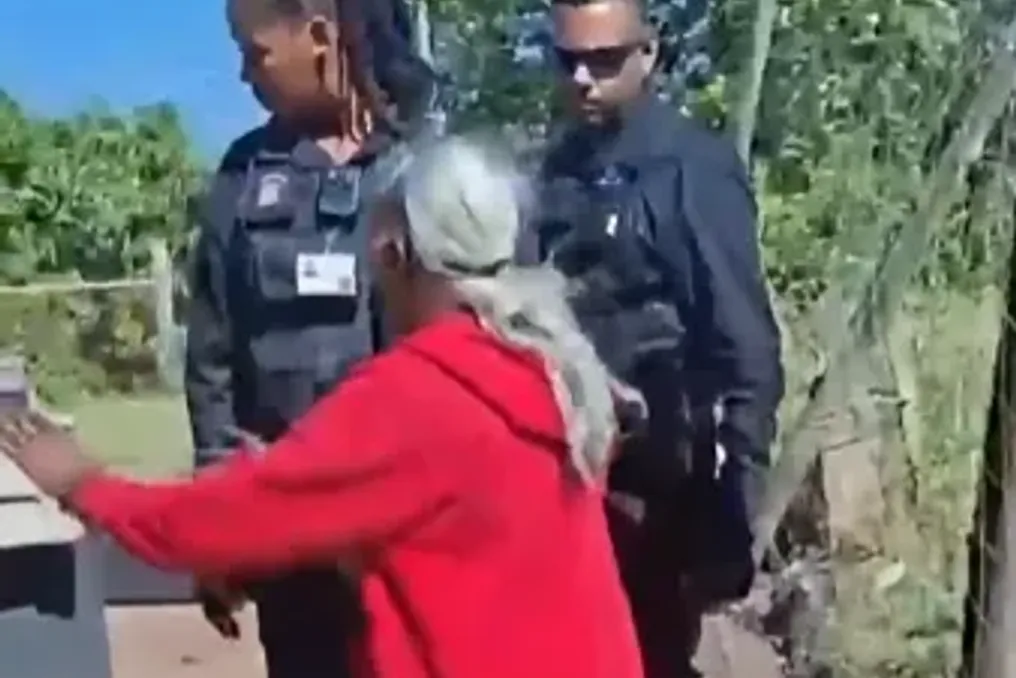
A recent account by an elderly woman from Tongata, who claimed she jumped out of a window because four 'tokoloshes' set her bed on fire, has sparked a discussion about cultural beliefs, spirituality, fear, and the exploitation of vulnerable segments of society.
Reaction Unit SA (RUSA) security personnel were notified of the incident after the house of the 74-year-old woman in Parkgate caught fire on Thursday. The head of RUSA, Prem Balram, reported that the elderly woman mentioned seeing strange men in the dwelling, as well as unexplained footprints and handprints allegedly found on the walls and ceiling.
He conveyed that the woman told officers she was forced to leave the house through the window after four 'koloshes' supposedly set her bed ablaze. At the time, her adult son was also in the house and left the property before contacting RUSA for help. Subsequently, officers repeatedly visited the residence following reports that strange men were allegedly standing at the gates.
Balram noted that when officers arrived at the house, no one was at the gate. The elderly woman pointed to salt she had placed at various entrances and exits of the dwelling, believing it would ward off evil.
Dr. Rajendran Govender, a social anthropologist and Commissioner of the CRL Rights Commission, stated that fear associated with supernatural beliefs should be treated with compassion, but warned against the possibility of vulnerable people being exploited by spiritual charlatans.
In his view, the key question is not the existence of 'tokoloshes,' but how society should react when people sincerely believe they are being troubled by supernatural forces, and how to protect society from unscrupulous individuals who use these fears for financial gain.
Govender explained that the koloshe holds an important place in the folklore and spiritual traditions of several South African communities. Traditionally, it is described as a small, mischievous, and sometimes malevolent supernatural creature believed to cause distress, disrupt sleep, and, according to some accounts, inflict harm. Some traditions link it to witchcraft, envy, and ill will.
These narratives have been passed down through generations via oral traditions and family teachings, becoming part of a rich local cultural heritage. As a social anthropologist, he believes it is important to distinguish between the cultural reality of belief and the scientific confirmation of the phenomenon itself. He emphasized that the koloshe undoubtedly exists as a powerful cultural concept, but there is no credible scientific evidence of its physical existence, which does not mean those who believe in encountering it should be ridiculed.
Govender added that for those who believe in encountering the koloshe, their fear and distress can be absolutely real, regardless of the true cause. He cited the example of an elderly woman living alone who hears unexplained noises, experiences sleep disturbances, or sees unusual shadows. Having grown up in a cultural environment where the koloshe is a possible explanation, she may naturally interpret these experiences through this belief system.
However, he reminded that other explanations must also be considered: sleep paralysis, anxiety, poor lighting, medication side effects, vision problems, and certain medical conditions can cause frightening sensations. In the elderly, infections or other treatable conditions can also cause confusion or unusual perceptions. Responsibility requires neither asserting the presence of supernatural forces nor completely denying a person's experience, but rather compassionate listening and investigation into possible causes.
The greatest concern is the emergence of individuals claiming to have extraordinary abilities to identify, capture, or expel supernatural entities. He cautioned that a person who believes the koloshe is tormenting them may desperately seek relief, and urged people to beware of those who present themselves as traditional healers and offer to rid them of the koloshe for payment or material goods.
Scam tactics may claim that a jealous neighbor or relative sent the creature, insisting on the urgent need for expensive cleansing ceremonies or sacrifices. An initial consultation fee can escalate into repeated payments, with each failed intervention allegedly revealing an even more powerful evil force. In extreme cases, victims give away their savings, incur debt, or sell property in pursuit of the promised spiritual resolution.
When fear becomes a commodity, spirituality turns into a tool of exploitation. The public must recognize signs of danger: practices that guarantee supernatural results, require immediate payment under threat of death or misfortune, constantly demand extra money, or insist on secrecy, should raise serious suspicion. Equally alarming are those who obstruct medical treatment, isolate clients from family, or accuse innocent neighbors of witchcraft.
Govender strongly urged the elderly woman from Tongata and others experiencing similar fears to avoid panic or hasty financial commitments. He advised them to speak with trusted family members or community leaders, investigate possible domestic causes of distress, or seek medical help for unusual perceptions, confusion, or constant anxiety. Those seeking spiritual comfort should turn to authoritative religious leaders or traditional practitioners.
He concluded that individuals who feel they have been deceived, threatened, or financially exploited by fraudulent spiritual healers should report their experience to the police. No one should be ashamed to report exploitation arising from deeply rooted cultural or religious beliefs. The police investigate criminal behavior related to such practices, not the existence of supernatural beings. Victims should keep receipts, proof of payment, WhatsApp messages, advertisements, and threatening correspondence. Govender stressed: belief in spiritual forces is not a crime; exploiting that belief through fraud, threats, or intimidation is.