The proposed restructuring of electricity tariffs by Eskom has drawn sharp disagreement from civil society, political representatives, and local authorities. Participants in the public hearings warned that financially struggling households could bear a disproportionately large share of the costs.
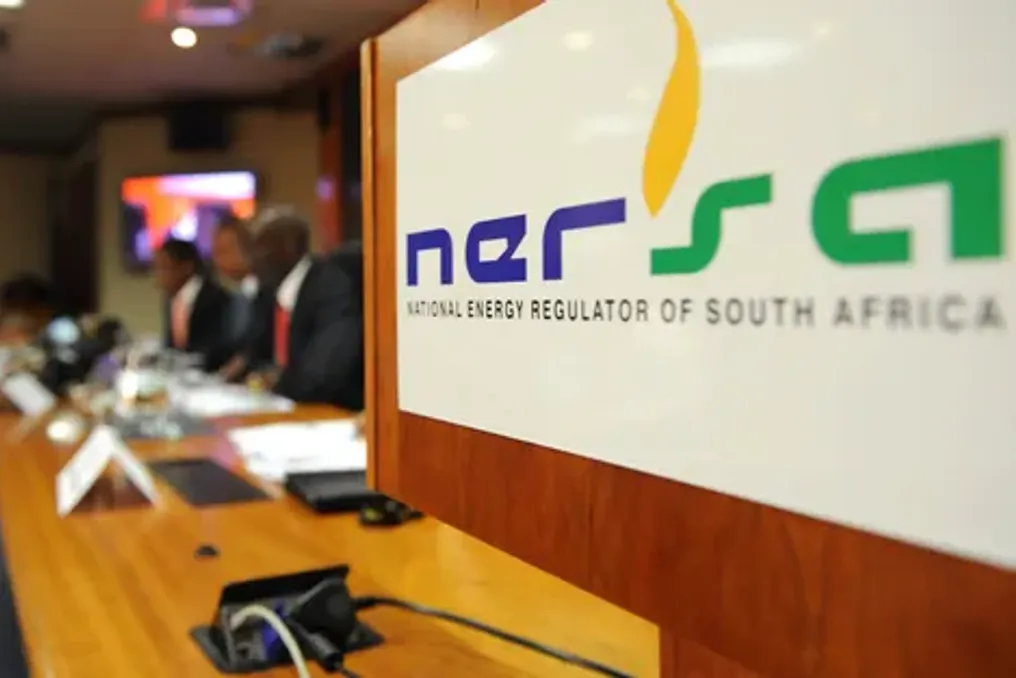
During a virtual public hearing organized by the National Energy Regulator of South Africa (NERSA), stakeholders questioned whether the proposed changes would lead to reduced electricity affordability for families already grappling with the rising cost of living.
Speakers cautioned that the consequences could extend beyond monthly electricity bills, affecting vulnerable families, pensioners, businesses, and the economy as a whole. While Eskom defended its proposed tariff structure, opponents argued that the method of cost recovery was as significant as the size of the increase itself.
Sabelo Chalufu, founder and director of the Better Governance Initiative (BGI), demanded that NERSA reject Eskom's application. He insisted that the regulator must thoroughly examine the proposal rather than simply approving another hike.
Chalufu reported that his organization had gathered 18,206 signatures on a petition against the proposed increase. Furthermore, he cited a BGI survey involving 83 respondents, which showed that electricity accounts for approximately 45% of income among households earning less than R5,000 per month.
He emphasized: 'This is not a formality exercise where Eskom just asks for an increase, and NERSA approves it merely because it granted a multi-year increase previously.'
The City of Cape Town also expressed concern over affordability, warning that further pressure on electricity costs could undermine efforts to support vulnerable residents and stimulate economic growth.
Chelsea Van Schalkwyk, the city's senior professional officer for pricing and regulation, stated that households are forced to make difficult choices between paying for electricity and other necessities. She noted: 'Chairperson, this is the reality for millions of South Africans, and we ask that affordability be central to the definition of retail tariff regulation adopted by NERSA.'
Van Schalkwyk warned that increasing electricity unaffordability could negatively impact employment and economic participation, even in areas where efforts have been made to connect households to the grid. She added: 'As long as we face these unsustainable tariff increases, our economy will not grow. We will shut out millions of people from opportunities, and despite our efforts to officially electrify them, they will remain in darkness because electricity will remain prohibitively expensive for them.'
Desmond D'Sa, an environmental justice activist and coordinator of the South Durban Community Environmental Alliance (SDCE), highlighted the challenges faced by poor communities and vulnerable electricity consumers. He questioned whether the realities of households unable to afford electricity were being taken into account.
He raised issues regarding load shedding, prepaid meter costs, and safety concerns associated with living without reliable power supply. D'Sa stated: 'The law is being used to wage war against poor people. This must stop, and you, NERSA, have the opportunity to do so.'
He also emphasized the impact of poorly lit streets and alleys on women's safety, arguing that electricity affordability has consequences extending beyond individual household finances. He observed: 'We are seeing what is happening to women right now. Women suffer the most because they have to walk through dark roads and alleys at night when streetlights are not working.'
Funzi Ngobeni from ActionSA, a Member of Parliament, questioned whether Eskom's proposed structure would place a heavier proportional burden on low-consumption households. He asked: 'Why should a household using less electricity face a higher percentage increase than one that uses significantly more?'
He added: 'The existence of costs does not automatically mean that any method of recovering them is a fair one.'
Morne Mostert from AfriForum also warned that shifting a larger portion of costs into fixed charges could disproportionately affect low-income households. He suggested that this might prompt consumers who can afford alternatives to reduce their reliance on Eskom. He explained: 'If prices continue to rise, and even if Eskom then shifts most of these costs forward, it will influence what some users say, and it is already happening, that we no longer want to buy electricity from Eskom because it is still expensive, or rather, there are alternatives, and for each user, it may be more economically viable to invest more in renewable energy and other forms of generation.'
Responding to the concerns raised during the hearings, Muzi Mhize from NERSA cautioned that decisions outside existing policies and laws could expose the regulator to legal action. He stated: 'In some cases, we find ourselves outside what our policies and laws permit, to such an extent that we are dragged into court later, and we lose there.'
Eskom representative Kgabo Ratogo defended the application, explaining that it is part of a phased introduction of service fixed payments for Home Power and Home Flex tariffs. She reported that the changes include corresponding reductions in per-unit energy rates intended to offset the adjustment in service charges.
If NERSA approves these changes, the proposed tariff adjustment will take effect for direct Eskom customers on April 1, 2027. Municipal customers will see these changes starting July 1, 2027.