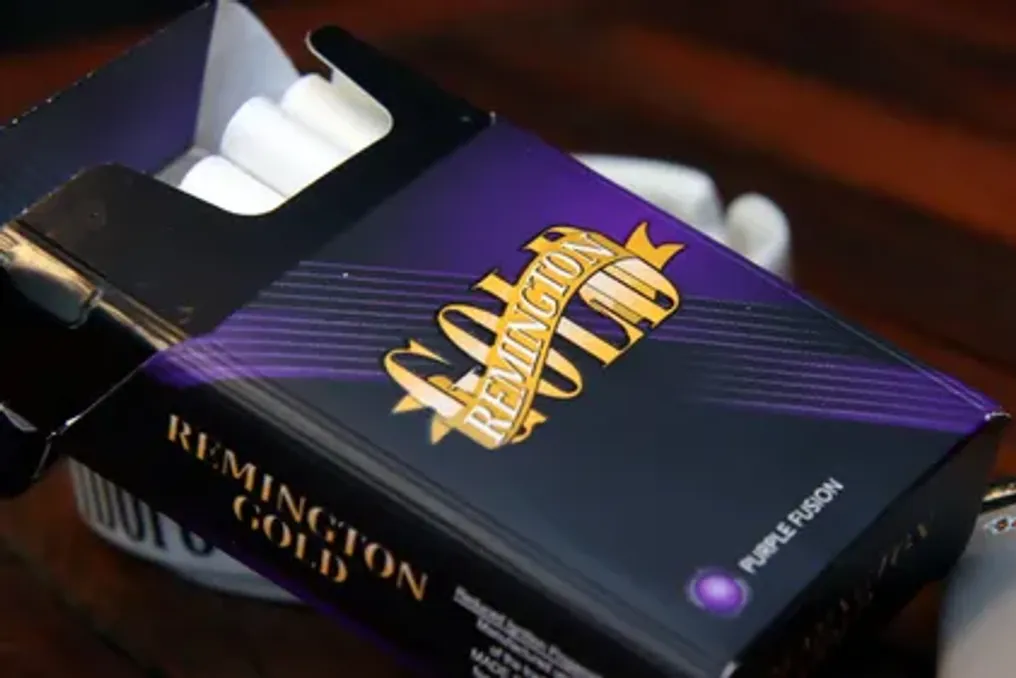
According to data from Ipsos, cited by the British American Tobacco South Africa (BATSA), cigarettes sold below the taxes due per pack are available in approximately three-quarters of surveyed stores in South Africa. The Ipsos study found that cigarette brands priced below the minimum collected tax of R27.12 per pack were present in about 75% of surveyed points, while packs costing less than R20 were found in nearly 65%.
BATSA argues that these results demonstrate the widespread presence of illicit tobacco and calls for the introduction of a mandatory minimum retail price of R38 per pack. This means that offerings currently sold at R20 can no longer be legally sold at that price, regardless of whether the manufacturer has paid the relevant taxes.
Lack of Consequences
However, the retail price of a cigarette itself is not conclusive proof of tax evasion. BATSA also notes that its recent study indicates that manufacturers of low-budget brands are increasing production volumes in price categories below the minimum collected tax.
Johnny Moloto, Head of Corporate and Regulatory Affairs for BATSA in Sub-Saharan Africa, stated that this data suggests that manufacturers of smuggled cigarettes continue to operate without sufficient consequences. Moloto noted: 'These results show that although the President acknowledged the threat of illegal tobacco trade and signaled the government's intention to address the issue, smugglers continue to operate with impunity, openly selling their brands cheaper than the taxes due per pack.'
BATSA estimates the damage from illicit tobacco to South Africa at approximately R30 billion annually in lost excise revenue. An independent study claims this figure is higher: a 2026 Econometrix and Oxford Economics study estimated direct tax losses at R31.4 billion in 2024. These losses included about R25.7 billion in unpaid excise duties and R5.3 billion in unpaid VAT, with smuggled products accounting for approximately 66% of total factory-produced cigarette consumption.
Closed Doors
The company explains its decision to close its manufacturing facility in South Africa earlier this year due to the expansion of illicit cigarette sales. Moloto believes that establishing a minimum retail price will simplify law enforcement by creating a clear threshold below which cigarettes cannot be legally sold.
He added that currently, identifying illicit products requires studying several different pieces of legislation jointly, necessitating the involvement of specialists from other state structures and the SAPS police just to determine the product's status.
Furthermore, BATSA wishes to revoke manufacturing licenses from companies that have been repeatedly found to underreport production or evade taxes.
SARS Approval
The proposal previously received support from the South African Revenue Service (SARS). During a presentation to the Parliamentary Committee on Health on October 23, 2025, SARS described minimum pricing as a measure that could reduce sales below the set price and disrupt the illegal market economy, making it less profitable.
The Revenue Service maintained that setting a price floor does not in itself prove whether applicable taxes were paid. BATSA's campaign against illicit cigarettes also takes place amid allegations concerning the company's own anti-illicit trade activities.
Tobacco Wars
Former SARS investigator Johan van Loggerenberg explored allegations related to the tobacco industry, including BATSA, in his book 'Tobacco Wars,' which detailed disputes over intelligence gathering, law enforcement, and competition among cigarette manufacturers.
BATSA previously rejected allegations regarding its historical anti-illicit trade activities. In a statement released on September 13, 2021, the company stated: 'We firmly reject the misrepresentation of our conduct by certain media outlets.'
BATSA insisted that its activities were aimed at assisting law enforcement agencies in combating illicit tobacco, noting that the UK Serious Fraud Office concluded its investigation without bringing charges. This statement was made five years before the latest Ipsos data and was not a response to the October 2026 study.