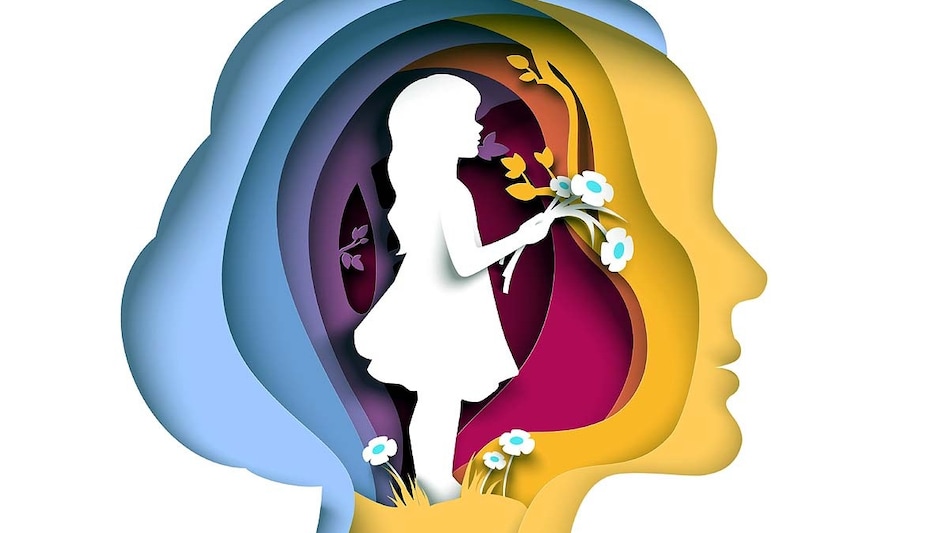
Most people find it difficult to recall events from the first three or four years of life; for example, their third birthday, first home, or any other significant moments from that age. In science, this phenomenon is called childhood amnesia. Studies show that children are capable of forming memories, but it becomes harder to retrieve them with age.
In a study conducted in 2025, scientists scanned the brains of young children. It was found that memory formation activity begins in the hippocampus around one year of life. This indicates the ability of young children's brains to create memories, although access to these early memories may become difficult over time.
According to research, most people remember only a small number of personal events that occurred before the age of three or four. After this age, memories begin to become clearer. The lack of early childhood memories is considered part of childhood amnesia.
During this period, a child's brain undergoes a very rapid process of development. The hippocampus plays a key role in memory creation, while the child simultaneously learns language, understanding the surrounding world, and the ability to connect events. All these changes affect memory.
In one study, scientists interviewed three-year-old children about certain important events. When asked the same questions later, between the ages of five and nine, children aged five, six, and seven could recall 60 percent or more of the events. However, at the ages of eight and nine, this figure dropped below 40 percent.
This indicates that childhood memories do not disappear suddenly. With age, they gradually become harder to recall. Another study also showed that early memories of young children can change over time, and many of them are subsequently forgotten.
The 2025 study revealed memory-related activity in the hippocampus of one-year-old children. This proves that the brain works on memory formation even at a very early age. Nevertheless, the brain constantly changes during childhood. The child's abilities in language, thinking, and understanding also develop rapidly. Changes occur in the memory system during this period, making it difficult to reproduce some childhood memories in adulthood.
No, it is not like that. Some people may remember certain events that occurred before the age of three, although such memories are usually rare. Sometimes a photograph, place, sound, or family story can remind one of an old childhood event.
Therefore, if you do not remember most of the events of your third or fourth birthday, there is no need to worry. Your brain was also forming memories at that time. It is simply that the way to access these early memories has changed with age. This is why the first years of life often remain hazy in our memory.