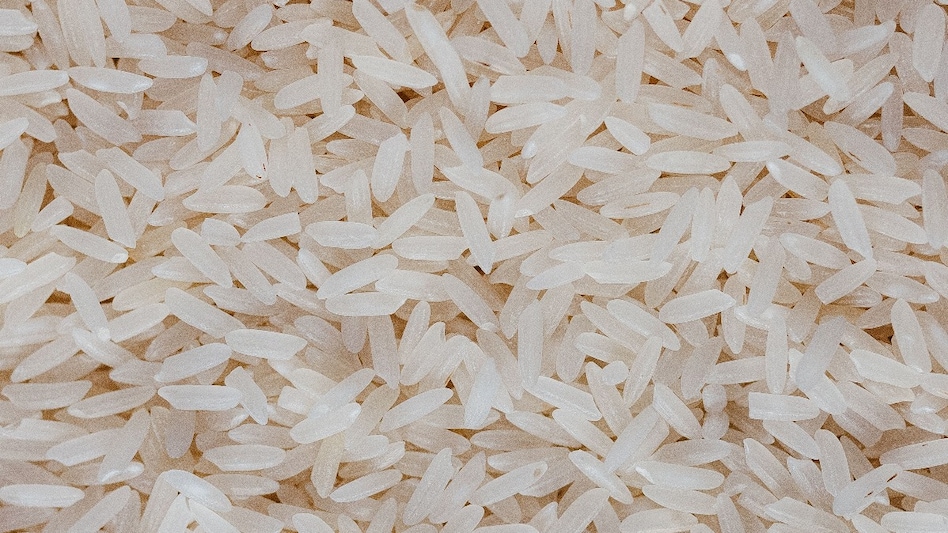
The Indian Army launched the 'Bharat Rice' program on Monday with the aim of providing soldiers with higher quality rice. This initiative is designed to enhance the standards of food received by the army and to simplify the delivery of provisions to soldiers stationed in remote areas.
The Ministry of Defence reported that under this program, army rice supplies will be managed through NAFED in the financial year 2026-27. The Army's Directorate General of Supply and Transport has taken responsibility for implementing this project. This step was taken considering the suggestions and needs of the soldiers themselves, and the rice will be prepared according to established standards, undergoing thorough checks for impurities, dirt, as well as minimizing the quantity of broken, damaged, or discolored grains.
In this regard, a Memorandum of Understanding (MoU) was signed between the Indian Army and the Food Corporation of India (FCI). The agreement aims to ensure the army's ability to utilize FCI's warehouses, storage facilities, workforce, and equipment for handling cargo during military operations and emergencies.
According to the Ministry of Defence, high-quality rice will now be delivered directly to army supply depots, including distant regions such as Ladakh and the Northeast. This will reduce the need for army depots to independently purchase rice from local FCI centers and make the transportation process more convenient. The rice will be procured in 10 and 30-kilogram bags, which will facilitate the delivery and handling of provisions, especially at forward posts.
Defence Minister Rajnath Singh called 'Bharat Rice' a symbol of trust, tracing its journey from the farmer's field to the soldier's plate. He emphasized that this initiative embodies the spirit of 'Jai Jawan, Jai Kisan' (Glory to the Soldier, Glory to the Farmer). When grain produced by the labor of a farmer becomes the strength of a soldier, it reflects the nation's collective commitment.
The Defence Minister noted that soldiers will be provided with high-quality, standard-compliant rice, and the convenience of its packaging will also be improved. He added that while this initiative may seem minor, it will bring significant relief to soldiers delivering food to difficult and challenging areas. He specifically highlighted that soldiers' combat readiness depends not only on weaponry; their physical health, mental state, morale, and endurance are also immensely important, especially when they are defending the country under extremely harsh conditions.
Rajnath Singh stated that the welfare of soldiers is an integral part of national security. Nutritious food, better equipment, and proper training boost the morale of servicemen and prepare them for any challenges.
The Defence Minister stressed that in modern warfare, decisive factors are not just weapons, military platforms, and technology, but also the supply system. The supply chain, warehousing capacity, transport network, depot facilities, and timely availability of goods can influence the outcome of military actions. He mentioned lessons learned from Operation Sindoor, noting that in future conflicts, warning time could be very short. Under such circumstances, the army must be ready for situations arising without prior notice. Alongside the increasing use of technology, maintaining a long-term supply system can become a serious challenge.
In Rajnath Singh's view, in such circumstances, it is crucial to make the supply system reliable and flexible. The agreement with FCI is a significant step in this direction. The Defence Minister informed that FCI possesses warehouses, storage centers, modern silos, cargo handling equipment, and trained personnel across the country. These resources can be utilized to strengthen the army's supply system when necessary.
He emphasized that this initiative serves as an example of utilizing existing national resources in line with national security needs. Under this cooperation, the same infrastructure can be used for both civilian and military purposes. The Defence Minister cited examples where military aircraft land on expressways, and roads and bridges built by the road construction department are used by local residents. Similarly, FCI warehouses will not be limited to storing food but will become an important part of the Indian Army's supply chain. He concluded that such a system will ensure more efficient resource utilization, save time, and strengthen the country's ability to cope with emergencies. This agreement represents not only an administrative decision but also a step towards strengthening the army's combat readiness, reflecting the collective effort of the government and the entire nation.
According to the Ministry of Defence, approximately 18 months of joint work by the Indian Army, FCI, NAFED, and the Department of Food and Public Distribution went into preparing for the launch of the 'Bharat Rice' program. This agreement with FCI is linked to Operation Sindoor and other events.