The upcoming increase in electricity costs has caused sharp dissatisfaction among representatives of civil society, political figures, and local authorities. They warn that households facing financial difficulties may bear a disproportionately large burden as a result of the tariff restructuring proposed by Eskom.
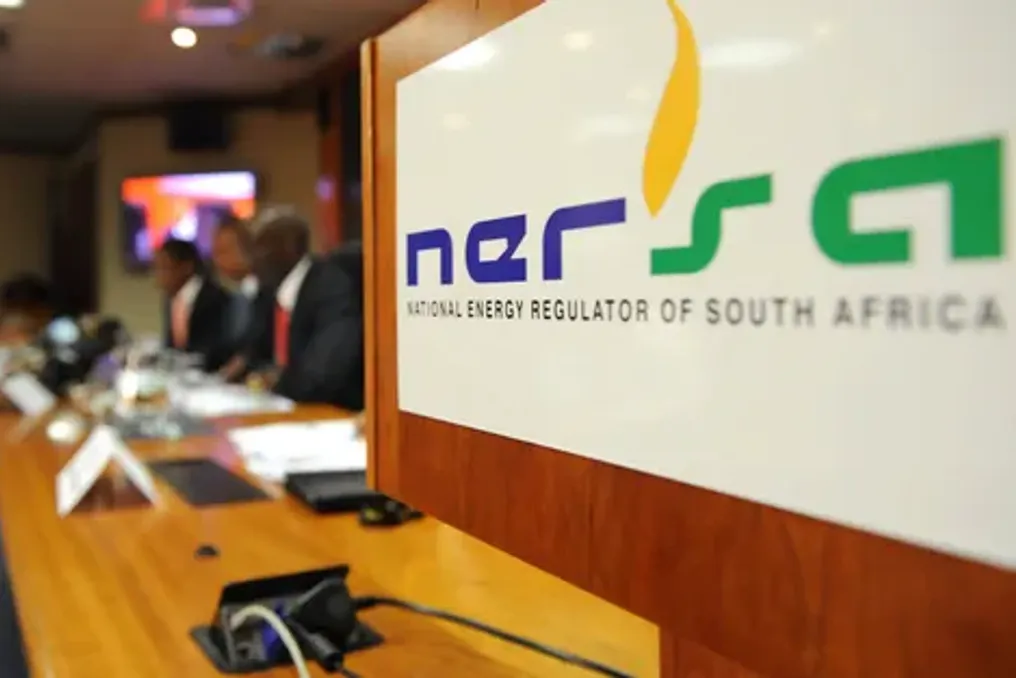
These concerns were voiced during a virtual public hearing organized by the National Energy Regulator of South Africa (NERSA) on Thursday. Participants questioned whether the proposed changes would lead to reduced electricity accessibility for households already struggling with the rising cost of living.
Speakers warned that the consequences could extend beyond monthly electricity bills, affecting vulnerable families, pensioners, businesses, and the country's broader economic prospects. Although Eskom defends its proposed tariff structure, opponents argue that the method of cost recovery is as important as the increase itself.
Sabelo Chalufu, founder and director of the Better Governance Initiative (BGI), called on NERSA to reject Eskom's application. He insisted that the regulator must thoroughly examine this proposal rather than simply approving another hike. Chalufu reported that his organization has collected 18,206 signatures on a petition against the proposed increase. Furthermore, he cited BGI survey results involving 83 respondents, which showed that electricity accounts for about 45% of income among households earning less than 5,000 rand per month.
He emphasized that this should not be a formality where Eskom merely requests an increase and NERSA approves it just because it previously approved a multi-year increase.
The City of Cape Town also expressed concern over affordability, warning that further pressure on electricity costs could undermine efforts to support vulnerable residents and stimulate economic growth. Chelsea van Schalkwyk, the city's senior professional officer for pricing and regulation, stated that households are forced to make difficult choices between paying for electricity and other essential necessities.