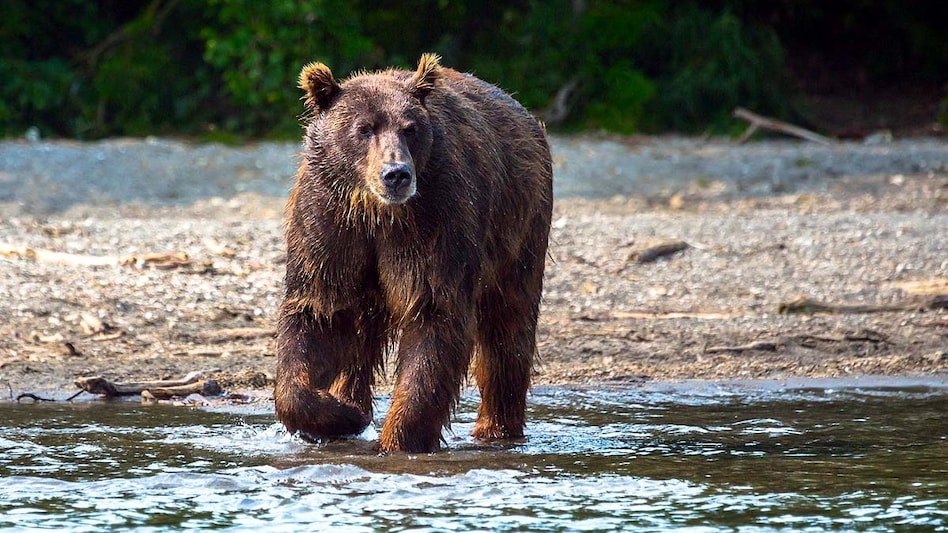
In Russia, from the beginning of 2026 to early October, about 3500 bears have been killed. The largest portion of these animals was destroyed in Siberia and in remote eastern regions of Russia. According to regional authorities and publicly available statistics, about 2200 bears died in Siberia, and over 1100 in the Far East.
These figures indicate that measures are being taken to eliminate bears in many regions of Russia. This year, cases of bears appearing in populated areas and attacks on people have increased in Russia, some of which have resulted in human fatalities. In such cases, actions were taken to eliminate bears posing a threat to humans. Concern is growing regarding the increase in bear populations and ensuring public safety.
Approximately 2200 bears were killed in the Siberian region. Among them, the highest number—898 individuals—was in Krasnoyarsk Krai, followed by 414 in Irkutsk Oblast, 263 in Tuva, and 204 in Khakassia. More than 1100 bears were killed in the remote eastern regions of Russia, including 356 in Buryatia and 207 in Kamchatka. All this data pertains to the period from the beginning of 2026 to the first week of October.
Cases of bears entering human settlements are recorded in various regions of Russia. Some bears attacked people, leading to their deaths. In such situations, authorities decided to eliminate animals considered dangerous to people. Encounters with bears can pose a threat to both local residents and tourists near forests. Bears usually roam in search of food, but approaching residential areas increases the risk of confrontation between humans and animals.
One of the main reasons for bears appearing in populated areas may be a lack of food. When there are few fruits, berries, and other edible plants in the forests, bears begin to look for sustenance elsewhere. During this search, they may reach villages and cities. Open waste and leftover food left by people also attract bears. If an animal finds a food source in a specific place, it may return there again. Changes in weather and drought can also affect food availability in the forests.
The population of brown bears in Russia is quite large. According to official data, the number of these animals is about 308 thousand individuals. Over the last thirty years, their population has more than doubled. In light of the growing number of bears and attacks on people, new measures are being considered in Russia. These include changes to bear hunting regulations and controlling animal numbers in different areas.
Nevertheless, eliminating bears is not the only solution to this problem. It is important to understand the issue of food scarcity in the forests, not leave garbage exposed, and inform people about methods of protection against bears. Bears are part of the natural balance of the forest, so besides ensuring human safety, these animals must be preserved. To do this, measures should be taken to reduce the probability of encounters between humans and bears.