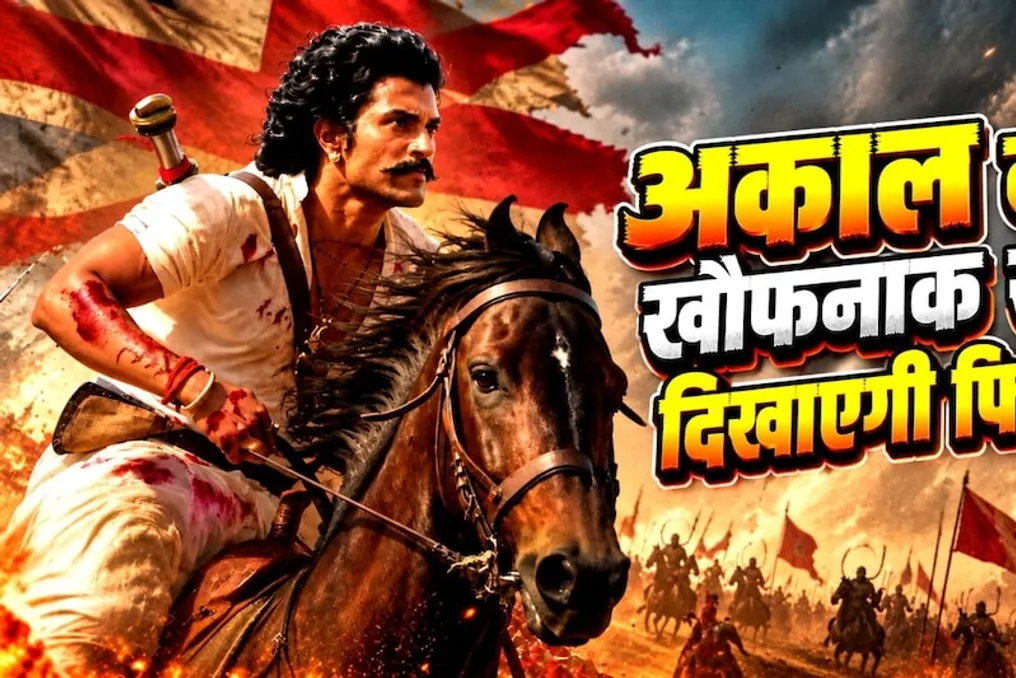
The historical picture 'Ranbaali,' starring South Indian cinema stars Vijay Deverakonda and Rashmika Mandanna, is not just a story of a warrior but also reflects a painful period in Indian history under British rule, when millions perished due to drought, famine, and harsh government policies.
These actors will appear on the big screen together again. Their historical film 'Ranbaali' is scheduled for release in theaters on October 16, 2026. The film's plot is based on the terrible famine that occurred between 1876 and 1878 during British rule. Six key moments of this period are presented below that will make viewers reflect.
Between 1876 and 1878, vast territories of India faced severe drought, known as the Great Famine or Madras Famine. This crisis affected many regions of South and West India. The lack of rain led to dried-up fields and crop failure, which collapsed the incomes of farming families. The situation became so dire that securing two meals became a serious problem for the population.
The Rayalsem district, now part of Andhra Pradesh, was one of the hardest hit by this famine. Persistent drought weakened agriculture, and the monsoon failure in 1876 worsened the situation. In addition to food shortages, diseases also exacerbated people's difficulties. According to The Better India report, it is estimated that about seven hundred thousand people died in Rayalsem.
The exact number of deaths resulting from this famine remains a subject of debate among historians due to differences in geographical scope and time frames in various reports. The trailer for 'Ranbaali' mentions eight million deaths. Some historical accounts point to over ten million victims, while BBC estimates suggest that around 40–50 million people died in the Madras Famine.
Regardless of the discrepancies in figures, it is evident that this was one of the largest human tragedies of the era of British dominance.
Although the primary cause of the famine was drought and crop destruction, questions were also raised about the role of British government economic policy in exacerbating the situation. Historical data indicates that despite the food shortage, grain exports continued. Furthermore, government policy emphasized grain supply through market mechanisms. Critics argued that there was insufficient state intervention to deliver food to those in need.
Thus, the problem was not only the grain deficit but also what steps were taken to feed the starving.
Aid efforts during the famine faced significant criticism from the British administration. Sir Richard Temple supervised the aid system and implemented strict measures to control government spending. According to historical records, strict limitations were placed on food distributed in relief camps. Some testimonies indicate that the food provided to famine victims sometimes contained fewer calories than that given to prisoners in colonial jails. Even the relief camps were not always adequate support for people struggling with starvation.
During the famine, people did not remain passive. Historical records mention instances where villagers protested tax collection, seized grain reserves, and participated in local uprisings. British officials viewed such actions as crimes or rebellion. However, in some local traditions and folklore of Rayalsem, these people are remembered as defenders of their community. It was a period when voices of protest sounded amidst despair and hunger.
'Ranbaali,' scripted by Rahul Sankrityayan, features Vijay Deverakonda in the lead role, with Rashmika Mandanna playing his wife, Jayma. The film is produced by Maitri Movie Makers. The plot revolves around a warrior who resists British authority and tries to protect his people. This makes the film not just an action movie, but a historical drama connected to the struggle in the colonial era and the suffering of ordinary people.
Audiences expect 'Ranbaali,' releasing on October 16, 2026, to present this painful historical era, the story of the fight against famine, and protests on the big screen.