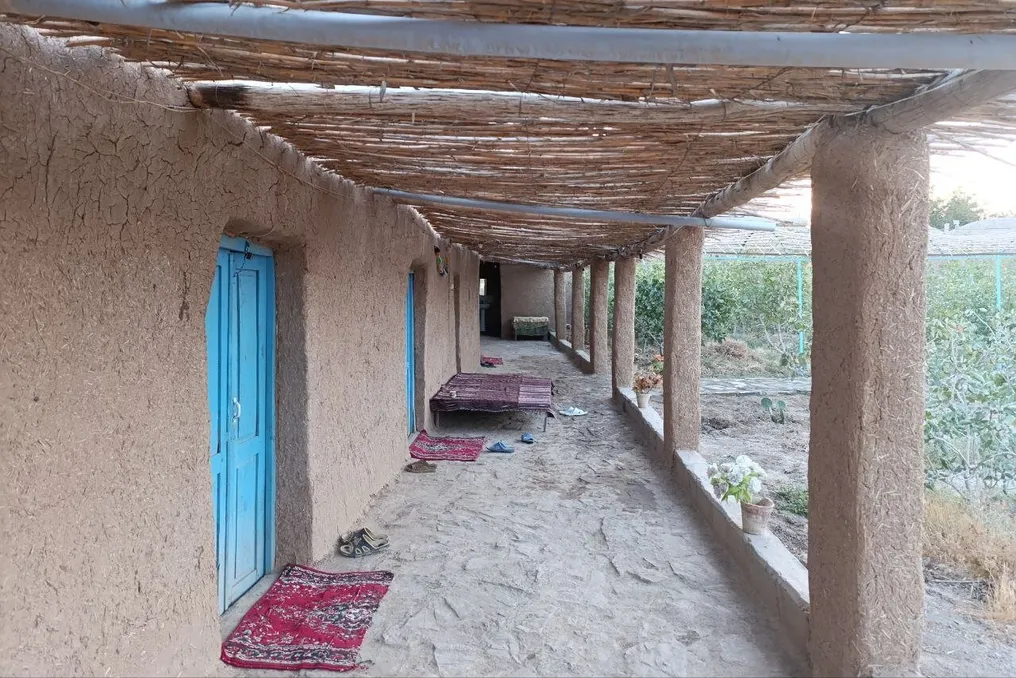
Jajarm, located in North Khorasan province, offers a tranquil rural setting, a historic railway station, and proximity to protected natural areas, giving it the potential to be an affordable alternative to more bustling tourist destinations in Iran. However, poor railway conditions, limited ticket availability, and a lack of visitor services remain serious obstacles to turning this potential into a thriving tourist center.
Jajarm is situated approximately 165 kilometers from Bojnurd, the capital of North Khorasan province, in northeastern Iran. Here, one can experience rural life and a slower pace of travel while avoiding the high costs associated with more developed tourist centers.
One of the region's distinctive attractions is the Jajarm railway station—a historic building that serves as the province's only operational passenger rail link to Iran's national railway network. According to its glazed brick tiles, the station's history dates back to 1930, and in 2019, it was included in Iran's national industrial heritage list.
Built during the early Pahlavi period, the structure measures about 33 by 15.9 meters and features a stone facade and turquoise mosaic. It was formerly part of a larger complex for railway workers, of which only the station's administrative building and reservoir remain.
Beyond its architectural significance, the station could play a more significant role in connecting visitors with the region's rural communities and natural attractions.
Rural Village near the Railway Station
The nearby Railway Station Village, named after the station itself, has been experiencing decades of depopulation. According to local data, its population has dropped from approximately 800 people two or three decades ago to around 230 residents across 70 households. Many former railway workers and their families moved to cities such as Jajarm, Shahroud, and Semnan upon retirement, while some residents continue to commute between the village and larger urban centers.
Recent local tourism development efforts have brought hope to this settlement. In August 2025, the 'Fanous Qavir Abrisham' ecotourism complex opened after receiving operating permits. It was described as the second licensed ecotourism hotel in the Jajarm district and created direct employment opportunities for some local residents. Local initiatives to train residents and promote small-scale tourism have also helped stimulate interest in returning to the village.
The complex is designed to accommodate guests arriving by train as well as those exploring the surrounding area. The village's location near Turan National Park and the Miandasht Reserve, known for being a habitat for the endangered Asiatic cheetah, also provides opportunities for ecotourism. For budget travelers, such accommodation and local tourism services can offer a way to explore less visited parts of northeastern Iran while supporting agriculture.
However, the availability of affordable lodging is not enough to make this area an accessible destination.
Service Issues at the Railway Station
Despite its historical importance and tourism potential, the Jajarm railway station faces serious infrastructure and service challenges. Field reports indicate that the passenger platform is heavily damaged: sections of the concrete surface are crumbling into sand and soil. The station building and equipment also require repair, and inadequate nighttime lighting and the absence of basic amenities like a restaurant and shop make waiting for trains inconvenient.
Ticket accessibility is another major problem. Passenger quotas are limited, and travelers may need to book tickets one or two months in advance. Trains passing through the station stop only briefly, limiting visitors' ability to plan trips around the rail connection.
Ebrahim Ahavan, head of the Jajarm City Council, stated in an interview with the Tehran Times that the station lacks adequate passenger facilities and suitable waiting areas, despite being the province's only operational passenger rail link to the national network.
Local officials and tourism advocates have also expressed concerns about safety around the station, including insufficient lighting and the absence of a properly staffed police post.
The limited reach of the railway network exacerbates the issue. Although there are other stations along the line serving the areas of Isfaraen and Sanhavast, they do not provide comparable access or services for passengers. Consequently, residents throughout North Khorasan often have to take a bus to Jajarm before boarding a train.
Local representatives are demanding repairs to the platform and station building, increased ticket availability, additional train stops, as well as better lighting and security. They have also proposed the creation of food and beverage outlets, kiosks selling local handicrafts and souvenirs, and a local rail connection linking Jajarm with Tehran and Mashhad.
Jajarm's ancient underground cistern, locally known as Ab-Anbar, provides insight into the city's traditional water management system, according to Ahavan. He reported that spring water was distributed through canals and channels to the cistern, public baths, gardens, and agricultural fields, linking water storage with daily urban life and farming.
From Transit Point to Tourist Gateway
Improving the station could benefit both residents and potential visitors. Easier rail access would simplify the planning of short rural vacations, and additional stops and reliable ticket availability would help tour operators develop rail-based itineraries connecting Jajarm's historical sites, villages, and nearby natural areas.
Even minor improvements could create opportunities for local businesses, ranging from ecotourism accommodation and food services to the sale of handicrafts and tours. Nevertheless, Jajarm's tourism prospects depend on more than just railway repairs. Transforming the area into a recognized destination will require coordinated planning, reliable transport, adequate visitor services, and sustainable collaboration among government bodies, local communities, and private businesses.
Currently, Jajarm remains an option for travelers willing to step outside established tourist routes, especially those interested in rural experiences and a quieter atmosphere. Its historic station and surrounding natural assets lay the foundation for tourism development, but limited transport capacity and deteriorating infrastructure continue to stand between this promise and becoming an accessible destination. With improved rail services and modest investment in local facilities, Jajarm could become a practical, budget gateway to North Khorasan. Without this, the province risks missing the opportunity to turn its railway connection and rural character into long-term economic benefits for its communities.