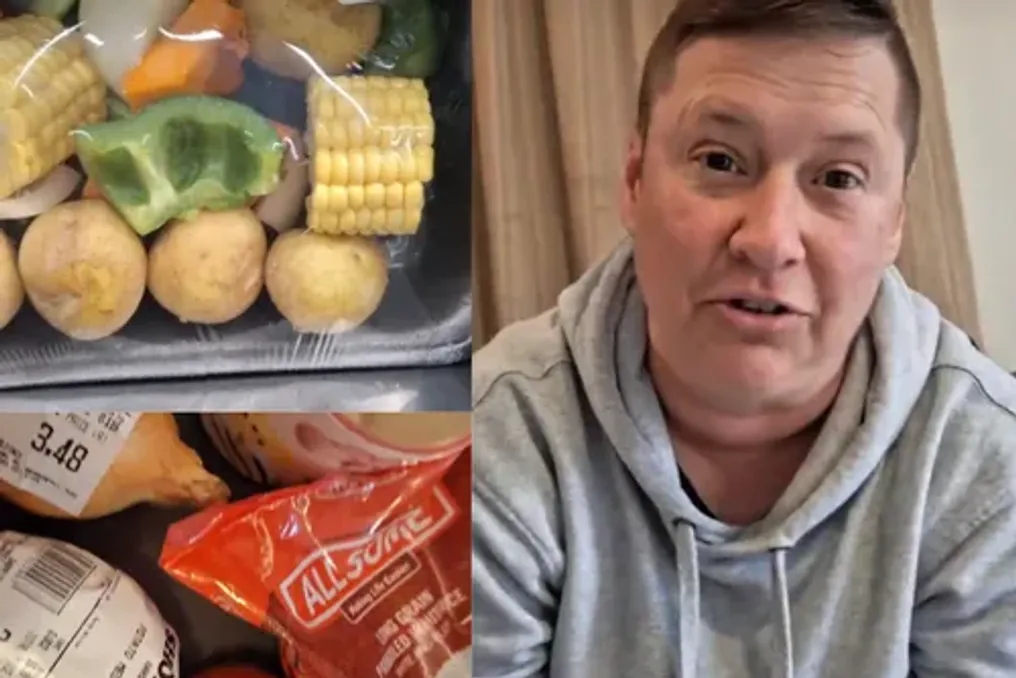
What started as preparing a budget meal for two costing R40 has turned into a mission to assist needy residents of South Africa with nutrition. Olivia Vilgatzis, known as Olive Foodie, shares how her initiative and affordable recipes help people cope with financial difficulties.
Living in Richwood, Cape Town, Vilgatzis cooks in her kitchen. She never expected her home culinary creations to resonate so deeply with pensioners, students, young adults, and families struggling to cover expenses.
However, after publishing the first budget meal for R40 for two, the reaction from followers was overwhelming. These comments made her realize that even such a simple activity as cooking can have a significant impact on people's lives.
Vilgatzis noted: «It all started when I cooked my first budget meal for R40 for two people. The reaction I received from my followers was simply amazing. Pensioners, young people, families in difficult situations, and especially students loved these dishes. That's when I realized that sharing what I cook has a positive influence on people with limited budgets.»
What began as an exchange of recipes has transformed into a platform based on accessibility, compassion, and the understanding that food is more than just satisfying hunger. For Vilgatzis, cooking is a source of joy, but it also serves as a reminder that even during periods of severe financial pressure, small changes can ease daily life.
A Meal That Makes a Difference
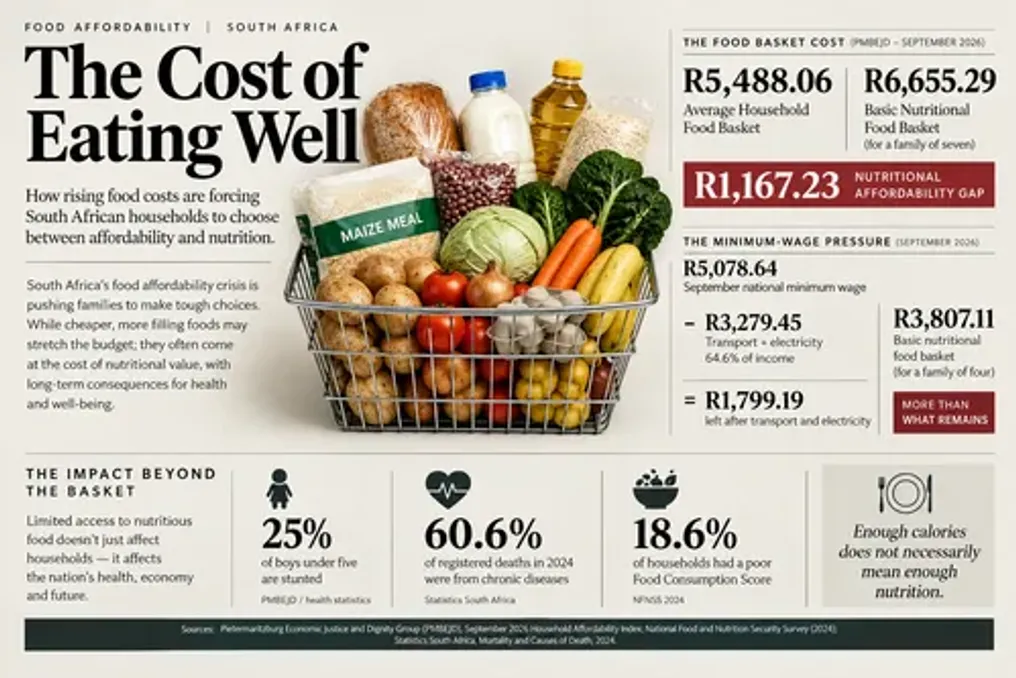
Behind every budget-friendly recipe is an understanding of how food costs determine a household's comfort throughout the month. Vilgatzis carefully calculates ingredient prices, specials, and portions when preparing dishes. Her goal is to make recipes accessible to people with different financial capabilities, including those who cannot buy groceries in bulk.
She also acknowledges that the price of an ingredient is not always the only obstacle; sometimes product packaging makes it difficult to stick to a strict budget for someone cooking for one or two people. Therefore, she advises people to divide ingredients into portions and use them across several meals to extend the shelf life of supplies.
One story particularly touched her: a mother and daughter who started following her videos discovered that the recipes helped them manage their monthly budget by reducing food expenses. As Vilgatzis said: «They were also able to cut their grocery bill by R1,500 per month, which slightly eased their situation regarding other expenses. It is stories like these that support me.»
For a household struggling to pay for food, electricity, transport, and other essential needs, saving R1,500 monthly means having some extra time. Knowing that her recipes can bring such benefit motivates Vilgatzis to continue creating content.
"No One Should Go Hungry"
Her desire to help extends beyond the kitchen and social media. Together with her wife Veronica, affectionately called Wifey on social media, and her followers, Vilgatzis helped create a community initiative called "No One Should Go Hungry." This initiative supports vulnerable people, including day workers, pensioners receiving benefits from the South African Social Security Agency (SASSA), orphanages, and shelters.
The project reflects the belief that help does not always require a grand gesture; sometimes it starts with sharing what you have. Vilgatzis recalls a specific food distribution drive that left a lasting impression on her. One day worker thanked the team and then explained how hungry he was. She recounted: «The memory that will stay with me forever is the day we distributed food, and the day worker said thank you, and then replied: 'You cannot imagine how hungry I am, and when I last ate something.' I will never forget that gratitude and relief he felt just by being able to sit down and eat. That's why we keep doing this, because no one should go hungry.»
For Vilgatzis, this encounter was a reminder that hunger is not always obvious. Behind the people she meets on the street are circumstances that others may know nothing about, including how long a person has gone without proper food.
When the Need Became Impossible to Ignore
The reality of food insecurity became particularly evident to Vilgatzis during the Covid-19 pandemic. At the time, she participated in a WhatsApp group in Richwood where she asked residents to donate whatever they could. She personally collected donations, moving them from one house to another, opening the trunk of her car while residents left items. Even one packet of instant noodles could contribute to a food parcel.
Upon returning home, the donations were sanitized, unpacked, and divided into parcels for needy families in the community. Photos of these parcels were then published so donors could see how their contributions were being used. The residents' reaction demonstrated how collective generosity could support people during an exceptionally difficult period. For Vilgatzis, this was an experience that reinforced the importance of giving what you can, rather than considering a small contribution insignificant. Her message is simple: people do not need to have much to help others. Food, a sandwich, or even a bottle of water can ease the plight of someone having a hard day.
More Than Food on a Plate
While accessibility remains a central theme of her cooking, Vilgatzis believes that food also carries cultural, social, and emotional significance. Meals can bring families together, encourage conversation, and create memories that last long after the plates are empty. At home, she and Veronica try to eat dinner together at the table without interruptions, using this time to talk about the day and discuss what they might cook next.
She describes her wife as her rock and safe place, a person with whom she can share quiet moments away from cameras. The couple also enjoys cooking together, turning the kitchen into a place of connection and shared happiness. For Vilgatzis, this feeling of closeness is as important as ensuring a recipe remains accessible.
She wants people to be able to cook dishes from simple, affordable ingredients without losing the pleasure of sharing a meal. And when she needs comfort herself, her choice is simple: Bolognese spaghetti, a dish she calls her perfect comfort food, regardless of the season.
Staying True to Herself
As her online presence grows, Vilgatzis has gotten used to people recognizing her in public and stopping to talk. She says that the attention has not fundamentally changed her, although she has had to learn to handle the interactions that come with recognition. Instead, she hopes that her journey will inspire other content creators to define what fascinates them and remain consistent.
Looking back, she regrets not starting to share budget meals and highlight charitable work sooner, especially given the need she saw during the pandemic. She also wants to remind people that kindness should never depend on a person's financial status or perceived social standing. She concluded: «Life is hard for many people, and who are we to judge? Instead of judging someone's circumstances, perhaps we should try to lend a hand if we can. Even if it's just a sandwich, food, or a bottle of water, any small act of kindness can make a difference.»
Ultimately, Vilgatzis hopes to continue using her platform to promote affordable cooking while encouraging people to look beyond their own circumstances and consider how they can help others. Her journey, from sharing an R40 meal online to feeding vulnerable people through community initiatives, illustrates how a simple act can turn into something meaningful when it reaches those who need it most.