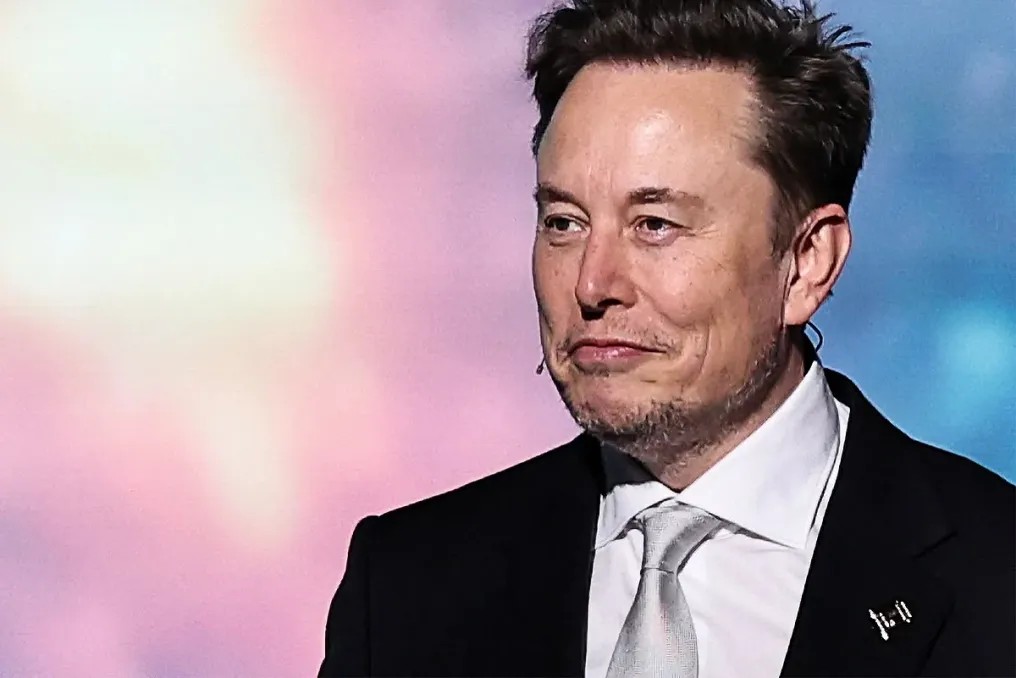
Musk states that Starlink prices in India must be affordable amid dispute with Jio
Read more
Business Standard
business-standard.com

Musk states that Starlink prices in India must be affordable amid dispute with Jio

Technology billionaire Elon Musk stated that Starlink pricing in India must be affordable because consumers will not buy the service if it is too expensive. He also emphasized that competition will give Indian citizens more choice.

Musk's comments, posted on X, came amid preparations by Jio Platforms, the digital division of Reliance Industries, for what is expected to be the largest public offering in India.

Musk noted: 'The reality is that competition will greatly benefit the average citizen in India by providing them with more options, as it always does. Ambani's profit will decrease, but he will not go bankrupt.'

He added that if Starlink proves too expensive in India, no one will buy it, so SpaceX must make the prices affordable. In the same post, Musk continued to criticize Mukesh Ambani regarding Starlink's entry into the Indian market, accusing the billionaire's supporters of 'absurd hypocrisy and hyperbole.'

Musk pointed out a contradiction in Ambani's supporters' arguments: they simultaneously claim that the satellite internet service cannot compete with 'the stunningly low prices offered by Ambani's de facto monopoly in India,' while also stating that Starlink poses a serious competitive threat. He called such 'stupid arguments' from Ambani's supporters meaningless.

Musk's latest post followed his sharp criticism of Ambani regarding the protracted timelines for launching Starlink satellite broadband services in India.

Reliance has not yet issued an official response to Musk's accusations, but the government has stated that the country's authorization system for telecommunication and satellite services is 'fair and non-discriminatory,' and any suggestions of its selective application are 'unfounded and erroneous.'

At the Indian Mobile Congress this week, amidst Musk's dramatic confrontation on X, Reliance Jio Infocomm Chairman Akhil Ambani declined to comment on the ongoing satellite communication debates, stating that the company is focused on delivering value to Indian consumers.

Communications Minister Jyotiraditya Scindia stressed on Friday that India does not permit monopolies in any industry. He reported that despite the hype around one company, three players have received licenses for satcom and can begin operations after meeting security requirements and achieving established milestones.

These three entities include Musk's Starlink, Reliance Jio's satellite venture Jio Satcom, and Bharti-backed Eutelsat OneWeb. Additionally, Amazon has expressed interest in the Kuiper project and must follow the established procedure.

Jio is building a satellite constellation consisting of over 1600 low-Earth orbit satellites, supported by 23 ground stations. Musk's SpaceX-managed Starlink constellation comprises over 11,000 satellites.

Musk's relentless attacks on Ambani are happening at a critical time, as the initial public offering of Jio Platforms, expected to be the largest in the country, is likely to open for subscription on October 21. The market anticipates the listing of this digital giant's shares on stock exchanges on October 28.

Although the company has not announced official dates, it is known that the mega-offering will open for subscription from October 21 to 23 following the anchor round on October 19. With an estimated issue size of $3.8 billion, the Jio Platforms IPO is positioned as India's largest public offering. The company completed overseas roadshows and is expected to file final documents with the market regulator Sebi in the week starting October 12. The Securities and Exchange Board of India (Sebi) issued its final comments on August 28. Jio Platforms filed draft IPO documents in June. According to its prospectus, the company plans to issue up to 270 million new shares, equivalent to approximately 2.9 percent of its capital after the placement.
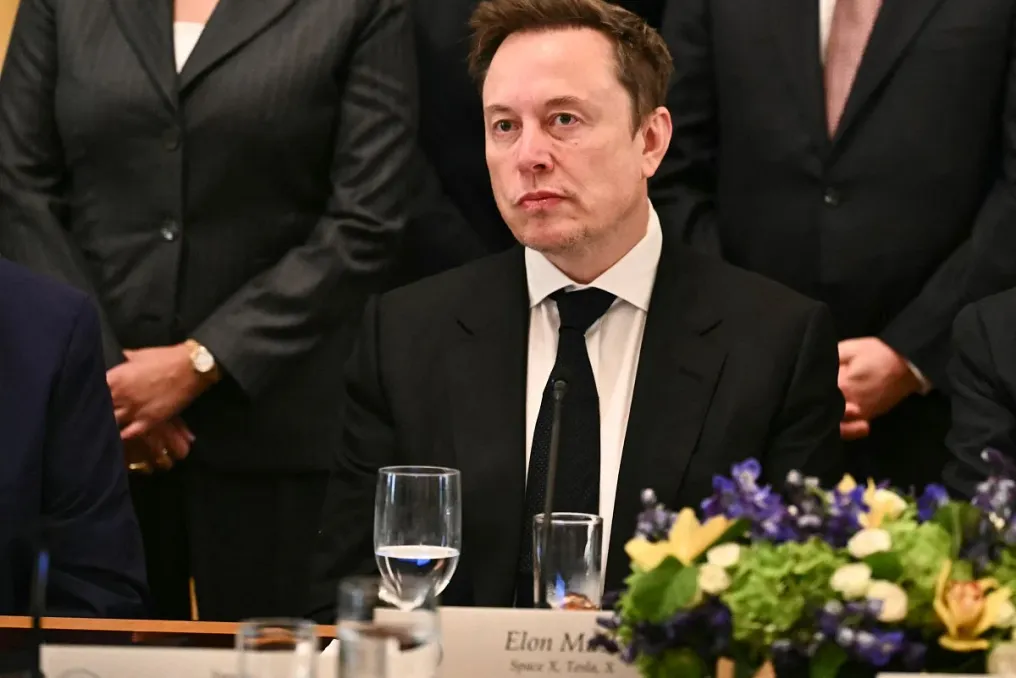
Similar stories

Musk criticizes Ambani supporters for hypocrisy regarding Starlink's entry into the Indian market
Read more
business-standard.com

Musk criticizes Ambani supporters for hypocrisy regarding Starlink's entry into the Indian market

Elon Musk sharply criticized Mukesh Ambani on Sunday again, accusing the billionaire's supporters of 'absurd hypocrisy and hyperbole.' These supporters simultaneously claim that Musk's satellite internet service cannot compete with 'the stunningly low prices offered by Ambani's de facto monopoly in India,' while also stating that Starlink poses a serious competitive threat.

In a post on the social media platform X, Musk stated that competition from Starlink would benefit ordinary Indians by expanding consumer choice. He added that even if this could reduce Ambani's profits, 'he will not leave the market.' Musk also noted that if Starlink services prove too expensive in India, consumers won't buy them, which would force the company to make prices affordable.

The US tech trillionaire called the arguments of Ambani's internet supporters 'absurd.' He emphasized: 'On one hand, they say Starlink cannot compete with the stunningly low prices offered by Ambani's de facto monopoly in India, and yet, they actually claim that Starlink will be a strong competitor! This is absurd hypocrisy and hyperbole.'

Musk insisted that competition always benefits the average Indian citizen by providing more options. He continued that 'Ambani's profit will be lower, but he will not leave the market. And, obviously, if Starlink is too expensive in India, no one will buy it, so SpaceX must make pricing affordable.'

This week, Musk has repeatedly criticized Ambani, whose company is a major player in India's telecommunications market and is involved in the race for satellite communication services. On Saturday, he published screenshots of media reports claiming that the Reliance-funded firm helped promote Bharatiya Janata Party (BJP) campaigns on social media, and the Reliance-linked company made large political donations to the ruling party.

Musk's post on X contained an Al Jazeera report from 2022 titled 'How Reliance-funded firm promotes Bharatiya Janata Party campaigns on Facebook' and an archived Indian Express report from 2024 about Qwik Supply, which stated that the Reliance-linked firm donated 385 crore rupees to the BJP and 25 crore rupees to Shiv Sena through electoral bonds.

These statements came amid Musk's sharp criticism of Ambani over the delay in launching Starlink satellite broadband services in India. Reliance publicly did not respond to Musk's accusations, while the government stated that the country's authorization system for telecom and satellite services is 'fair and non-discriminatory,' and any suggestion of its selective application was 'unfounded and erroneous.'

Previously, Musk sarcastically addressed industrialist Mukesh Ambani in an X post, calling him 'Ambani Prime Minister,' and accusing him of trying to protect his monopoly. In this post, Musk asked whether Ambani would consider allowing his satellite internet service to compete in the country. He wrote: 'Dear Prime Minister Ambani, please accept my humble apologies for not realizing that you are the real boss of India. Naturally, you would prefer to maintain your monopolistic exploitation of the great Indian people, but could you still consider allowing Starlink to compete?'

He also mentioned that many areas in India, like in all countries, lack internet access, depriving children of educational opportunities and small businesses of the ability to sell their goods on the global market. Musk argued that Starlink would change their lives for the better.

Within minutes of this post late Friday, Musk published another, stating that Starlink has proven indispensable for saving lives during natural disasters worldwide when other communication systems failed. He added: 'Thus, you are also helping save men, women, and children across India.'

On Friday, Communications Minister Jyotiraditya Scindia stated that India does not permit monopolies in any sector. He clarified that despite the hype around one company, licenses for satellite communication have been granted to three players—including Starlink—and they can begin operations after individually meeting safety requirements and established milestones.

Scindia emphasized that the Department of Telecommunications is technologically neutral, and its role is to provide every customer with a set of services, allowing the consumer to independently choose the preferred service and company within that set.

The minister reported that three entities—Reliance Jio's satellite initiative, Jio Satcom, and Bharti-supported Eutelsat OneWeb—have already received licenses, and Amazon's Project Kuiper has expressed interest and must go through the established procedure. He noted that although much talk is about one company, three have received licenses.

Scindia also informed that TRAI and the telecom department are close to making a final decision on the pricing regime for satellite spectrum. Criticizing Congress amidst exchanges between Rahul Gandhi and Musk on X, the minister also stated: 'As for Congress... I don't think they themselves know where they are going—left or right.'

India calls Musk's accusations of Starlink blocking unfounded
Read more
www.khaleejtimes.com

India calls Musk's accusations of Starlink blocking unfounded

India has responded to Elon Musk's statements that his satellite internet services are being 'blocked' in the country.

The industrialist claimed that some oligarchs are obstructing access to the service to maintain their monopolistic control, but he did not name the individuals he accused.

The Bureau of Indian Press Information responded to Musk's publication by issuing a statement that the government has established a 'fair and non-discriminatory authorization system for all telecommunication services, including satellite communication services.'

In this message, while calling these claims 'unfounded and erroneous,' there was no direct response to Musk; instead, it addressed a post circulating on social media regarding the fairness of India's regulatory framework for satellite communications.

It was further clarified that each licensee is obliged to demonstrate compliance with security requirements, which aims to 'ensure the fulfillment of various security requirements provided by the services' for data protection. It was added that a security assessment is currently underway for all three licensees.

The Ministry of Communications also reported that after this process is completed, licensees will be able to apply for spectrum allocation. It was noted that all three organizations applying for a license 'are at approximately the same regulatory stage.'

Musk's Starlink is available in over 150 countries worldwide and recently received approval from UAE authorities.

Elon Musk claims some oligarchs in India are blocking access to Starlink
Read more
www.khaleejtimes.com

Elon Musk claims some oligarchs in India are blocking access to Starlink

On Wednesday, Elon Musk accused Indian oligarchs of obstructing Starlink's access to Indian markets, publishing the statement on the social media platform X.

Musk, founder of SpaceX, which operates the satellite internet service Starlink, wrote that 'unfortunately, we are being blocked by certain oligarchs so they can maintain their monopolistic control over the Indian people.'

The industrialist called this action a 'crime against the people of India,' but did not name the specific individuals he is accusing, only hinted: 'you can guess who it is.'

The message was made in response to another tweet presenting various statistical data demonstrating Starlink's potential benefits for India.

According to local media reports, Starlink was negotiating with Indian regulatory bodies. Nevertheless, the deal did not materialize, and the processes were halted at the final stage.

Earlier, in August of this year, the UAE issued a 10-year license to Starlink, allowing citizens and residents to use the service. This 10-year General License for satellite services authorized the creation, operation, and management of a public satellite telecommunications network and the provision of satellite broadband internet services in the UAE.

The company's services, owned by Elon Musk, are provided to private individuals, businesses, and government entities, and also provide satellite communication for the maritime and aviation sectors.

Popular