R220 million solar power station in Atlantis promises R400 million savings for Cape Town residents
Read more
IOL
iol.co.za

R220 million solar power station in Atlantis promises R400 million savings for Cape Town residents

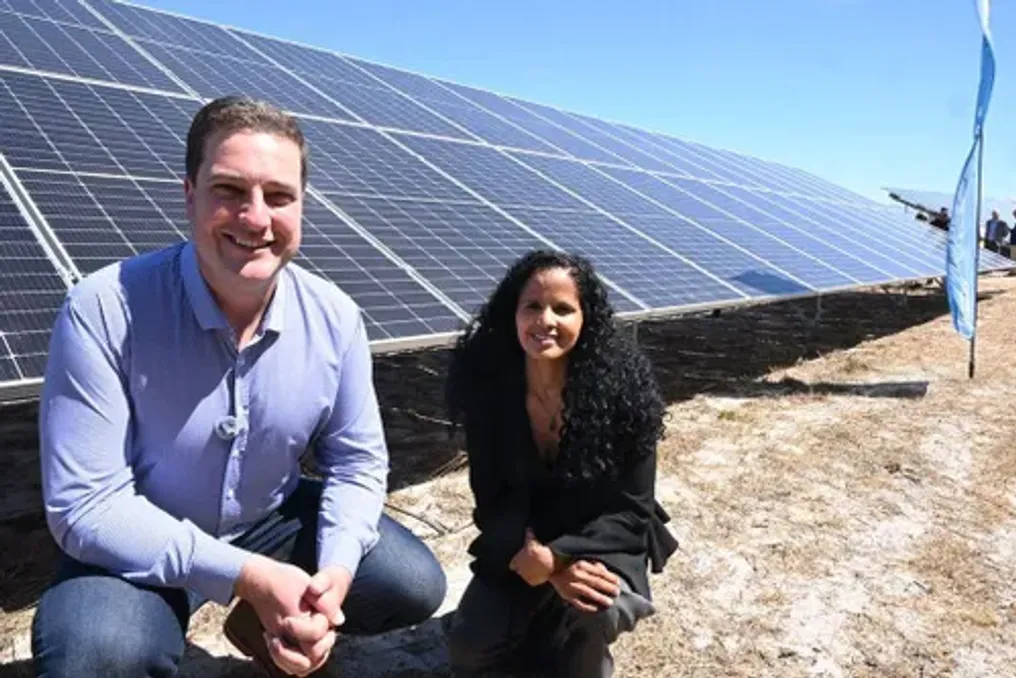
Cape Town residents could receive electricity savings of at least 400 million rand over the next twenty years following the launch of a hybrid power station built by the South African municipality in Atlantis. This represents a significant step in the City's efforts to reduce dependence on Eskom and ensure more affordable electricity.

Mayor Geordie Hill-Lewis officially unveiled the R220 million Helderhuup Solar-Storage Power Station on Thursday. The facility covers an area of 15 hectares, equivalent to approximately 21 football fields, and is equipped with 12,850 solar panels and two large battery banks.

Despite the completion of construction, the power station is not yet operating at full capacity and is undergoing controlled testing as part of the commissioning process. Hill-Lewis emphasized that the project is a vital investment in Cape Town's energy future, especially against the backdrop of rising household electricity costs.

Direct Financial Benefits

He noted that the key advantage of the new power station is that the energy it generates is significantly cheaper than Eskom's, which will allow Cape Town residents to save at least 400 million rand over the next 20 years. The Mayor stated the intention to reduce reliance on expensive Eskom energy and its annual increases to pass these savings on to Cape Town residents over time.

However, the projected savings will not lead to an immediate reduction in household electricity tariffs, as the City has not yet announced when residents can see direct financial benefits. The complex combines solar energy generation with battery storage, allowing some of the energy produced during the day to be saved for later use. According to early City information on the project, the initial solar generation capacity is 7 MW, and the battery storage capacity is 10 MWh. Furthermore, the project created about 305 jobs during construction.

Jobs Created

Member of the Municipal Energy Committee, Alderman Xanthea Limburg, reported that the project provided workers with the opportunity to gain valuable experience in renewable energy infrastructure. Limburg thanked City officials, design teams, contractors, local businesses, and most importantly, the Atlantis community for helping realize Helderhuup.

In addition to electricity savings, the project holds special significance for Atlantis, which celebrates its 50th anniversary this year. The name Helderhuup, meaning 'Bright Hope', was suggested by local student Vinoliwe Kloete, who participated in a public naming competition while attending Saxonsea High School. Explaining her choice, Kloete said that the name combines the idea of light and energy with hope for a better future for Atlantis.

Hill-Lewis clarified that this project is part of broader investments in the area, including a R31 million upgrade to the Wesfleur stadium, improvements to MyCiTi bus stops, and ongoing investments in the Atlantis Special Economic Zone. Meanwhile, the City is expanding its power sources beyond Eskom through agreements with independent power producers. Two recently signed power purchase agreements will secure 70 MW of electricity from solar projects in Atlantis and the Philippines, with the City reporting procurement prices that are 21% lower than Eskom tariffs. The municipality also plans to build another 70 MW hybrid solar and battery facility in Paarl Valley by 2029.

Reports indicate that the City's energy efficiency initiatives have saved approximately 625 million rand, and residents and businesses have earned 67 million rand by selling surplus rooftop solar energy back to the City since June 2024.
Similar stories

New type of solar panels may increase energy output by 25%
Read more
olhardigital.com.br

New type of solar panels may increase energy output by 25%

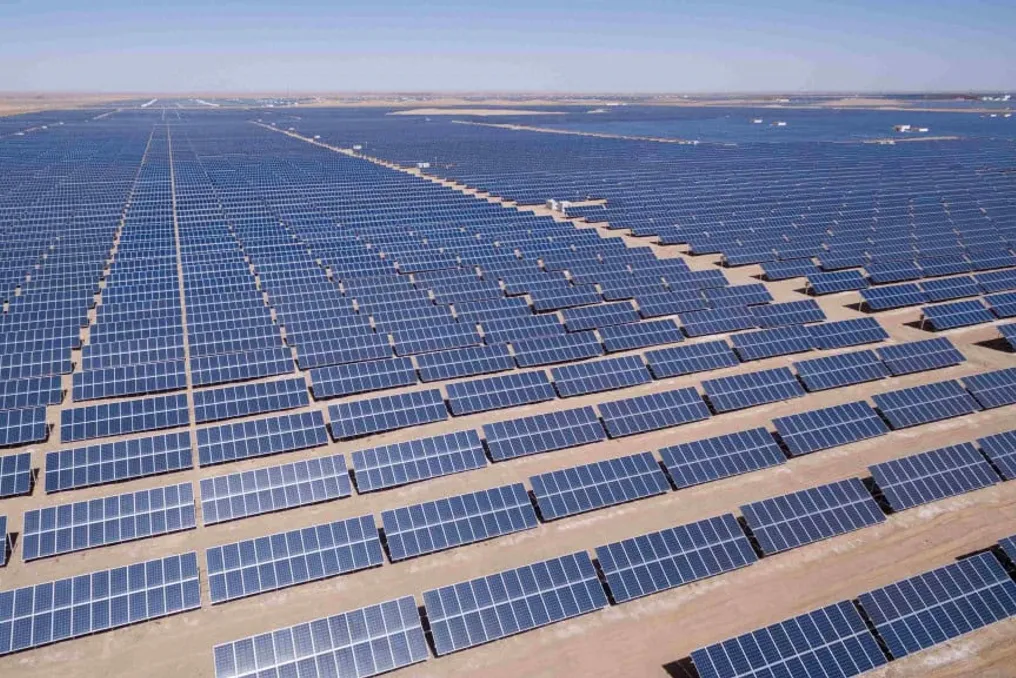
Solar panel manufacturers in the United States are developing a new technology capable of boosting the energy generation of existing devices by up to 25%. This technology, called solar tandem, combines two or three layers of materials for more efficient utilization of solar radiation and is approaching commercialization.

Companies such as Tandem PV, First Solar, and Hanwha Qcells report being close to launching initial models after technical testing and certification. This progress occurs in a sector where China controls about 80% of the global solar panel market, both directly and through its components. This information was obtained by The New York Times.

The tandem technology involves adding extra layers of materials to traditional solar cells, which typically use only a single layer of silicon. This structure allows different materials to capture different parts of the solar radiation, thereby increasing the amount of electricity produced.

Qcells, a South Korean company that acquired the German manufacturer Qcells in 2012, is testing its panels in laboratories in Germany, as well as in open fields in the US, Australia, Cyprus, and South Korea. These devices are subjected to various conditions to verify their durability, including exposure to LED lamps and tests using pieces of ice dropped onto the panels, simulating hail. The goal of these tests is to ensure that the devices maintain their performance over the expected service life of 20–30 years.

Fabian Fertig, who is responsible for R&D of tandem panels at Qcells, explained to the NYT that stability is one of the key factors that must convince energy companies, investors, and financial institutions to invest in this technology.

Despite the potential for higher generation, tandem panels still face a serious obstacle—cost. Some estimates suggest they could cost three to three and a half times more than standard panels. According to a report by the Solar Energy Industries Association, the purchase and installation cost of standard panels for solar power plants in the United States ranges from $0.93 to $1.06 per watt. The price difference could be a decisive factor in adopting the new technology, especially considering the prices set by Chinese manufacturers.

Andres Glusky, CEO of the energy company AES, told the newspaper that cost will be crucial in determining the success of tandem panels. China's production capacity also poses a challenge for manufacturers from other countries.

Another point requiring attention is the degradation of panels over time. Energy companies tend to be cautious when implementing new technologies, especially when equipment is expected to function for decades. Tandem PV from California claims that it tested its panels under various conditions in the United States over the past year and recorded an annual degradation of less than 1%, according to its CEO Scott Wharton.

Qcells became the first manufacturer to independently certify a tandem panel according to standards set by Underwriters Laboratories and the International Electrotechnical Commission.

In addition to increasing electricity generation, tandem panels can allow solar power plants to generate the same amount of energy using less area and fewer materials. Industry experts suggest that the equipment could reach a power coefficient above 31%, while the average figure for solar power plants in the United States is around 24%.

This progress is happening during a period of growing electricity demand in the country. According to the Energy Information Administration, in 2025, solar energy provided nearly 9% of the electricity generated in the United States, compared to 3% in 2020. For manufacturers from the North American country, developing this technology before Chinese companies reach a similar level could help restore their position in the industry. However, widespread adoption will depend on costs and independent tests confirming the reliability and longevity of the new panels.

Popular