According to recent data published by Statistics South Africa, diabetes ranked first among causes of death in South Africa, affecting over four million adults. This incidence surpassed rates of HIV and tuberculosis. More than 27,000 deaths related to this ailment were recorded in 2023.
In addition to the high mortality rate, diabetes is a cause of serious conditions such as kidney failure and heart disease. Diabetic patients are more susceptible to severe consequences even from minor ailments, such as the flu, and they feature in the statistics of high mortality among COVID-19 patients. Furthermore, poor wound healing in diabetics can turn a simple scratch into a life-threatening septic wound.
What causes diabetes?
Melitus diabetes is a condition characterized by elevated blood glucose levels above normal. In type 2 diabetes, cells fail to respond adequately to the hormone insulin, which is responsible for lowering glucose levels. This leads to the accumulation of insulin and glucose in the bloodstream.
Risk factors for developing type 2 diabetes include a family history of diabetes, but lifestyle factors related to diet and physical activity are more significant. A high-carbohydrate diet, typical of modern fast-food culture, as well as the consumption of excessively sweet and processed foods, stimulates insulin secretion, which ultimately leads to insulin resistance and subsequent diabetes diagnosis.
Lack of physical exercise causes muscle hypodynamia, which reduces glucose uptake. This is also accompanied by disturbances in the body's hormonal system, inflammation, dysfunction of satiety signals in the gut and brain, and inadequate glucose production by the liver.
Diabetes can be prevented by making healthier lifestyle choices. Insulin resistance and obesity play a key role at the pre-diabetic stage. Local healthcare workers can identify this using simple methods, allowing for prompt action to prevent serious complications that may arise after diagnosis. Clinical data confirm a direct link between obesity and diabetes, leading to the development of new breakthrough drugs to control these factors, such as GLP-1 class medications.
Initial symptoms of diabetes can be vague, with fatigue being the only sign. Other signs include increased thirst, increased appetite, frequent urination, blurred vision, dry mouth, weight loss, dehydration, and dizziness. Additional signs may include superficial skin infections, ear and throat infections, and urinary tract infections, including candidiasis.
Sustained high blood glucose damages the inner walls of blood vessels throughout the body and promotes the formation of unstable plaques in vital arteries, such as those in the heart, brain, kidneys, and legs. Diabetes is often diagnosed alongside other lifestyle diseases, such as hypertension, hypercholesterolemia, and obesity, creating conditions for serious health problems, including chronic kidney and heart disease, peripheral vascular disease, visual abnormalities, and neurological disorders. Patients often learn about the diagnosis only during an emergency medical situation, such as a heart attack or stroke.
How to check for diabetes risk?
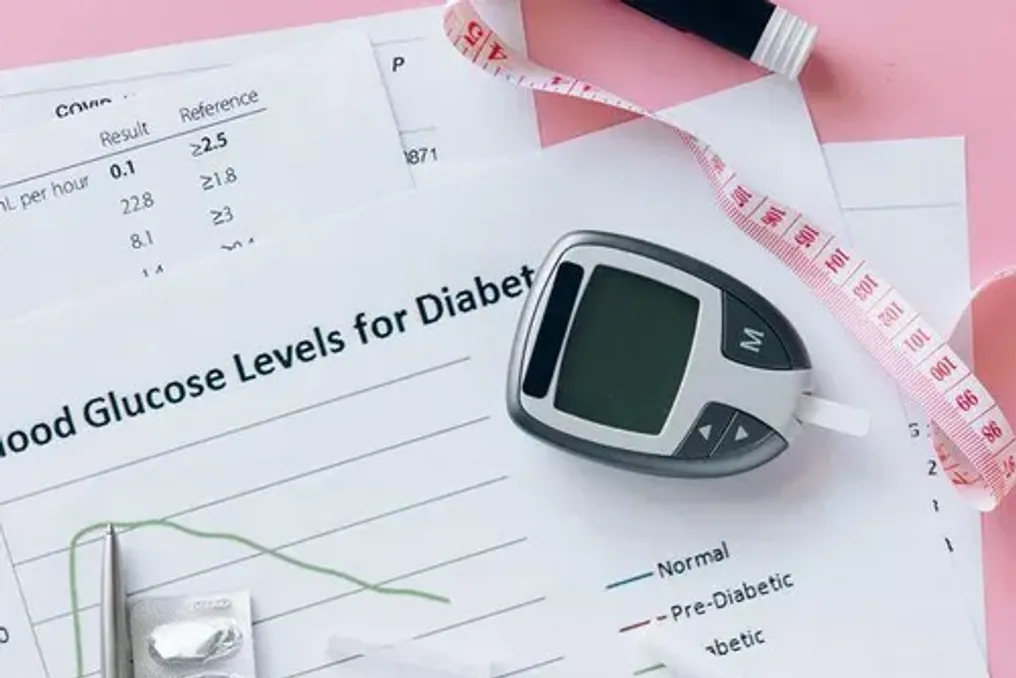
If a person wishes to know if they are at risk for diabetes, they should consult their preferred healthcare professional—whether it is a local clinic, pharmacist, or general practitioner. Several targeted questions will be asked to determine the risk profile, and simple tests may be conducted, such as a finger-prick blood glucose test, BMI measurement, or urine strip analysis. Since these tests are not always reliable, additional examinations, such as a full blood count, will be performed if deemed necessary by the healthcare provider.
Blood tests are usually effective for diagnosis, and treatment should begin immediately. Treatment most often involves taking pills once or twice a day, while patients are asked to monitor their diet and glucose levels at home if they have a glucometer. Follow-up appointments will be scheduled to assess the correct type and dosage of medication. Severe diabetes that is not controlled by pills may sometimes require insulin injections to maintain low blood sugar levels.
It is important to remember that diabetes can be prevented by early detection of risk factors and implementing healthy lifestyle changes. After diagnosis, the condition can be effectively managed to keep blood glucose levels as low as possible to prevent organ damage.