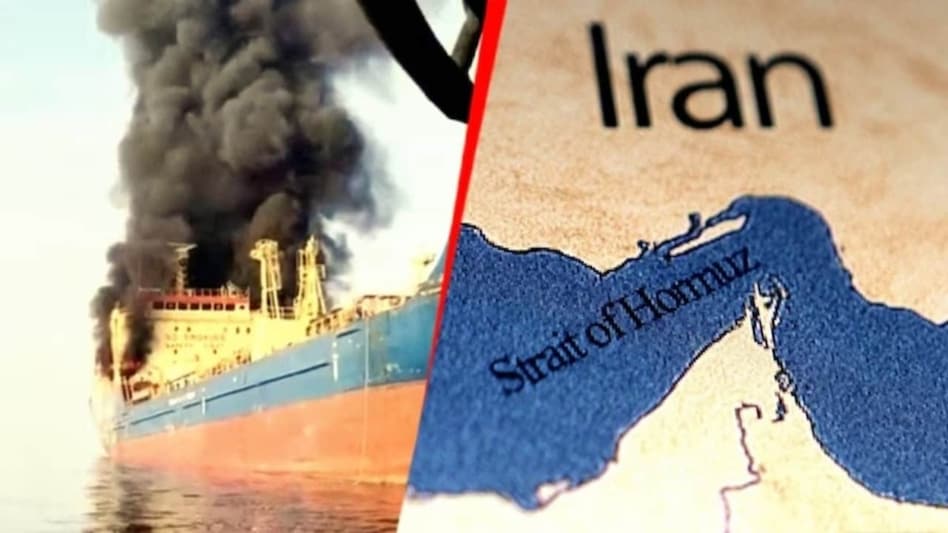
The global economy faces serious challenges as tensions in West Asia could have an extremely negative impact on global economic growth. This warning was issued by the United Nations Conference on Trade and Development (UNCTAD).
UNCTAD warns that the energy crisis stemming from Middle East tensions poses the most significant threat, putting pressure on the world economy. As a result of this pressure, the pace of global economic growth is projected to decline from 2.9% last year to 2.6% in 2026.
According to UNCTAD data, the energy crisis caused by conflicts in West Asia is negatively affecting the world's economic dynamics. In its trade and development report, the agency forecasts a slowdown in global economic growth from 2.9% last year to 2.6% this year. Meanwhile, it is expected that the volume of world trade in goods and services will increase by 4% while prices remain stable, although most of this projected growth is linked to high energy costs.
Despite existing crises, India demonstrates resilience. The latest UNCTAD forecast was made amid concerns related to rising geopolitical risks, changes in global trade patterns, and financial risks associated with the artificial intelligence (AI) boom.
The report mentions shifts in trade patterns due to ongoing tensions between the US and China. UNCTAD notes that trade between China and the United States has decreased by more than 20% since 2024. At the same time, East Asia has expanded trade with both China and North America.
The agency cautions that restrictions on trade and investment continuously complicate the process for new companies entering strategic markets. According to UNCTAD, export controls, investment screening, and supply chain conditions hinder new business participants from accessing necessary regions.
In addition to the impact of energy prices and US-China tensions, the agency presented forecasts regarding both opportunities and financial risks associated with the growing use of AI. According to UNCTAD, AI-related products, including semiconductors, have become key drivers in commodity trade. However, the growth of AI-related trade does not guarantee automatic benefits for broad economic development.
The report also contains a warning that the increasing popularity of AI could create risks to financial stability, as markets become increasingly dependent on a small number of companies. The agency did not disclose the names of these companies.