In connection with World Mental Health Day, dedicated to the theme 'Heard Life Experiences: Real Voices, Real Changes,' attention is growing regarding the need to listen to people suffering from mental illnesses and acknowledge their experiences.
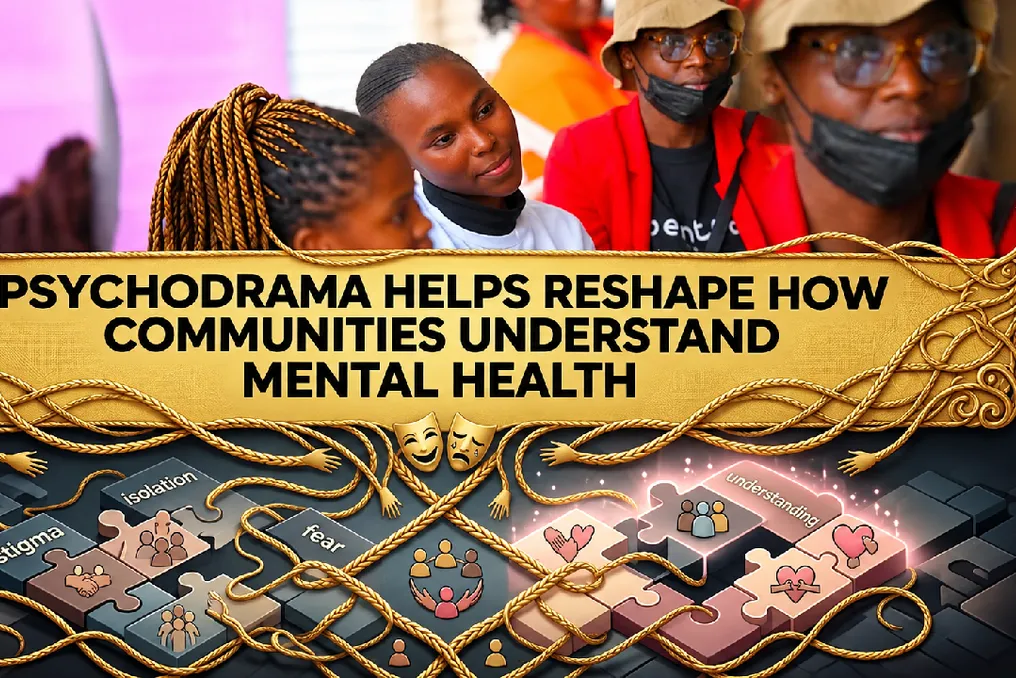
A community project is being implemented in an informal settlement in Nairobi that uses psychodrama to help people cope with painful experiences, express complex emotions, and find healing through guided role-playing and shared experience.
Psychodrama is a form of group experimental therapy developed by Romanian psychiatrist Jacob L. Moreno. It involves dramatic action, role reversal, storytelling, and interaction with other people to help individuals explore personal and interpersonal difficulties.
During a session, one participant can recreate an event while other group members take on roles in that situation. The facilitator guides the process, helping participants to understand their feelings, ways of reacting, and the possibility of viewing the experience differently.
Exploring Emotions Through Role-Playing
Unlike traditional talk therapy, psychodrama prompts participants to act out life situations rather than just describing them. Under the guidance of a trained facilitator, they can re-enact a difficult conversation, take on another person's role, or return to an experience that continues to affect them.
Around the age of 22, Linda Wangala aspired to be a model and actively pursued this career before abandoning it after an unsuccessful runway appearance. During her first psychodrama session, she encountered unexpected emotions while reviewing experiences she thought she had overcome.
Wangala noted: 'It brought up various emotions for me that I like, because there were probably situations I thought I was healed from, but perhaps the wounds still exist.' She added that openly discussing these events brought satisfaction and relief.
According to Dr. Mbayi, the group setting fosters social connections, giving participants the opportunity to interact with others and realize that they are not alone in their struggles. Mbayi emphasized that by viewing psychodrama as group therapy, he believes it 'demystifies well-being, demystifies mental health,' since many mental health issues are linked to social experience.
Finding Support in Shared Experience
For Teresa Nyambura, these sessions provide an opportunity to connect with other people while overcoming difficult thoughts. Nyambura, who experienced two suicide attempts after frequently feeling misunderstood by loved ones, described herself as prone to overthinking. She reported that despite persistent suicidal thoughts, participating in the sessions helps her manage them.
She shared: 'I like being in a community, interacting with people, because I feel it helps me relieve tension and calm my mind.' She clarified: 'I wouldn't say I'm okay right now, but I am better.' Gladys Akumu is one of the therapists for these sessions. According to her, psychodrama has helped community members open up, allowing them to share their experiences through stories and role-playing.
Facilitators often incorporate games, songs, and dances into sessions when emotional tension rises, giving participants time to calm down before continuing. Those who feel overwhelmed may be offered individual support. Mbayi noted that facilitators also assess whether a participant needs help beyond the scope of the group format; in such cases, referrals to appropriate services are made.
Cases related to sexual violence and other highly sensitive or complex issues are not discussed lightly in the group and require special attention. This initiative is being implemented against the backdrop of a significant mental health burden across Africa. The World Health Organization estimates that nearly 150 million people on the continent live with mental disorders, while services remain underfunded and access to treatment limited, especially in underserved communities.
In Kenya, the Ministry of Health calculated in September 2024 that common mental disorders affect about 10.3% of the population, with a treatment gap of approximately 75%. Stigma, limited awareness, and gaps in diagnosis and access to professional help remain serious obstacles. These challenges have amplified calls to use approaches that make conversations about mental health more accessible and help communities recognize the importance of emotional well-being.