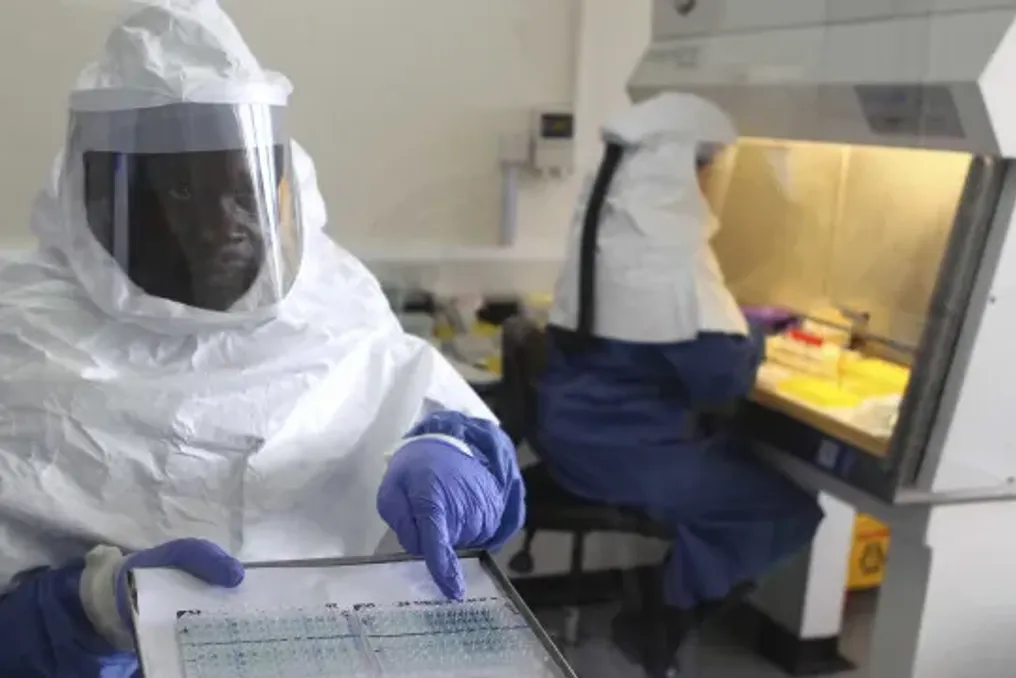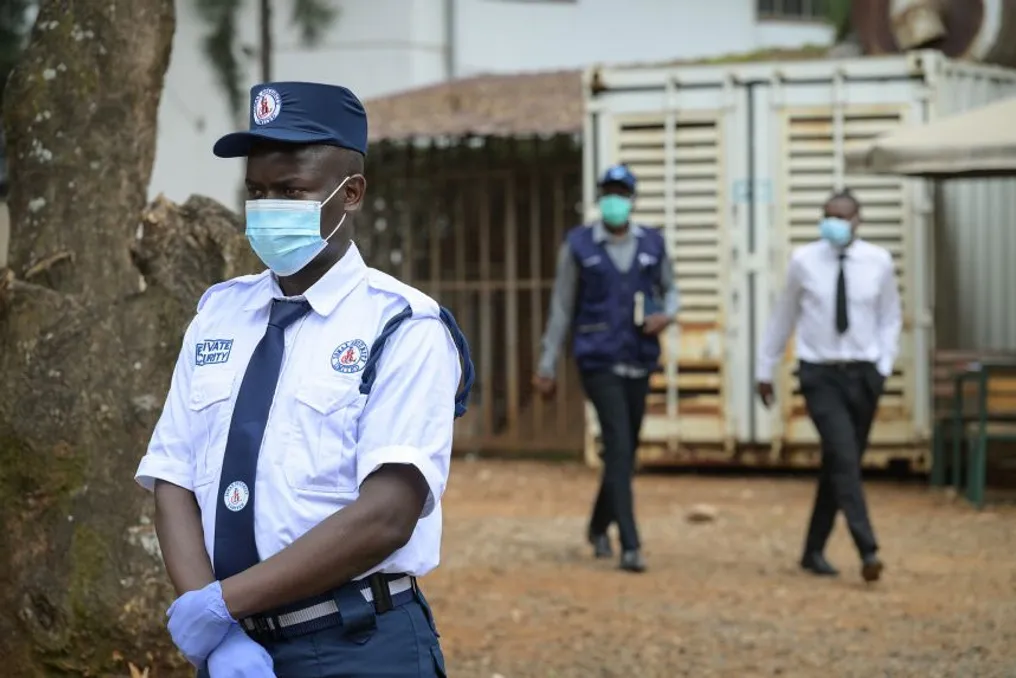
Despite a month of preparation for the Ebola outbreak, one of the world's deadliest viral diseases, a case of infection still occurred, serving as a warning of possible wider cross-border transmission.
Kenya spent many months preparing for Ebola, screening hundreds of thousands of travelers and training about 5,000 healthcare workers in case of border crossing. However, Ebola then appeared.
A man who was sick for weeks and later confirmed to have Ebola traveled from the Democratic Republic of Congo (DRC), crossed the border by car into neighboring Uganda, and then flew to Nairobi. He passed medical checks at the airports of both countries without being flagged.
A relative and friend took him directly from the airport to a private clinic in Nairobi, the capital of Kenya. Upon arrival on October 3, he presented with fever, chills, severe fatigue, muscle aches, and subcutaneous bleeding, according to data from the Kenyan Ministry of Health. Doctors isolated him, and subsequent tests confirmed the Bundibugyo virus, a strain of Ebola. He died several days later on Monday, and health officials are attempting to contact any potentially infected individuals.
His journey demonstrates how quickly an outbreak concentrated in the DRC can turn into a broader regional problem. This is currently the largest Ebola outbreak ever recorded in the country. As of Wednesday, the World Health Organization (WHO) has recorded 8,728 confirmed cases and 4,205 deaths in the DRC, with cases reported in seven provinces. WHO states that transmission remains intense and assesses the risk to countries bordering the DRC as high.
The DRC is not the only affected country. Uganda registered 20 cases before its Ministry of Health declared the country free of Ebola on July 28, while France registered a travel-related case without reporting additional cases. Kenya became the fourth country to confirm the Bundibugyo virus.
Oyewale Tomori, a former WHO regional virologist for Africa, told CNN that the case in Kenya warns that new infections can cross borders while transmission in the DRC remains high. He stated: 'Africa is an open field divided by poorly serviced porous borders. The case in Kenya is a warning of more cases in the future.'
The Kenyan man, who had lived in the DRC for seven years, traveled through three countries in approximately two days. According to the Kenyan Ministry of Health and WHO, on October 2, he traveled by road through Beni in the North Kivu province in eastern DRC to Kampala, the capital of Uganda, and the next day flew to Nairobi. Authorities did not disclose what checks, if any, he underwent at the DRC-Uganda land border.
WHO notes that it is unclear when he developed Ebola symptoms during his trip. The agency suggests that his month-long illness indicates he likely suffered from something else first and possibly contracted Ebola later while seeking medical attention.
Uganda temporarily restricted non-critical travel across its border with the DRC after most of its cases were imported from the country. The Ugandan Ministry of Health reported that the man spent less than 24 hours in the country and had a normal temperature upon inspection before flying out of Entebbe International Airport, near Kampala. The Ministry stated that it is strengthening cross-border surveillance and information sharing following this case.
In Nairobi, the Kenyan Ministry of Health claims he underwent a 'routine public medical examination' at Jomo Kenyatta International Airport. According to the ministry's version, he was not flagged as a suspected Ebola case during the screening.
The Kenya Airports Authority informed CNN that Port Health Services, part of the Ministry of Health, are responsible for passenger screening. CNN requested information from health authorities in Uganda and Kenya regarding what checks he underwent and whether his recent trip from the DRC warrants further assessment.
The issue extends beyond airports and official border crossings. The International Organization for Migration (IOM) told CNN that movement between Ebola-affected areas in eastern DRC and neighboring countries remains high, as people regularly cross the border for work, trade, and family reasons. Not all this migration occurs through official border points.
IOM noted that some people use unofficial routes that are much harder to control, meaning airport and land border checks cannot catch every infected traveler, especially before symptoms appear. The organization also stressed that countries need to monitor community cases, conduct rapid testing, trace contacts, and share information across borders—similar to the response in Kenya—so that imported cases are detected early and further spread can be localized.
Tomori expressed skepticism about the idea that border checks alone can yield significant results, comparing the system's weaknesses to 'using a soccer net to catch a mosquito.' Christian Happi, a professor of molecular biology and genomics at Redeemer University in Nigeria, whose lab helped confirm the first Ebola case in Nigeria in 2014, said that temperature checks could miss an infected traveler who is currently afebrile.