
Increase in operational costs for South African farmers due to energy shocks and weather risks
Read more
Food For Mzansi
foodformzansi.co.za

Increase in operational costs for South African farmers due to energy shocks and weather risks

Inflation in fuel and electricity prices has been putting constant pressure on consumers since March/April 2026, according to an August report by the Food and Agricultural Policy Fund (BFAP). This increase is largely due to a global energy price shock, as well as an 8.7% increase in the electricity tariff starting April 1, 2026, which has led to year-on-year growth in electricity prices.

Pressure on food prices is intensifying because it raises operating costs throughout the food and agricultural production chain, potentially leading to overall inflation. Although monthly fuel inflation decreased in August due to the strengthening of the rand against the dollar, this occurred amid persistently high international oil prices caused by supply disruptions linked to unresolved geopolitical tensions. Recent forecasts from the Central Energy Fund indicate insufficient recovery in gasoline and diesel fuel prices by October.

According to the report, the movement in commodity food prices is expected to remain relatively moderate in the coming months. Meat prices are likely to continue falling as vaccination campaigns against animal diseases such as foot-and-mouth disease and avian influenza progress, along with increased livestock slaughter activity.

At the same time, the forecasted super El Niño cycle could negatively affect crop yields, leading to reduced summer crop production in 2027 and potentially exerting upward pressure on food prices in the medium term. However, BFAP noted that large reserves accumulated after two previous seasons of abundant harvests may provide some buffer against these potential price risks.

Maize farmer Pulane Masegoni from Denilton in Mpumalanga reported that farming has become extremely difficult due to the general rise in all expenses. She emphasized that consumers are severely affected by the situation, and farmers are trying to absorb the pressure as much as possible. However, she stated that it is now impossible to absorb all these costs.

Pulane Masegoni added that the situation at the primary level looks unfavorable: gasoline prices are rising, the weather is not favorable, and combating pests in crops presents another problem. Despite her love for her work, she is slowly losing faith in the ability to continue operating due to unaffordable operational costs.
Similar stories

Increase in vegetable supply may lower prices for buyers in South Africa
Read more
foodformzansi.co.za

Increase in vegetable supply may lower prices for buyers in South Africa

Fresh produce markets in South Africa saw sharp price fluctuations this week, driven by double-digit increases in the cost of potatoes and tomatoes, while the price of onions remains abnormally high compared to 2025 levels. However, as harvest volumes increase in key production areas, the market may soon change direction.

According to the latest report from agricultural economist Konsa Moraba, prepared by Agricultural Market Trends (AMT), the current price rise is largely due to temporary stock shortages, but incoming supply could quickly exert downward pressure on several commodities.

Moraba noted: 'High prices attract attention. The growth in supply tells you whether this price will hold.'

Potatoes showed a jump of over 15%, reaching an average of R77.49 per 10 kg. Although low initial stock levels initially supported the price, Moraba indicated that larger inflows during the week could reduce the average weekly figure.

Tomatoes were the main driver of the increase, rising by 44% to R12.24/kg, despite a 7% weekly volume increase. Current prices are 19% higher compared to last year, mainly because overall market volumes remain about 9% lower than in the same period last year.

Moraba predicts that high prices will persist until October, but warmer weather, weakening demand mid-month, and seasonal supply influx starting in mid-November are likely to ease pressure on consumers.

Onions continue to hold at record high prices—R148.48 per 10 kg, which is 268% higher than last year. Despite a slight decrease of about 3% last week, a major short-term market correction is unlikely.

Moraba explained that as long as large volumes have not started arriving from the Northern Cape, and some producers in Limpopo have finished harvesting, limited supply may maintain relatively stable prices.

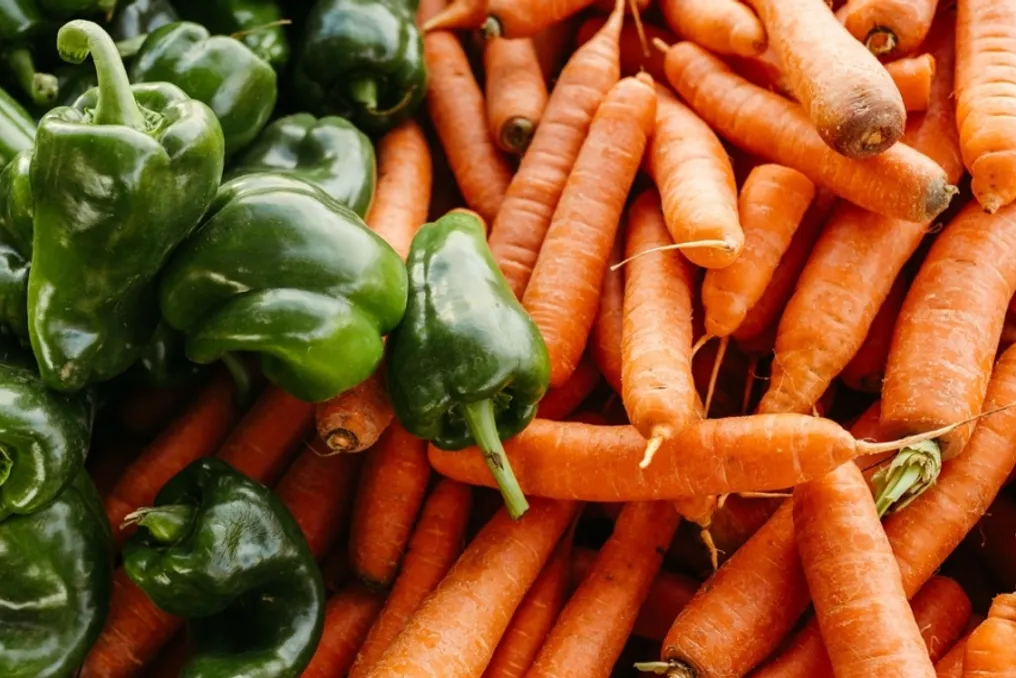
Other changes among vegetables included: carrots rose by 4% to R3.93/kg, despite a 40% surge in volume; bell peppers averaged R13.74/kg, while green peppers rose to R10.43, and yellow (R23.87) and red (R24.03) decreased; string beans increased by 23% to R21.92/kg, sweet potatoes jumped to R5.92/kg, butternut reached R8.93/kg, and cucumbers cost R11.99/kg; garlic fell another 10% to R79.43/kg.

The fruit sector showed a mixed picture, combining strong volume pressure and seasonal transitions. Bananas dropped to R8.79/kg after a sudden 36% increase in weekly supply. Moraba noted that supply may stabilize or decrease by the end of the year, which will support prices.

Apples and pears showed a slight drop to R10.28/kg and R8.76/kg respectively. Since overall market volumes are significantly lower than in the last two years, both crops are expected to rise by the end of the year.

Oranges slightly recovered to R2.56/kg but remain 41% cheaper than last year, thanks to increased annual volumes, reduced export shipments, and quality issues. Meanwhile, lemons strengthened to R5.09/kg, and grapefruit rose to R5.21/kg.

Among subtropical and niche items, avocados fell by 5%, although reduced supply at the end of the year should ease the situation for producers. Table grapes strengthened to R74.55/kg ahead of the first local harvest in early or mid-November, pineapples rose to R8.58/kg, and blueberries reached R56.87/kg.

As market conditions develop, producers and buyers should closely monitor volume flows rather than relying solely on sharp price spikes.

Popular