Popular Hairstyles Among Generation Z: From Blunt Cut to Wolf Cut
Read more
Aaj Tak
www.aajtak.in

Popular Hairstyles Among Generation Z: From Blunt Cut to Wolf Cut

Generation Z is characterized by actively following and readily participating in trends, constantly experimenting with both clothing and hairstyles, using them as a means of self-expression.

Currently, there is significant interest among members of Generation Z in several fashionable haircuts.

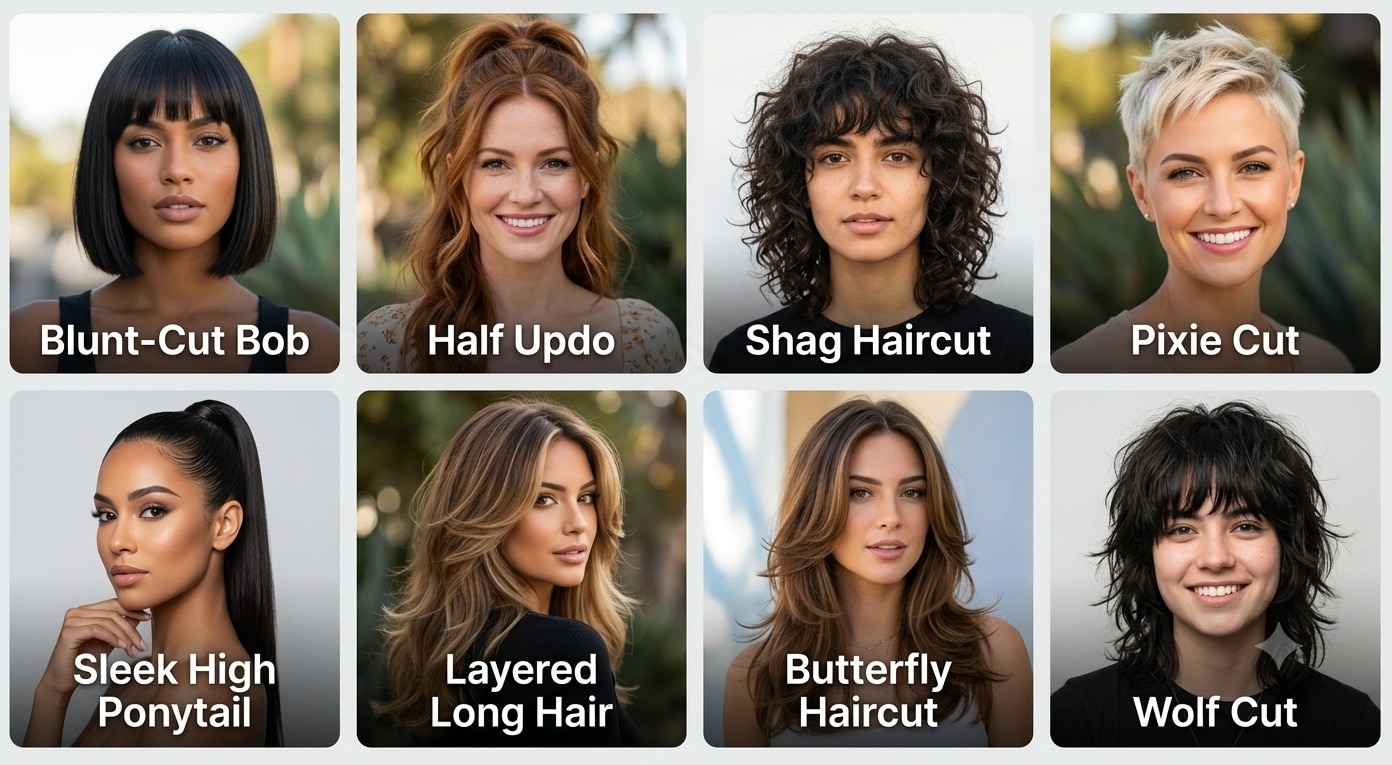
Blunt-Cut Bob is a short, straight haircut where the bottom part of the hair is cut to one length without many layers. This makes the hair look thick and voluminous, giving the look a simple, clean, and stylish appearance. This cut looks good on both straight and slightly wavy hair.

Half Updo is a style where the top part of the hair is gathered back or up, leaving the rest down. It is an intermediate option between a fully updo and loose hair. It can be complemented with a ponytail, clip, or ribbon, and it suits both casual and evening looks.

Shag Haircut is achieved by cutting the hair into many layers of different lengths. The top part of the hairstyle has more volume, while the lower layers remain light and tousled. This style gives the hair a natural and slightly messy look, suitable for those who desire volume and a relaxed mood.

Pixie Cut is a very short haircut where the sides and back are kept short, and the top can be slightly longer. It visually makes the face clearer and more expressive and does not require complex styling. This cut is popular among lovers of a short, simple, and bold style.

Sleek High Ponytail implies a tight hairstyle high on the head while maintaining smoothness and straightness. This look appears neat and well-groomed because there is little hair around the face. This hairstyle can give an office, festive, or special occasion a stylish and smart look.

Layered Long Hair suggests cutting long hair into layers of various lengths. This gives the hair light movement and volume, preventing it from looking flat. The layers can be chosen according to the face shape, and this haircut will suit those who want to keep their length but add variation to it.

Butterfly Haircut is designed for long hair and is characterized by having short layers near the face and longer layers at the back. The front layers frame the face, while the back ones remain long, creating an effect of greater volume and lift. This is a good choice for those who want to refresh their look without shortening their hair.

Wolf Cut is a combination of shag and mullet elements. It is distinguished by short and numerous layers on top, while the lower part of the hair remains longer. This gives the hair volume and a messy look, appearing very cool and bold, and is highly popular among Generation Z on social media.

Overall, for Generation Z, a haircut is no longer just a way to change hair length; it has become a tool for demonstrating appearance and individuality. Whether it's the simple and clean look of a blunt-cut bob, or the bold look of a wolf cut and shag, every haircut carries a unique style statement. This is why Generation Z is not afraid to try new fashion trends and constantly experiment with their appearance.
Similar stories

Generation Z and Millennials: Gen Z's Concerns About Age and Millennial Views
Read more
www.aajtak.in

Generation Z and Millennials: Gen Z's Concerns About Age and Millennial Views

Older generations often make remarks about the manners and working methods of Generation Z. Regardless of how they communicate with their superiors in the office, what their views on work are, or how they balance career and life, Generation Z does not always accept old work traditions. Furthermore, Generation Z's behavior outside the office also draws criticism from people. The older generation complains that members of Generation Z seem unserious to them.

However, recently one member of this generation raised the issue of Generation Z's own behavior, which sparked a discussion on social media. This was not about working methods, but about the view on age.

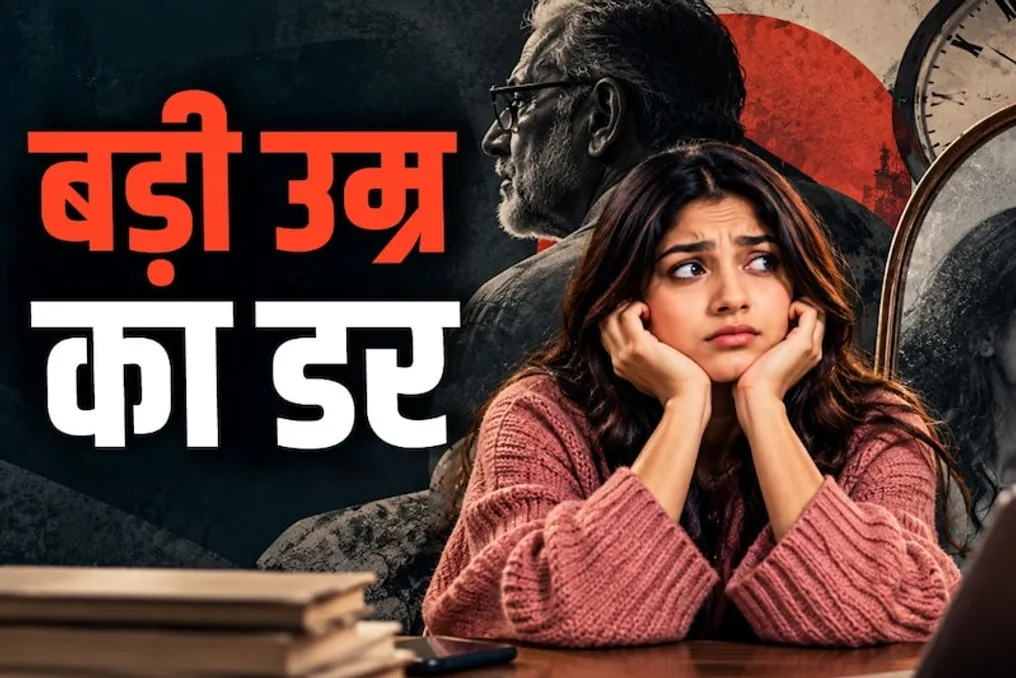
One Reddit user expressed concern about this habit among their generation. He noted that there is excessive mockery and anxiety about age among members of Generation Z. Even someone slightly older can seem very 'old' to them. The user fears that such thinking could create problems for Generation Z in the future.

He described a strange obsession with age among Generation Z. Anyone who is a few years older easily becomes an 'uncle' to them. Although this initially seems like just a joke, the user believes that many people genuinely avoid interacting with those older than them. Thus, even a small age difference turns into a significant distance for them.

He gave his own example: he is 23 years old, and his good friend is 29 years old. Despite this, they have developed a good friendship and believe they have a lot in common. However, when he told some of his slightly younger friends about this, they were surprised. They did not understand how a 23-year-old person could be such a good friend to a 29-year-old person.

In the user's opinion, some young members of Generation Z believe that life ends around a certain age.

This post on Reddit received mixed reactions. One Reddit user agreed with this, writing: 'Since Generation Z isn't doing anything in their lives, and I am also to blame for this, I don't consider myself better.' Another Reddit user stated that the social effect of the COVID lockdown influenced Generation Z the most. Their youth and much of their time in their early twenties were suddenly lost. Years like 2016 and 2019 are remembered more vividly because there was hope and a positive outlook on the future then, which disappeared in just a few months.

This user added that although they are still young, they feel older than their age and disconnected from youth because they grew up under conditions of the coronavirus pandemic, war, political instability, rising prices, increasing housing costs, labor market crisis, and things like artificial intelligence.

Reasons why Generation Z is reluctant to address superiors as 'Sir' or 'Ma'am' in office culture
Read more
www.aajtak.in

Reasons why Generation Z is reluctant to address superiors as 'Sir' or 'Ma'am' in office culture

In the office environment, addressing superiors as 'Sir' or 'Ma'am' was long an integral part of professional workspace. When communicating with senior colleagues, a certain distance, tone, and formality were maintained. However, with the arrival of Generation Z in offices, not only work methods but also communication language are changing. Many young people find it more appropriate to address their bosses by name instead of using 'Sir.'

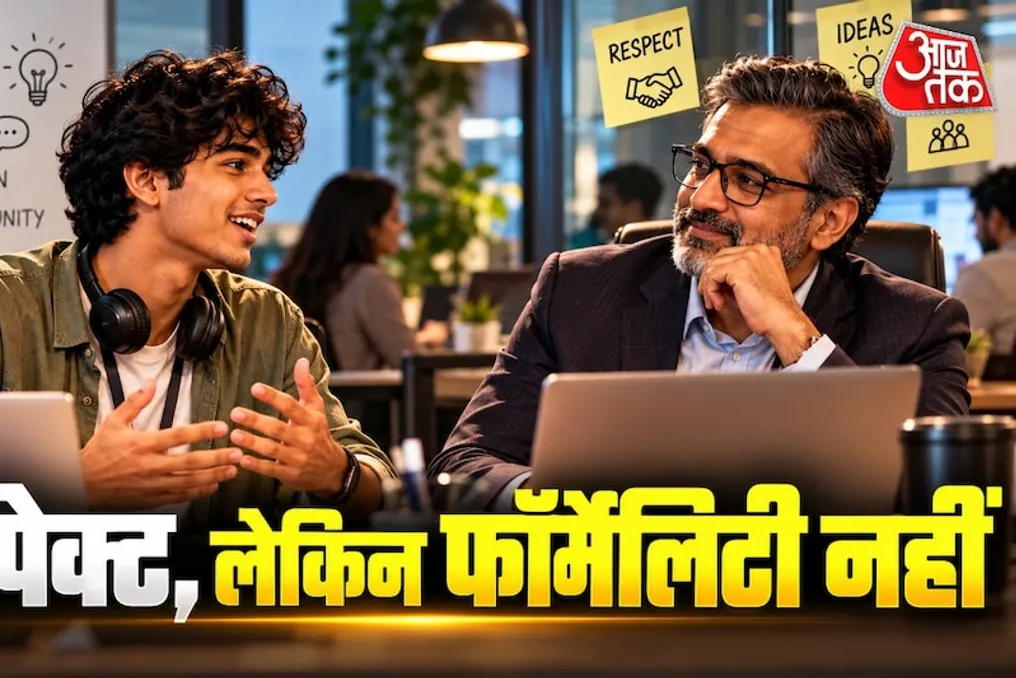
For members of Generation Z, respect for senior colleagues is an important aspect, but they do not feel the need to use 'Sir' or 'Ma'am' in every conversation. Their belief is that respect should be demonstrated through behavior, not just through the manner of address. If an employee can openly discuss issues with their boss, express their opinion, and question decisions, this contributes to creating a more favorable working atmosphere.

Generation Z seeks to reduce the distance between management and employees. In old office culture, a clear distinction in status between boss and subordinate was evident, and addressing the superior reflected this. Young people want to lower this gap in communication at the office, believing that all employees in the office are equal. Although positions may differ, everyone deserves respect equally.

Addressing someone by name does not mean that the boss and employee are on the same level. It simply means that there should not be excessive formality in communication. Nevertheless, it should be noted that these changes are not happening in all offices. In many institutions, addressing someone as 'Sir' or 'Ma'am' is still considered common and necessary, especially in large organizations with long traditions. Even members of Generation Z use this language in such places.

Thus, Generation Z's refusal to use 'Sir' is not a sign of disrespect, but rather reflects the evolution of office culture. The new generation values respect for status, but at the same time avoids fear or unnecessary distance in communication.

Popular