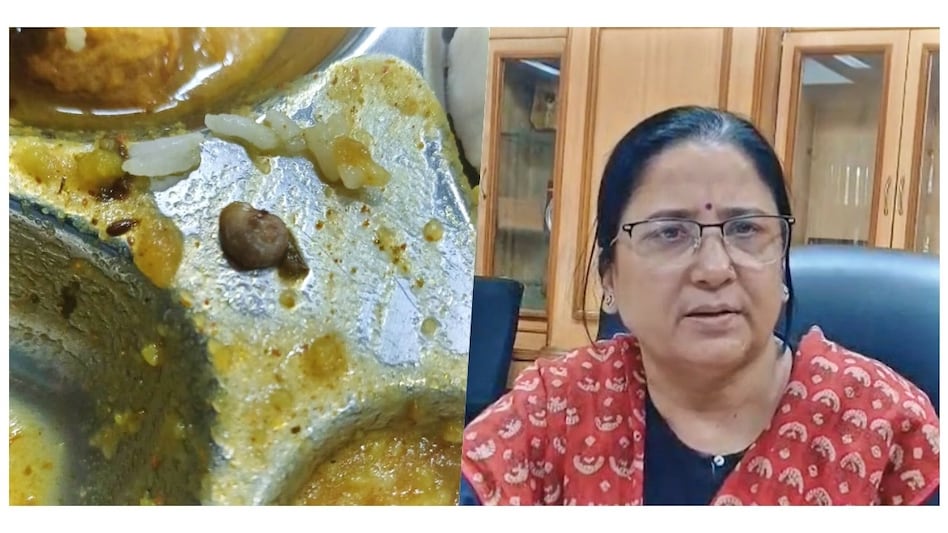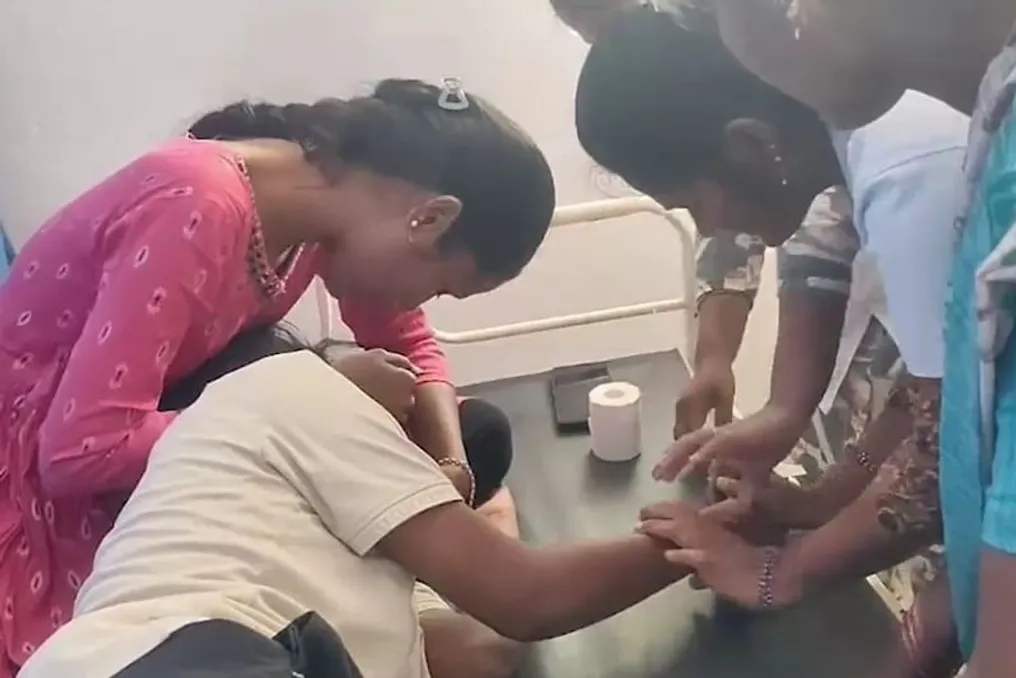
The health of about 28 female students deteriorated in the dormitory of a polytechnic college in Telangana. Symptoms included fever, headaches, and vomiting and restlessness in some girls. The students suspect that the decline in their well-being began after having dinner with chicken, but the college administration believes the cause could be a viral fever. Thus, the true cause of the illness has not yet been established, although the students are questioning the quality of the food.
The incident occurred at the State Polytechnic College for Women's Dormitory located in Parvathagiri, Telangana. Around midnight, some students began experiencing fever and headaches. It soon became known that about 28 girls were sick. According to the dormitory supervisor, she received information about the students' malaise and arrived on site around 4 am. The supervisor reported that 15 students complaining of fever and headache were given paracetamol.
One student recounted that she felt unwell around midnight after having chicken for dinner and had not taken any medication that night. The next morning, dormitory staff provided her with medicine. The college director, Ramesh, stated that he had received calls from the students and their parents. Some girls wanted to return home due to the fever, and after informing the dormitory supervisor, they were allowed to leave.
Following the worsening condition of the students, questions arose regarding both the food and the drinking water. Director Ramesh stated that an initial check of the college and dormitory water was conducted using a TDS meter, and the device readings were within normal limits. He also mentioned receiving information that the students might have a viral fever.
The dormitory supervisor also confirmed that all students ate chicken. Nevertheless, she suggested that some girls' digestive problems might have been caused by vomiting, while others might have had a viral fever.
Dr. Sunil Kumar mentioned that a medical camp was organized at the BC Welfare dormitory the day before, where about 250–270 students were examined. The girls received consultations on personal hygiene, allergies, and other issues, and were issued medications. Later, some students developed a fever. The doctor named viral infection and severe heat as possible causes. Blood tests and tests for malaria, typhoid, and dengue fever were conducted for approximately 10–15 students; some results were negative.
So what caused the malaise? There is no definitive answer at this time. The students believe their condition worsened after consuming chicken, whereas the college administration and doctors point to other possibilities, including viral fever. Confirmation of food poisoning is currently absent. The results of examinations will now be decisive, and the situation may become clearer after checking the food and water if necessary.