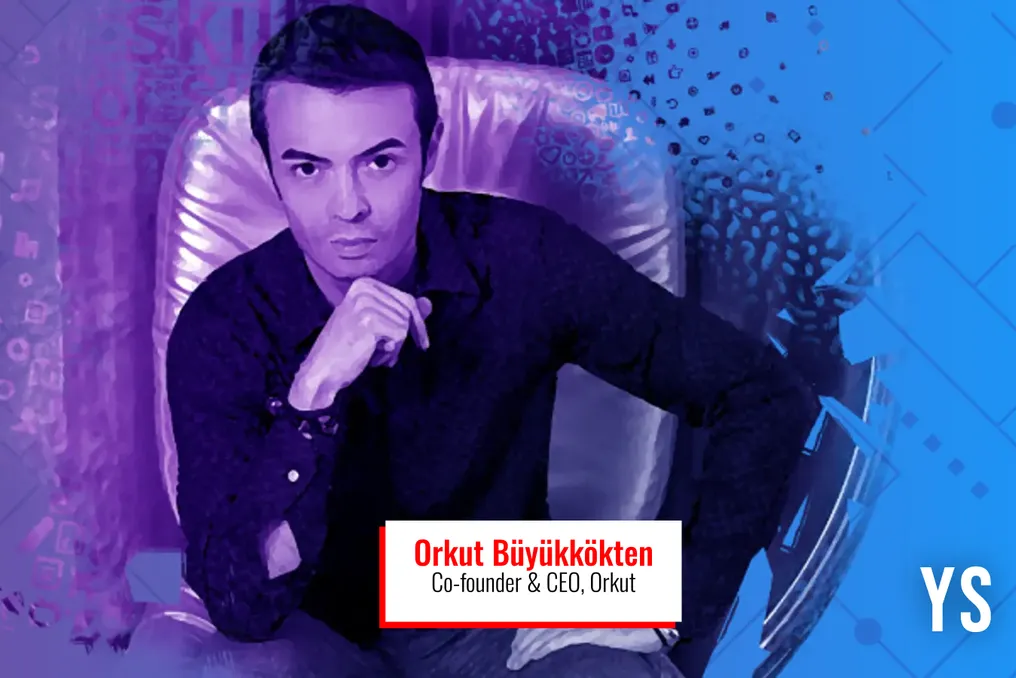
Orkut Creator Plans Platform Revival; Analysis of Amazon and Flipkart Sales Strategies During Holiday Season
Read more
YourStory [india, en]
yourstory.com

Orkut Creator Plans Platform Revival; Analysis of Amazon and Flipkart Sales Strategies During Holiday Season

Navanthek 'Navi' Pillay, a South African lawyer of Indian descent whose work contributed to the formation of international law on genocide and sexual violence, received the 2026 Nobel Peace Prize for her efforts to promote peace and international law, according to reports from the former head of the UN Human Rights Office.

In other news, the Indian industry association Nasscom noted that few employees are transitioning from H-1B visas to permanent residency through the PERM labor certification process. This statement followed the US suspension of new permanent residency applications for foreign workers from companies such as Microsoft, Cognizant, Infosys, TCS, and HCLTech, citing abuses throughout the process.

Historically, Indian IT companies have been the largest recipients of H-1B visas and have faced criticism from successive US administrations for hindering employment opportunities for US citizens.

Furthermore, it is noted that Corporate Social Responsibility (CSR) spending by Global Capability Centers (GCCs) in India has increased by 6.4% over the last decade, accounting for 9% of India's corporate philanthropy, according to one study.

A study conducted by Sattva Consulting and India Data Insights showed that CSR spending by GCCs reached 3,661 crore rupees in fiscal year 25, demonstrating a Compound Annual Growth Rate (CAGR) of 20.4%, compared to the overall growth of CSR expenditure at 15%.

Meanwhile, NABVENTURES, a venture fund of the National Bank for Agriculture and Rural Development (NABARD), completed the closing of its second fund, securing initial commitments of 450 crore rupees. The target size of the fund is 1,500 crore rupees, including a 'green shoe' option for additional investment placement.

Payment technology company Juspay reported a 30% year-on-year revenue increase for the fiscal year ending March 31, 2026 (FY26), reaching 664 crore rupees compared to 514 crore rupees in FY25.

Today's newsletter discusses the revival of one of the oldest social networking sites—Orkut. Orkut founder Büyükkökten shared his vision for reviving Orkut on X, stating that the internet should foster genuine friendship, community, and a sense of belonging, and called on users to support the return of Orkut in this spirit.

Regarding the competition between Amazon and Flipkart during holiday sales, the battleground has shifted from simple discounts on standard goods to ultra-fast delivery (quick commerce integration), scaling supply chains outside major metropolitan areas, flexible payment options, and customer acquisition through technology (AI assistants and influencer commerce).

Similar stories

Amazon and Flipkart mark strong start to 2026 seasonal sales in India
Read more
yourstory.com

Amazon and Flipkart mark strong start to 2026 seasonal sales in India

The two largest e-commerce platforms in India, Amazon India and Flipkart, have launched their annual major seasonal sales: Amazon Great Indian Festival (GIF) 2026 and The Big Billion Days (TBBD) 2026. Both companies reported high levels of consumer participation, a sharp increase in demand across various product categories, and increased use of fast delivery options in regions outside major metropolitan areas.

Amazon reported that over 440 million visits were registered during the initial phase of its sale, marking the highest figure in the platform's history. There was a 100% growth in orders compared to the previous year, and daily app downloads increased fivefold. Over 72% of all visitors came from regions outside the nine largest cities. The number of first-time buyers almost doubled year-on-year, and orders were received from every postal code in the country.

Meanwhile, Flipkart recorded 6.3 million concurrent users during peak load, attracting more than six times the active users compared to an ordinary hour. The platform also noted 287 million sessions registered during the early access period for Plus, Black program members, and co-cardholders.

Non-metro markets accounted for about 60% of the total activity volume, with tier three cities and below contributing nearly half of all visits in the first hour. During the same period, the number of new customers grew by 34%. Amazon highlighted exceptional momentum in the electronics and premium upgrades segments. Sales of premium Android smartphones grew by 70% compared to last year, while MacBook Neo sales increased 65 times compared to a normal workday. Large home appliances showed a 50-fold increase, led by washing machines (80 times), refrigerators (60 times), and home entertainment systems (77 times).

In the fashion sector, shoe sales speed reached seven pairs per second, and Nike sales grew 16 times compared to normal days. Denim clothing sales exceeded 1500 pairs per hour, and premium cosmetics sold at a rate of 150 units per minute.

Flipkart reported high demand for large home appliances, which grew by 30% year-on-year in the first hour, as well as a 73% rise in tablet sales. Overall cosmetic sales on Flipkart increased by 42%, and among Gen Z buyers, by 48%, driven by the growth in men's grooming. During peak hours, Flipkart processed over 1600 units of men's fragrances per minute. Regarding engagement, over 12.7 million users utilized Flipkart's live commerce and video shopping features, with 64% of voice search users coming from tier two markets and above.

Fast order fulfillment became a key area of competition on both platforms. Amazon stated that it fulfills orders within minutes in over 120 cities served by Amazon Now. Flipkart Minutes service showed a 3.5-fold increase in order volumes compared to normal days, and the number of new customers increased elevenfold in the first hour. A record delivery example was the handover of an iPhone 17 to a customer in New Delhi in just 3.4 minutes.

The conversion of high-value purchases was stimulated by accessibility options. Half of Amazon's buyers utilized installment options (EMI), transactions via Amazon Pay Later doubled, and the user base grew by 80% year-on-year. Similarly, Flipkart reported that one in three mobile device buyers chose interest-free installments, and one in four used exchange offers.

Seller participation expanded on both platforms. Amazon reported that sellers listed more than twice the quantity of goods in the first 24 hours compared to last year, with sellers earning over 1 crore rupees in sales, exceeding growth by more than 80%. Growth categories for sellers were led by cosmetics (7 times), kitchenware (4.2 times), and wireless devices (3.4 times).

Some key partner brands demonstrated a significant surge, such as Philips (10 times higher than the baseline), Reebok (doubling sales year-on-year), WROGN (10 times higher than the baseline), and Penguin Random House India (nearly 50% growth year-on-year).

Flipkart noted that 51% of transacting sellers doubled their standard daily activity during the early access period. Sellers based in tier two markets and above, such as small businesses and SMEs, achieved a 2.9-fold growth, with manufacturing and trade centers, including Bhiwandi, Panipat, Tirupur, and Hisar, leading the sales momentum.

Orkut creator publishes petition after discussion about the future of social networks
Read more
tecnoblog.net

Orkut creator publishes petition after discussion about the future of social networks

Orkut once again attracted internet attention on Thursday (10/08), but not in the way many users expected. A countdown concluded, leading to the publication of only an online petition and a letter from the creator of the old social network.

In his message, Orkut Büyükkökten criticizes the current model of social networks, paying special attention to engagement-based feeds. He also raises questions about the use of artificial intelligence and bots on the internet, advocating for the creation of an environment that prioritizes people and communities.

In 2024, Büyükkökten announced work on a new social network but has not disclosed many details about the project since then. The proposal presented now still appears to be in the early stages of development.

The website invites interested parties to support the creation of the platform and provide their data to demonstrate interest in the project. However, registration does not guarantee receiving an account in the future network nor does it mean that it already has a launch date.

The original social network Orkut was launched in 2004 and closed by Google in September 2014 after ten years of existence. The initiative announced on Thursday is not a reactivation of that old network but represents a new project by Büyükkökten.

The social network was particularly popular in Brazil and was associated with the culture of internet cafes and computer clubs that spread across the country in the 2000s. Brazil is also mentioned as the main origin of supporters of the new initiative: according to data presented on the site itself, more than 70% of the signatures on the petition come from there.

Popular