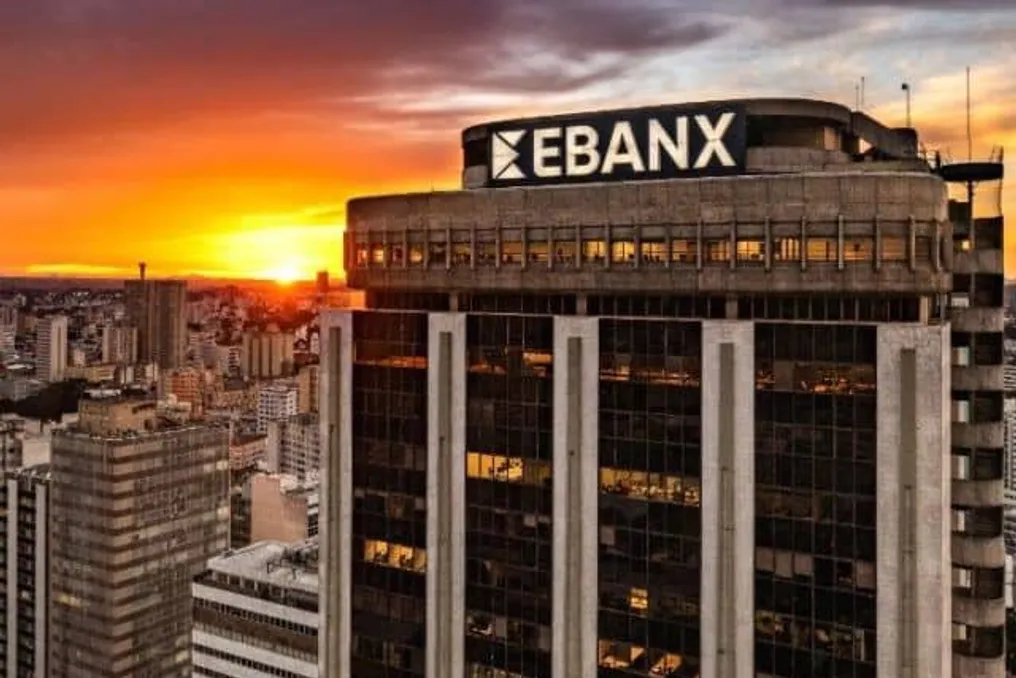
Study projects Brazilian spending on games will increase fivefold by 2035
Read more
Olhar Digital
olhardigital.com.br

Study projects Brazilian spending on games will increase fivefold by 2035

The gaming market in Brazil is expected to experience considerable growth over the next decade. According to a survey conducted by EBANX, using data from the World Data Lab (WDL), Brazilian spending on games, accessories, consoles, and related services is projected to jump from US$ 1.7 billion to US$ 8.5 billion by 2035, representing a fivefold increase.

This projection indicates a compound annual growth rate of 19.5%, which is the highest among e-commerce segments in Brazil. For comparison, the SaaS (Software as a Service) sector forecasts an annual growth of 16.4%, while online education has an estimate of 12.4%.

The survey points out that Brazil has the highest projected growth rate in Latin America and ranks third among the fifteen countries with the largest spending volume on games, trailing only Taiwan (with 24.7%) and Italy (with 19.7%).

This national advance reflects a globally observed trend. It is estimated that global spending on games will grow from US$ 206.1 billion to US$ 633.8 billion by 2035. Emerging markets will play a crucial role in this expansion, accounting for 42 of the 50 highest projected growth rates worldwide.

The study also detailed the profile of consumers who will drive this sector. In Brazil, 51.3% of the increase in game spending will come from middle and lower-middle classes, and 48.3% will be linked to individuals under 45 years old. In emerging markets generally, these percentages reach 61.1% and 51.6%, respectively.

Estelita Hass, Market Intelligence Lead at EBANX, attributes this growth to the inclusion of new consumers in the segment. She stated that 'Growth rates at this level are related to the entry of new players into the market, people who are consuming games for the first time and paying for something that was previously unaffordable for them.'

In addition to the increase in the number of users, the research highlights the relevance of local payment systems for the Brazilian market. Internal EBANX data shows that Pix is already the most used payment method in a large gaming company served by the firm. In another example, the installment option was responsible for a 12% increase in the total revenue of a sector company in Brazil.

The analysis suggests that adapting payment options to consumer reality can be decisive for expanding access to digital services and games. With the Brasil Game Show 2026 scheduled for October 9th to 12th, this data aids in measuring the development potential of the Brazilian industry, particularly among consumers who are increasing their participation in the gaming universe.

Similar stories

SUV sales surpass 1 million in Brazil in 2026, driven by various models
Read more
autopapo.com.br

SUV sales surpass 1 million in Brazil in 2026, driven by various models

The Brazilian SUV market registered an expressive volume of sales, with over one million units registered in the country throughout 2026. Specifically, the month of September consolidated this accumulation, totaling 1,007,320 vehicles, which represents a slight reduction of 88,322 units compared to the total sales of 2025.

In September, the Volkswagen T-Cross model achieved the position of best-selling SUV in Brazil, maintaining its leadership from previous years and ranking at the top of the 2026 cumulative sales, with 9,339 units registered during that period.

In second place was the Tera, which has shown constant growth and has led on certain occasions; in the annual cumulative sales, the difference between it and the leader is only 624 units. The Fiat Pulse occupied the third position, demonstrating a significant increase in sales when compared to the previous month.

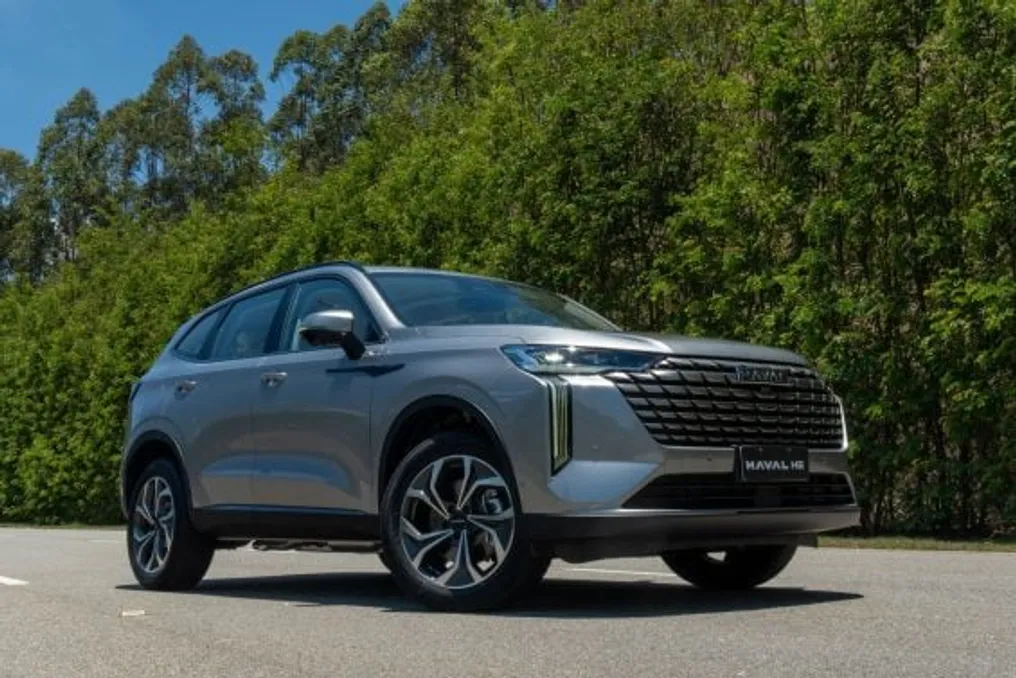
The fourth best-selling SUV in September was the GWM Haval H6, whose performance has soared since it began being manufactured in Brazil and gained a flex version. The Toyota Yaris, launched at the beginning of the year, reached fifth place and has already surpassed the Corolla Cross in the annual cumulative sales.

Furthermore, the Hyundai Creta and Chevrolet Tracker remain among the most popular SUVs in Brazil, being present in the top 10. Chinese manufacturers have been investing heavily in this segment in Brazil; besides the Haval H6, the Caoa Chery Tiggo 7 also features in the top 10. The BYD Song Pro concludes this upper part of the ranking, being flex and assembled in Camaçari under the SKD regime.

Other Chinese brands with good performance include Chery Global, with the Omoda 5 in 14th place, and the Jaecoo 7 in 22nd. The company promises future expansion with the introduction of the hybrid Jaecoo 5.

Returning to more conventional SUVs, those derived from pickup trucks, the Toyota SW4 resumed its leadership. The competition for the top of the annual cumulative sales remains fierce against the GWM Haval H9.

With this data, the year 2026 points to breaking a sales record in Brazil, an achievement that will be led by SUVs, which account for more than half of all registrations.

The functioning of virtual currency top-ups in Brazil and its integration into the gaming economy
Read more
olhardigital.com.br

The functioning of virtual currency top-ups in Brazil and its integration into the gaming economy

Virtual currencies, such as diamonds, credits, and points, have become crucial elements in the video game economy. They allow users to acquire content like characters, passes, and skins without needing to buy a new game, significantly altering how companies monetize titles that remain active for long periods.

In the Brazilian context, this market has developed its own particularities due to the popularization of digital payment methods and the increase in free-to-play games, especially on mobile devices. Currently, top-ups can be made directly within the game, through platform stores, or via external partners and services.

Behind what seems like a simple purchase lies significant competition over who will mediate the interaction between the player and the game at the moment of spending. Although the traditional method of making a transaction within the game itself still exists, it is no longer the only available route.

Game developers (Publishers) have begun collaborating with proprietary stores and partner distributors, while retailers and specialized platforms have started offering gift cards, credits, and top-ups. This allows companies to expand their points of contact with the consumer while offering the player more options on where and how to make their purchases.

The result is a market where the same virtual currency can be obtained through various channels, each presenting its own payment offers, promotions, or advantages.

The way Brazilians make payments also shapes this ecosystem. Top-up services can integrate common daily consumer methods, such as Pix, instead of relying solely on credit cards. This aspect is particularly notable in free-to-play games, where the user can start without cost and subsequently invest small amounts in items or currency.

In this scenario, reducing the barriers between the intent to purchase and the act of paying is part of the monetization strategy. The more aligned the process is with local financial habits, the easier it becomes to convert in-game interest into an effective transaction.

When an individual acquires, for example, R$ 50 in diamonds, these amounts are not always fully received by the publisher responsible for the game. Depending on the chosen channel, the operation may involve payment processing companies, distribution companies, and the platform where the purchase occurred; each involved party may have distinct commercial terms.

It is this supply chain that explains the publishers' interest in creating proprietary stores or forming external partnerships. The issue transcends merely facilitating the player experience; it also involves tighter control over the commercial relationship with the consumer and the management of revenue generated by the title.

Thus, for corporations, top-up has evolved into a strategic component of the business, surpassing the function of a mere final button in a virtual store.

Another change occurs outside the scope of conventional purchasing. In-game credits have begun to be incorporated into loyalty programs and brand campaigns. In this model, virtual currency ceases to be just an item sought for buying a skin, starting to serve as a reward to encourage frequency and keep the consumer engaged in a specific environment.

This logic is familiar in other segments, such as using airline miles or bank points. In games, virtual items and currency can play a similar role, with the distinction that the reward is directly linked to the consumption the public already performs in their entertainment.

It is in this context of transformation that models like Gamin PLUS emerge, a membership club aimed at the gaming audience. Unlike being a store focused solely on selling currency, this service uses its own system called G-Coins, which can be exchanged for benefits from a rotating catalog.

This catalog can include PC games, as well as credits and currency from titles such as PUBG Mobile, EA SPORTS FC Mobile, Honor of Kings, Arena Breakout, and New State Mobile. The standard monthly fee for this service is R$ 40.

The most relevant aspect of this format, from a market perspective, is not just providing another way to obtain credits. It is the attempt to convert an usually sporadic purchase into a continuous relationship. Clubs like this seek to maintain a constant connection with the player through benefits, community, and other experiences, rather than competing only at the moment they decide to buy diamonds or a skin.

This evolution demonstrates how the economy surrounding virtual currencies is being reconfigured. The path between real money and diamonds persists, but increasingly, companies show interest in occupying this space, whether by processing the purchase, distributing credits, or integrating the top-up into a larger ecosystem of player relationship.

Popular