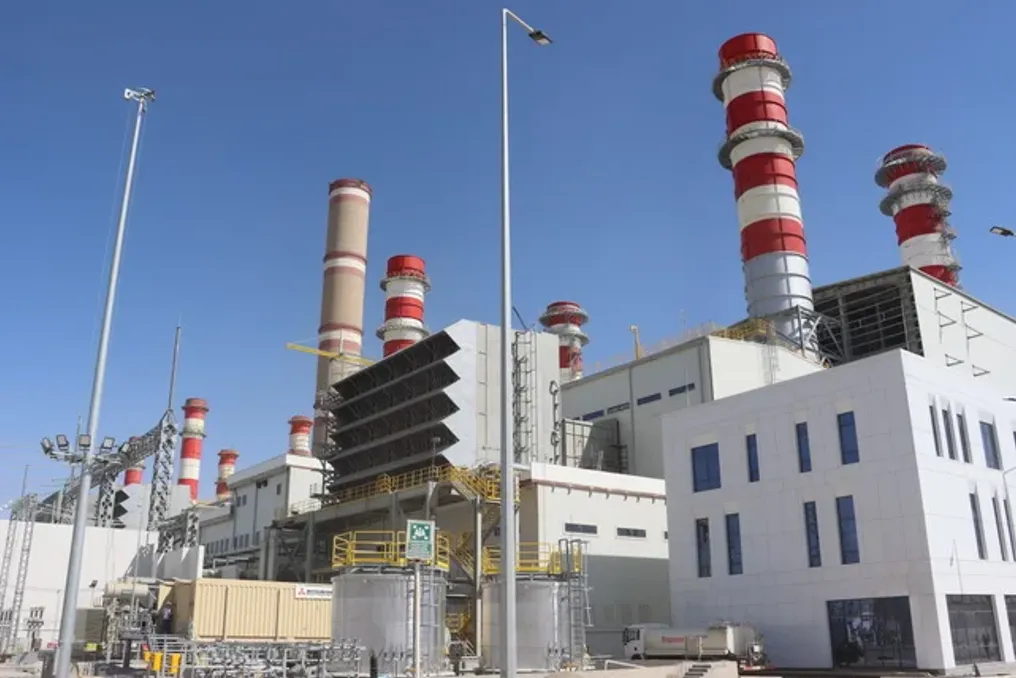
Uzbekistan's thermal power plants saved 7 million cubic meters of gas by implementing energy-saving technologies
Read more
UzDaily
uzdaily.uz

Uzbekistan's thermal power plants saved 7 million cubic meters of gas by implementing energy-saving technologies

The thermal power plants of Uzbekistan continue to implement energy-saving and renewable energy technologies as part of their operations.

Between January and September 2026, the use of solar energy and the application of additional measures to increase energy efficiency allowed for the production and saving of approximately 28 million kWh of electricity, as well as a reduction in natural gas consumption by 7 million cubic meters.

One of the key areas of work was the expansion of solar generation. Photovoltaic installations with a total capacity of 15.9 MW were commissioned at the company's facilities, which provide part of its own electricity needs.

In the first nine months of the year alone, solar panels generated 14.6 million kWh of electricity. This allowed for the saving of 3.7 million cubic meters of natural gas, which can now be directed to meet the needs of the population and the economy instead of being used in electricity generation. These economic benefits are particularly important ahead of the autumn-winter period.

The sector is also implementing initiatives aimed at reducing electricity consumption. 1,520 autonomous solar-powered lighting fixtures were installed to illuminate the facility grounds, along with 1,783 motion sensors. Additionally, 181 variable frequency converters were mounted on electric motors.

According to the company's data, these measures led to an additional electricity saving of 13.2 million kWh between January and September 2026, equivalent to a saving of 3.3 million cubic meters of natural gas.

Another important measure is the use of solar water heaters. 117 such units, each with a capacity of 200 liters, operate at the company's facilities. Their use helps reduce the consumption of traditional energy resources, and the assembly of equipment at local enterprises supports domestic production.

Thus, the deployment of solar power plants, autonomous lighting, automated control systems, and water heating equipment represents a comprehensive approach to improving energy efficiency in the sector.

Economic advantages are accompanied by environmental benefits. Preliminary estimates show that preventing the burning of 7 million cubic meters of natural gas avoids the emission of approximately 9,000–11,000 tons of carbon dioxide.

The thermal power plants have announced their intention to continue expanding the use of renewable energy, implementing energy-saving technologies, and reducing electricity consumption for their own needs. The goal of these measures is to improve the efficiency of fuel and energy resource utilization, reduce the burden on the environment, and strengthen the country's energy stability.
Similar stories

Basic electricity consumption standard to be raised in areas without gas supply
Read more
sputniknews.uz

Basic electricity consumption standard to be raised in areas without gas supply

President Shavkat Mirziyoyev approved a proposal to increase the basic standard of electricity consumption for areas lacking gas supply or gas delivery. The basic standard has been increased from 200 kWh to 350 kWh for electricity use during the heating season.

At the meeting chaired by the President, measures for social support of the population during the autumn-winter period were presented. Among the proposed measures is the extension of the coverage period for part of the expenses for electricity and gas exceeding the basic standard until April 1, 2028.

This measure is expected to cover 470 thousand families over the year. Additionally, a proposal was considered to increase the maximum income per person for supporting needy families not included in the unified social register to cover expenses for electricity, gas, coal, and utilities, up to 1,430,000 UZS. This will further expand support coverage to another 166 thousand families.

It was also proposed to consider providing one-time financial assistance to needy families in December. Work continues on equipping 3 thousand homes in settlements with difficult conditions with heating systems and installing energy-saving equipment in them.

Mirziyoyev instructed the government to ensure the timely transfer of funds for aid and guarantee their receipt by needy families. He also gave directives on improving the efficiency of managing energy enterprises, as well as reducing excess costs and losses in the networks.

Uzbekistan plans to increase wind power capacity to over 10 gigawatts by 2030
Read more
podrobno.uz

Uzbekistan plans to increase wind power capacity to over 10 gigawatts by 2030

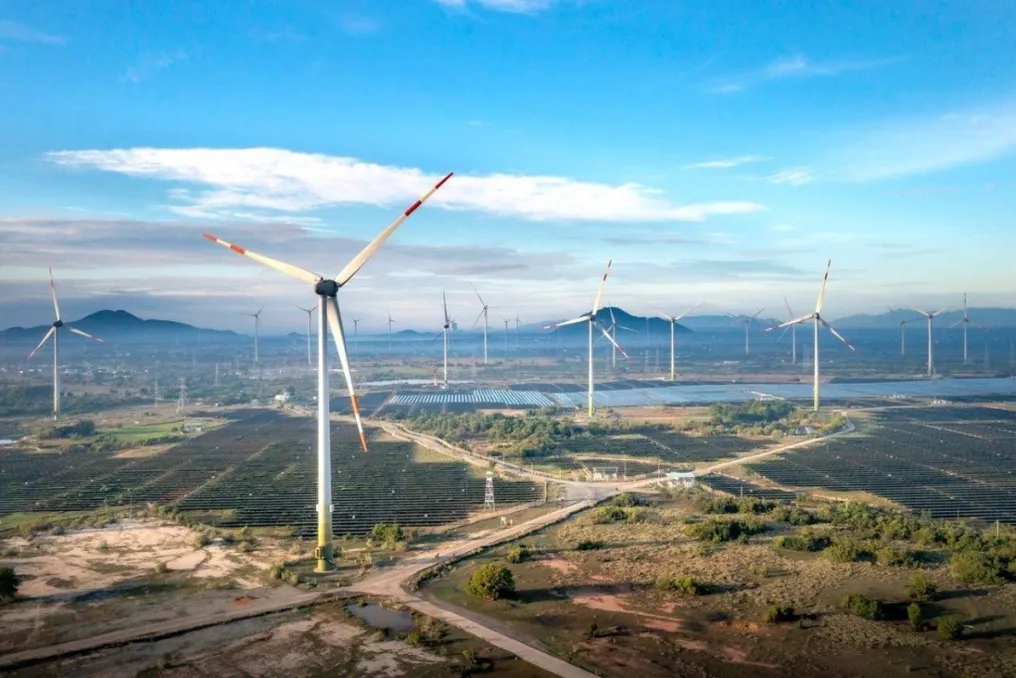
The authorities of Uzbekistan intend to significantly increase the production of wind energy, planning to raise the total capacity of wind power plants in the country to over 10 gigawatts by 2030.

Compared to solar installations, wind power plants in Uzbekistan are capable of generating approximately 1.4 times more electricity under identical operating conditions. This is because wind farms in local conditions can operate for about 3,200 hours annually, whereas solar stations operate for approximately 2,300 hours.

Thus, with an equal installed capacity of one megawatt, a wind farm can produce approximately one and a half times more electricity per year than a solar one.

The development of wind energy is considered one of the most important directions in the structure of renewable energy sources in Uzbekistan, and new stations and high generation levels will help the country diversify its electricity generation sources and increase the share of renewable energy.

The Ministry of Energy notes that this development will help achieve the goal of increasing the share of renewable energy. According to available data, this share already reached 45% as of June 2026, which is higher than the figure of 33.6% in the previous year.

Popular