Dubai public transport passengers can use QR codes instead of Nol card
Read more
Khaleej Times
www.khaleejtimes.com

Dubai public transport passengers can use QR codes instead of Nol card

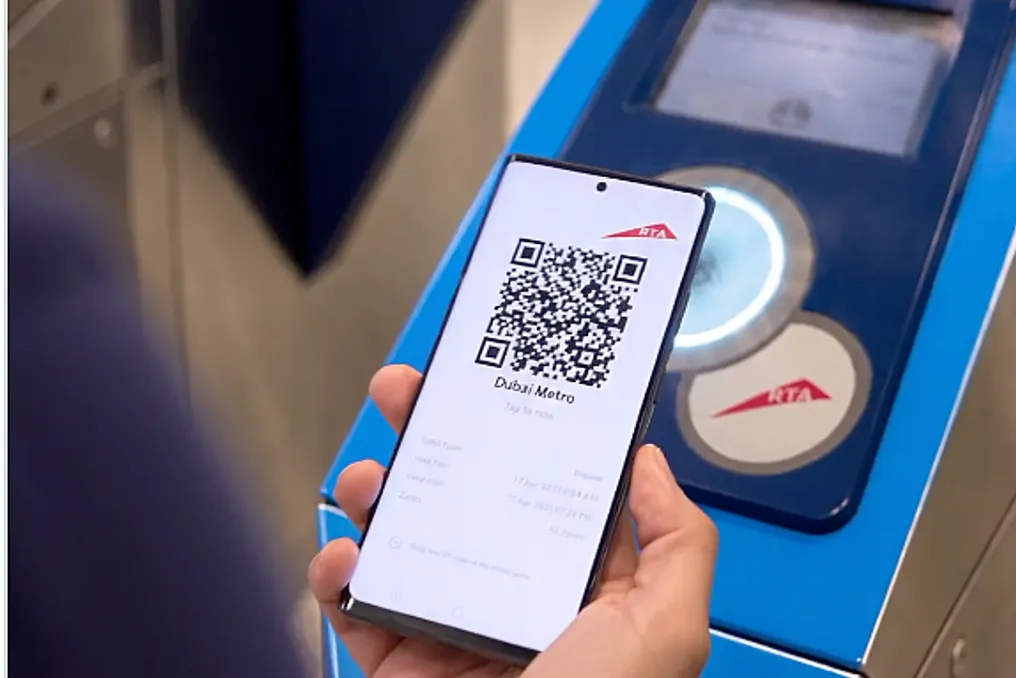
Public transport passengers in Dubai can now use QR codes on their phones to access the metro, trams, and buses, eliminating the need for paper tickets. This was announced by the Roads and Transport Authority (RTA) on Friday, October 9th.

To start a journey, passengers can obtain their QR code through the Nol Pay or S’hail applications and scan it on the blue entry turnstiles. The RTA advised users to obtain the QR code in advance through one of these applications and scan it at the gates before heading to their destination.

The new payment method applies to the red Nol ticket, which is intended for single and occasional trips, with the fare depending on the number of zones crossed. This change provides rare users and visitors with a digital option, simplifying the payment for individual routes within the Dubai public transport network.

Similar stories

Etihad Rail in Dubai adds option to purchase Nol day pass for metro, tram, and buses
Read more
www.khaleejtimes.com

Etihad Rail in Dubai adds option to purchase Nol day pass for metro, tram, and buses

Passengers booking trips on Etihad Rail in Dubai can now add a Nol day pass, starting from 22 dirhams, to their ticket. This allows travelers to combine inter-emirate rail journeys with unlimited travel on the Dubai metro, tram, and bus network using a single QR code.

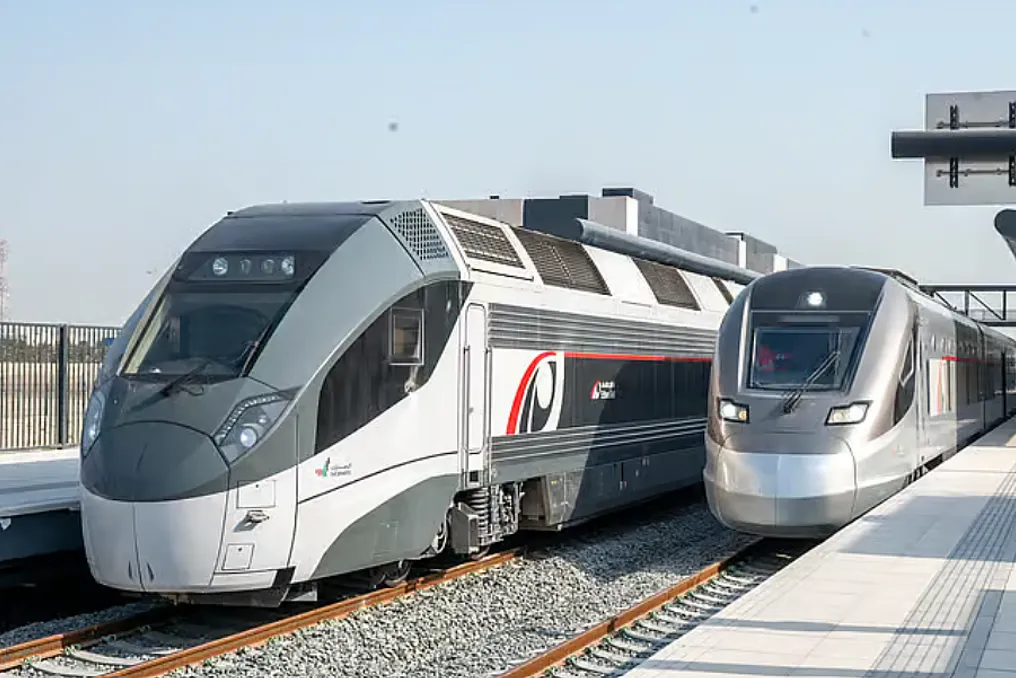
This addition comes ahead of the launch of passenger services on Etihad Rail from Dubai on September 30th. These routes will connect Al-Yalayis Station in Jumeirah Golf Estates with Abu Dhabi and Fujairah. This step provides passengers with an additional way to continue their movement around Dubai after using Etihad Rail services.

As previously reported by Khaleej Times, the Dubai Al-Yalayis station is connected to the Jumeirah Golf Estates Metro Station on the Red Line, ensuring connectivity with Dubai's public transport.

When adding the Nol day pass to an Etihad Rail booking, passengers can use both their rail ticket and the public transport pass via the same QR code. This code will be available in the Etihad Rail app and in the booking confirmation email, and it can be presented if necessary during the journey.

A review of the Etihad Rail booking platform conducted by Khaleej Times showed two options for the Nol day pass: the Standard Nol Day Pass at 22 dirhams per passenger and the Gold Nol Day Pass at 42 dirhams per passenger.

Gold Pass holders can use first-class carriages on the Dubai metro and tram. It is important to note that passengers can purchase the Gold Nol Pass regardless of the class they booked on Etihad Rail; for example, a traveler with a Comfort class ticket can still choose the Gold Nol Day Pass.

This pass is valid for travel on the Dubai Metro's Red and Green Lines, as well as on RTA public buses in the respective zones. This may allow an Etihad Rail passenger arriving in Dubai to transfer to the Jumeirah Golf Estates metro and continue their journey to other parts of the city before, if necessary, switching to the tram or bus network.

During the booking of an Etihad Rail trip, passengers can navigate to the 'Through Travel Options' section before checkout and select the Nol day pass. They can then choose between the standard and gold options and complete the combined booking. The process can also be initiated through RTA's smart channels, including Nol Pay and S’hail, by selecting the Etihad Rail option, which will redirect to Etihad Rail channels to finalize the booking.

The Nol day pass is valid for 90 days from the date of purchase until activation. Once activated, it is only valid for that day. Etihad Rail states that passengers do not need to use the pass on the same day as their train journey; even if the Etihad Rail trip has already concluded, the pass can be activated at any time within the 90-day period.

If a passenger misses an Etihad Rail train, the Nol day pass is non-refundable, but it can still be used within 90 days from the date of purchase. The Nol pass is issued by the Roads and Transport Authority of Dubai and is governed by RTA's tariff policies and applicable terms. It is a personal product for one passenger and cannot be shared, duplicated, or transferred to another person.

New Dubai Fourth Corridor promises residents reduced travel time and less traffic
Read more
www.khaleejtimes.com

New Dubai Fourth Corridor promises residents reduced travel time and less traffic

Residents of new, more distant areas of Dubai have long faced the problem of long commutes across the city, affecting daily needs such as trips to school, work, or short excursions to the city center.

Now, many Dubai residents believe that the implementation of the Fourth Corridor can solve this issue. For instance, 17-year-old student Damien Dexter Goveas, who has lived in Damac Hills 2 for almost five years, noted that connectivity with the rest of the UAE and central Dubai presents significant difficulties. He reported that getting anywhere in the city takes a minimum of 45 minutes from his home but believes the Fourth Corridor will make trips into the city and to school significantly easier and faster.

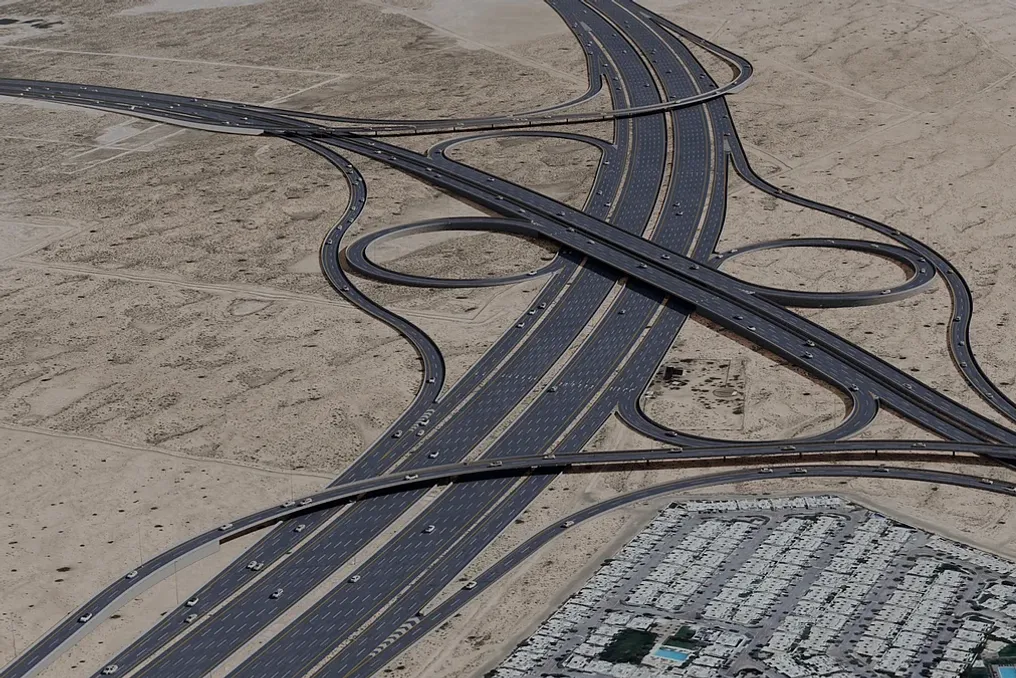
Last week, Sheikh Hamdan bin Mohammed bin Rashid Al Maktoum, Crown Prince of Dubai, approved the implementation of this 80-kilometer project in the emirate. This new arterial route will be the fourth major road connecting the emirates, alongside Sheikh Zayed Road, Sheikh Mohammed bin Zayed Road, and Emirates Road.

Muhammad, a Dubai resident who purchased property in The Valley, was initially skeptical about the project, fearing it was too far from central Dubai. However, his confidence was strengthened by the existing Dubai–Al Ain road and the Dubai 2040 plan. Now, after the confirmation of the Fourth Corridor, he feels his investment is paying off. He added that adding an extra lane between Emirates Rd and Lehbab Rd will make journeys even smoother.

The corridor will also provide fast access to Al Maktoum Airport, Abu Dhabi, Sharjah, and the northern emirates. Muhammad emphasized that this will eliminate the need to connect to existing highways when traveling to other emirates. He is also confident that his property value will increase, as improved transport accessibility will be an advantage rather than a drawback for future developments in the area.

This project will also help his family. His daughter, who is currently taking A-level exams, is considering universities in Academic City, Sharjah, and Abu Dhabi. Muhammad noted that travel time and connectivity were one of their concerns, and the new project should ensure faster movement regardless of where she enrolls.

Construction will proceed in two phases. The first phase covers approximately 30 km from Al Shanouf Road in Sharjah to the Dubai–Al Ain road, costing about 3.5 billion dirhams. The second phase will add another 50 km to Al Faya Road in Abu Dhabi. The highway will feature 12 lanes, 72 bridges, 17 tunnels, and 45 drainage culverts. It will be capable of handling up to 24,000 vehicles per hour and will be directly connected to Al Maktoum International Airport and Etihad Rail.

Joseph Salem, Partner and Head of Transport and Hospitality Practice at Arthur D. Little Middle East, believes this project aligns with the concept of forward-thinking infrastructure planning required by the region. He stated that by integrating road, air, and rail connectivity into a single corridor, Dubai is once again demonstrating an approach to transport as an integrated system, rather than a series of isolated fixes.

He also noted that combining a 60 percent reduction in travel time with real multimodal connections shows that Dubai is 'building potential that matches its long-term demographic and economic ambitions, rather than just reacting to today's transport pressure.' For Damien, the new highway offers hope for the development of a good public transport system. He mentioned that there are currently few accessible public transport options for city travel and hopes that after the corridor is completed, RTA will begin implementing faster and more convenient direct bus routes. He also suggested that introducing good feeder bus routes from nearby metro stations and Etihad Rail stations would be a big step forward.
Popular