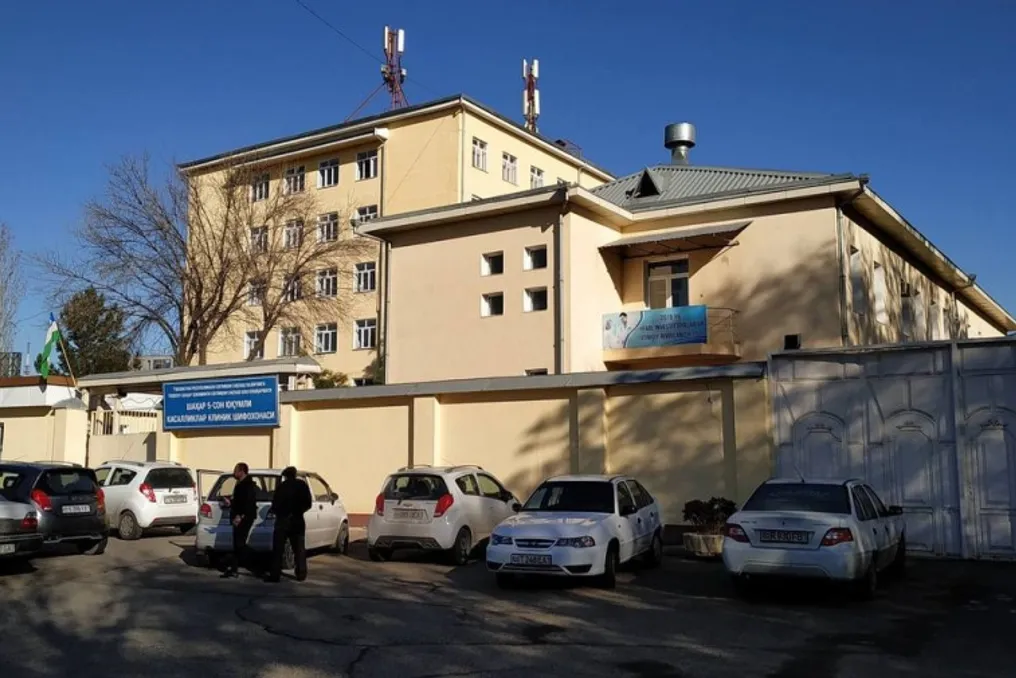
Social media posts claiming that a laboratory for diagnosing plague is being prepared in one of Uzbekistan's infectious disease hospitals caused alarm among the local population. However, Nurmat Atabekov, the First Deputy Chairman of the Committee for Sanitary and Epidemiological Welfare and Public Health, commented on this situation, clarifying what these publications signify and whether there is a real threat.
The situation intensified against the backdrop of information circulating in the media and social networks in early October regarding a possible case of plague in a 27-year-old resident of the Irkutsk region of Russia. After confirming the death of this woman, the hospital was placed under quarantine, and all contacts were isolated and placed under medical observation. Later, Rospotrebnadzor clarified that the case involved pneumonia of unknown cause, and the epidemiological situation remains stable.
Following the emergence of these news reports concerning the Irkutsk region, the Ministry of Health of Uzbekistan issued a statement asserting that the epidemiological situation regarding plague in the country is stable, and there are no grounds for concern. The Sanitary and Epidemiological Committee has been closely monitoring developments in Russia.
Nurmat Atabekov, commenting on the reports about establishing laboratories, emphasized that the existence of such facilities and reserve capacity is a standard procedure for the infectious service, not a direct reaction to any specific danger. He also assured that there is no reason for panic.
The laboratory capabilities are designed to analyze a wide range of infections. The most dangerous include plague, cholera, anthrax, tularemia, and brucellosis. Furthermore, these laboratories conduct tests for various intestinal infections, such as salmonellosis, dysentery, and typhoid fever, as well as viral diseases, including HIV, measles, influenza, and COVID-19.
The rapid spread of alarming posts on social media occurred due to sensational headlines mentioning plague. Users often ignored caveats about the lack of confirmed data, and the photograph of the hospital lent an appearance of veracity to the messages.
Residents are strongly advised to verify the information received with official sources, such as announcements from the Ministry of Health and the sanitary-epidemiological service, and refrain from forwarding unconfirmed materials.
In parallel, a comprehensive set of preventive measures was concluded in the Irkutsk region following the death of Daria Shipilova, a 28-year-old employee of the anti-plague institute. Regional authorities reported that inspections found no violations in handling dangerous microorganisms, and no health problems were detected in people who had come into contact with the deceased. The cause of Daria Shipilova's death was cited as community-acquired pneumonia.