In many places in South Africa, the surrounding environment itself is the main attraction. Here you can enjoy turquoise waters, quiet historic streets, vast desert horizons, and secluded spots by the river where you can watch what is happening around you for hours.
The essence of this approach is not a complete refusal of activities, but rather stopping the habit of filling every day with the maximum possible number of events. You need to choose a location, allocate free time slots in your schedule, and allow the best moments to happen naturally, without a rigid timetable.
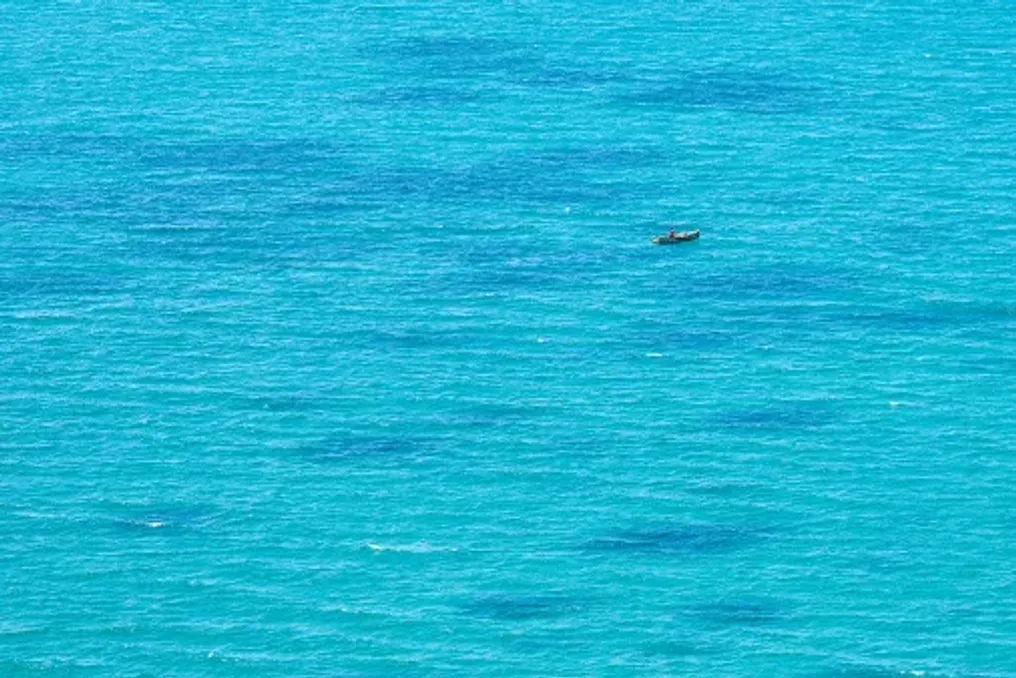
Some vacations are best measured by the number of hours spent barefoot. For example, Benguerra Island, part of the Bazaruto Archipelago in Mozambique, is surrounded by the warm waters of the Indian Ocean, light sandy beaches, and a unique marine environment. Such a place encourages slowing down even before the tourist unpacks their bags.
This island is known for its beaches, protected bays, and opportunities for exploring the marine environment. While snorkeling, diving, and dhow excursions are available for those who want to hike, there is no need to fill every day with activities. A leisurely breakfast, a walk along the shore, and a midday rest in the shade will suffice.
The appeal of Benguerra lies in the ability to appreciate small details: the changing color of the water, the gentle breeze among the palms, and the sound of the ocean outside your accommodation. If you want to go somewhere, it is better to choose one activity rather than booking different excursions for every morning.
Benguerra is also ideal for travelers for whom the stay itself is part of the experience. It is important to carefully study accommodation options, as the island is associated with expensive lodges, and staying here can cost significantly more than a beach holiday on the mainland.
The 'doing nothing' plan: have breakfast by the water, take a leisurely walk on the beach, and spend the second half of the day swimming, if the weather permits, or reading in the shade.
To reach the island, you should fly to Vilankulo on the mainland of Mozambique, and then arrange a transfer by boat or another means of transport to your accommodation. Before booking, you must clarify the cost and details of transfers, as the island's logistics can significantly increase the cost of the stay.
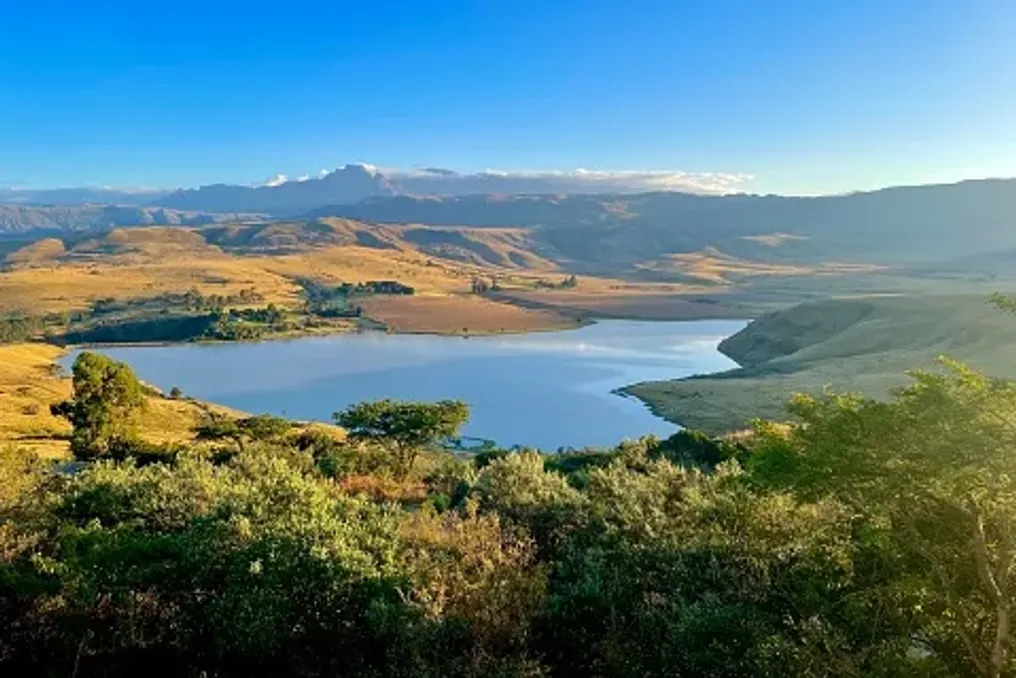
On the northern coast of Lake Malawi, Chinteche offers a different kind of island-style relaxation without needing to leave the mainland. Long sandy stretches, tropical vegetation, and accommodation overlooking the freshwater lake make this place attractive to those who want to replace a hectic resort schedule with calm days by the water.
You can start the day with a breakfast overlooking the lake, then walk on the sand or find a comfortable spot to watch the water. If you feel like doing something, kayaking, snorkeling, or swimming can be a pleasant change of pace, depending on the conditions and location.
Simply being there also brings pleasure. You can read under a tree, enjoy a slow lunch, or watch how the lighting over the lake changes throughout the day. There is no need to organize an excursion to justify that day.
The northern coast of the lake is a good choice for travelers seeking a slower pace in Malawi, away from the busier areas of the lake. You should choose accommodation that provides direct access to the shore or comfortable open areas so you can enjoy the surroundings without having to arrange transport every time you want to go out.
The 'doing nothing' plan: spend the morning by the lake, linger over lunch, and let the second half of the day unfold between reading, leisurely walks, and time by the water.
How to get there: Chinteche is located along the northern coast of Malawi, between the areas of Nkhata Bay and Nkhotakota. Land transfers are possible, but arranging transport through your accommodation can simplify the trip.
Not every slow vacation requires a sun lounger on the beach. On Ilha de Mozambique, the pleasure lies in wandering through a place with centuries of history, stopping at points of interest, and letting the streets dictate the pace.
This small island in northern Mozambique was an important trading center on the Indian Ocean routes. Its historical architecture reflects a rich blend of African, Swahili, Arab, Indian, and European influences, and the fortified town is a UNESCO World Heritage site.
The historic settlement is known for its ancient stone and lime buildings, religious structures, and fortifications. Instead of trying to see all the sights in one morning, it is worth choosing a street and following it. Stop to admire a doorway, sit down for a drink, or observe daily life.
Visiting one of the island's historical sites can add structure to the day without making it rushed. After that, leave time for a unhurried meal and a spontaneous walk near the water.
Ilha de Mozambique is especially suitable for those who value atmosphere as much as scenery. You can learn about the island's past without turning the experience into a museum race.
The 'doing nothing' plan: take a slow morning walk, visit one or two historical sites, and then spend the rest of the day enjoying the island at your own pace.
How to get there: Ilha de Mozambique is connected to the mainland by a bridge and is in the Nampula province. Plan land or air connections in advance and check local travel conditions before departure.
The Atlantic coast of Namibia offers a different type of relaxation, distinct from the tropical shores further east. In Henties Bay, the atmosphere is shaped by the ocean, the open horizon, and the rugged beauty of the coastal landscape.
This relaxed coastal town is popular among fishermen and travelers who appreciate its calmer rhythm. However, fishing is not necessary to enjoy the setting. A walk along the coast, time spent watching the waves, or a leisurely day in your accommodation can be enough.
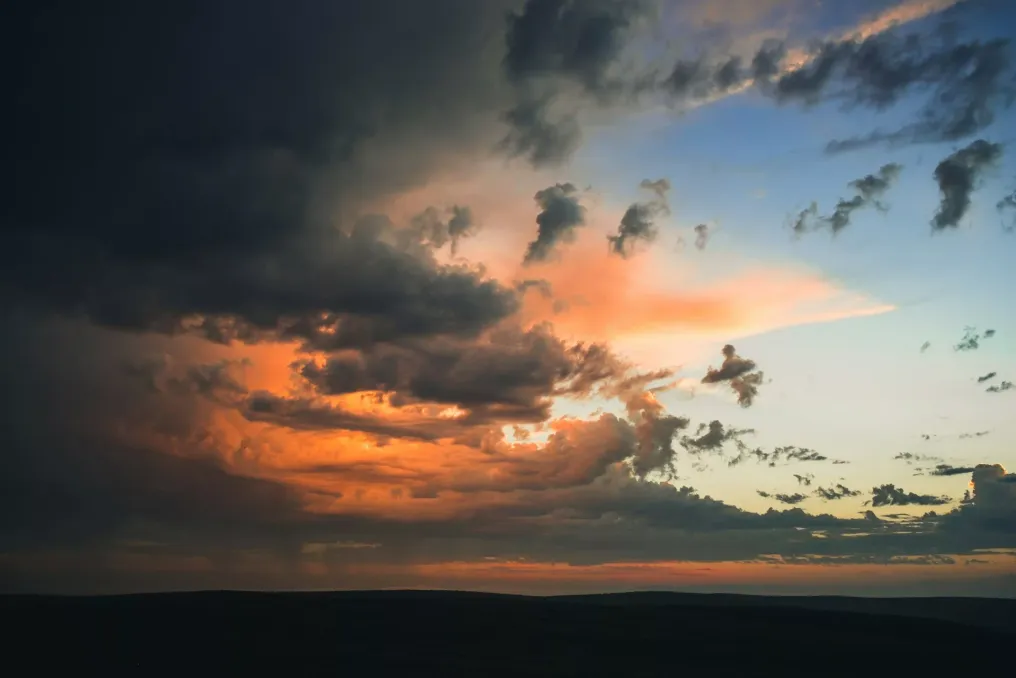
The landscape here is not as lush as with palm trees, which some tourists associate with a seaside vacation. Instead, the appeal lies in the meeting of the desert and the ocean, the wide skies, and the sense of space.
If you want a short outing, you can explore the coastal area or visit a nearby attraction. Otherwise, you can use the town as a base for several days of reading, relaxing, and enjoying the sea air.
This is the Atlantic, not a tropical swimming spot. Sea conditions can be cold and dangerous, so consult local advice before entering the water.
The 'doing nothing' plan: start with a slow breakfast, take a coastal walk, and spend the second half of the day enjoying the scenery, without commitment to excursions.
How to get there: Henties Bay is located on the west coast of Namibia, north of Swakopmund. A practical way to get there is by driving along the coast, with opportunities to stop along the way.
For a slower vacation away from the coast, the Ezulwini Valley in Eswatini offers a change of scenery. Located among green hills and countryside, this valley provides ideal conditions for relaxing stays, leisurely outings, and carefree days.
The idea here is not to fit every cultural attraction and activity into the weekend. Instead, you should choose a comfortable base and let the landscape set the rhythm. You can enjoy a slow breakfast, spend time in the garden, or take a short walk when the weather is nice.
The wider valley has cultural sites, craft markets, and dining spots, allowing you to add an excursion without turning the entire trip into a strict schedule. You can visit one interesting place and leave the rest of the day free.
The valley is well-suited for travelers who like having options nearby but do not feel obligated to use them. You can spend one day exploring a little and another doing almost nothing except enjoying the surroundings.
The 'doing nothing' plan: book rural accommodation, enjoy a leisurely breakfast, choose one easy walk, and leave the rest of the day unplanned.
How to get there: Ezulwini is near the capital of Eswatini, Mbabane, and is accessible by road. Travelers coming from South Africa should check visa requirements and their chosen route before departure.
River relaxation can make even a short break special, especially when the landscape changes throughout the day. In northeastern Botswana, Kasane is located along the Chobe River, near Chobe National Park. This area is known for its wildlife, and many visitors come with plans for safaris and boat cruises. A slower visit can take a different approach: choose accommodation with a river view, enjoy breakfast outdoors, and spend time watching the water and the wildlife that may appear on its banks.
One boat ride can be enough to see the river from a different perspective. There is no need to book every available excursion or turn the stay into a race to see the maximum number of animals.
The key is choosing accommodation that makes the setting part of the vacation. A comfortable deck, a river view, and an outdoor seating area can be as important as the offered activities.
Wildlife encounters are not guaranteed, and animals should always be observed responsibly and from a safe distance. Even without dramatic sightings, the river itself and the changing light provide a reason to slow down.
The 'doing nothing' plan: spend the morning enjoying the river view, choose one optional wildlife excursion, and leave the rest of the day free.
How to get there: Kasane is served by road and air links and is a gateway to Chobe National Park. If you plan to visit as part of a multi-country trip, allow time for border crossings and confirm transportation arrangements in advance.
Choosing the right destination is only half the battle. A relaxing trip can quickly turn into another planning exercise if every hour is booked in advance.
A few simple decisions can change things. A comfortable room, a garden, a balcony, or a water view can turn the stay into part of the experience. Before choosing where to sleep, think about how you want to spend your time.
If there is one restaurant you want to visit, or one attraction you regret missing, set aside time for it. Avoid filling every morning and evening with a new booking. One planned activity per day can be more than enough.
Choose a place where you can comfortably sit and enjoy the moment instead of rushing to the next point. A slow breakfast or a long lunch can become the highlight of the day.
A light walk is a simple way to get to know a place without adding a new excursion to the schedule. You can walk through a village, stroll along a lake trail, or look at several streets without aiming for a certain distance covered.
Take photos when something catches your eye, but don't feel obliged to capture every moment. Put your phone away for a while and enjoy the view without thinking about how it will look on screen.
'Doing nothing' does not mean there is nothing to experience. It means giving yourself enough time to notice the things that are easily missed when every day is overloaded with activities.
Whether it's enjoying a quiet beach on Benguerra Island, sitting by Lake Malawi, walking through the historic streets of Mozambique, gazing at the open coast of Namibia, or watching the Chobe River from a quiet deck, South Africa offers many ways to slow down.
You can return without a long list of checked-off attractions, but with something more valuable: the feeling that you truly enjoyed the time spent away from home.