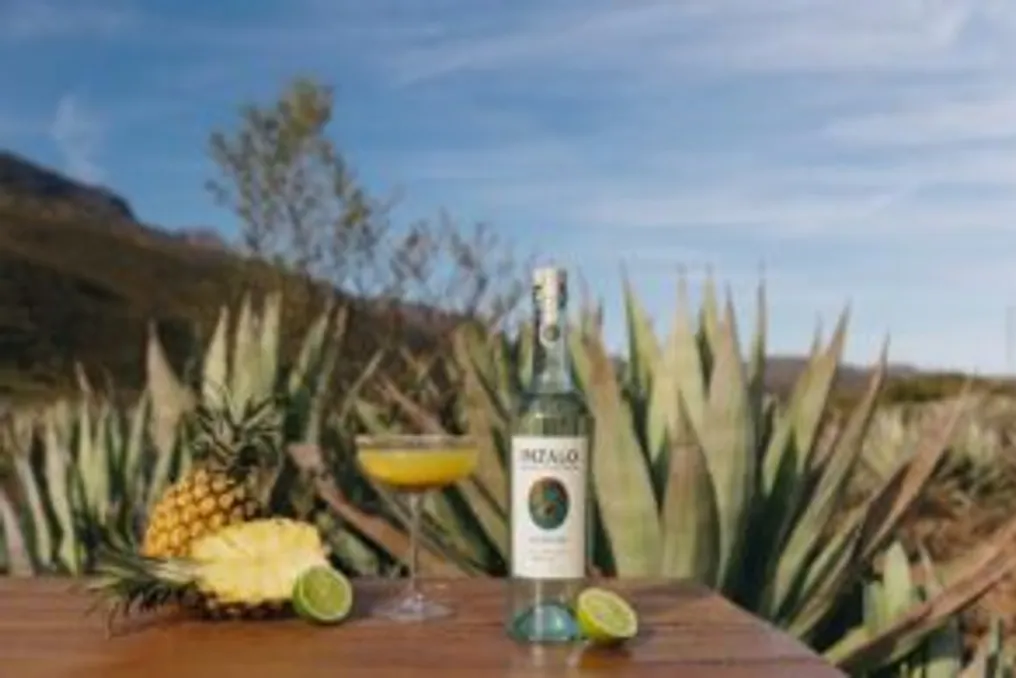
Inzalo creates a new class of agave spirits in the Karoo region
Read more
2OceanVibe
www.2oceansvibe.com

Inzalo creates a new class of agave spirits in the Karoo region

Inzalo is not just a local variation of tequila or mezcal, but an entirely new type of agave spirit. This beverage was created in South Africa from wild 'red agave,' which has been able to adapt to the harsh climate and ancient marine soils of the Klein-Karoo region for over three hundred years.

This product is unique and reflects its region of origin. The Inzalo team spent over two years studying various types of agave across the country before discovering a rare wild red agave growing in several remote valleys of Klein-Karoo. These plants are characterized by slow and steady growth; some take more than twenty years to mature, and their weight can exceed 200 kg.

The characteristics of the growing environment shape the agave itself. The scorching sun, extremely dry air, and salty, mineral-rich soils left by the ancient seabed give the agave a distinct character, different from the plants used for Mexican spirits. Instead of starting with a recipe and adapting the plant to it, the team did the opposite: they created the spirit based on the characteristics of the plant itself, allowing the Karoo to do its part.

Inzalo's production approach is based on one question: how best to express this specific agave in this specific place? The answer lies in moderation. The company's philosophy is simple: not to suppress the plant, but to convey its essence. This approach has led to the creation of a spirit with notes of tropical fruits, citrus, and sweet spices, complemented by a soft, oily character and a distinct, lingering salty/mineral finish.

What sets Inzalo apart is not only that it is produced outside Mexico, but also that all aspects of this drink allow it to respond to its own origin. Due to its uniqueness, Inzalo has attracted attention, confirmed by numerous awards. The company won a double gold medal at the International Spirits Challenge, one of the most renowned global competitions, as well as gold plus 96 points at IWSC, placing the spirit in the highest category. Furthermore, it received a gold award at the Agavos Awards, a competition dedicated to agave spirits, and silver at the San Francisco World Spirits Competition.

Recently, Inzalo was honored with the Agave Spirit Trophy at the International Spirits Challenge, the highest award at one of the largest and oldest global competitions. This is also the first time a non-Mexican spirit has received this award. Inzalo sees the evolution of agave along the path taken by the wine industry. Just as wine, long tied to few places, saw producers begin exploring different soils, climates, and varietals, giving rise to new wine regions with their own identity, the team believes that agave is moving in the same direction. The goal is not to imitate the traditions of agave's homeland, but to demonstrate that exceptional agave spirit can be authentic to its land, implying the creation of a South African agave category based on origin, quality, and individuality.

This is already being put into practice. Inzalo is developing a commercial planting program starting with 12 hectares and plans to reach over 100 hectares by 2030. This will ensure a long-term supply of locally produced agave and allow the use of drought-affected lands, turning them into productive areas with new earning opportunities for local residents. Thus, Inzalo offers a Karoo-sized answer to the assertion that agave spirit only means Mexico.
Similar stories

Creator of Orkut aims to revive popular social network
Read more
yourstory.com

Creator of Orkut aims to revive popular social network

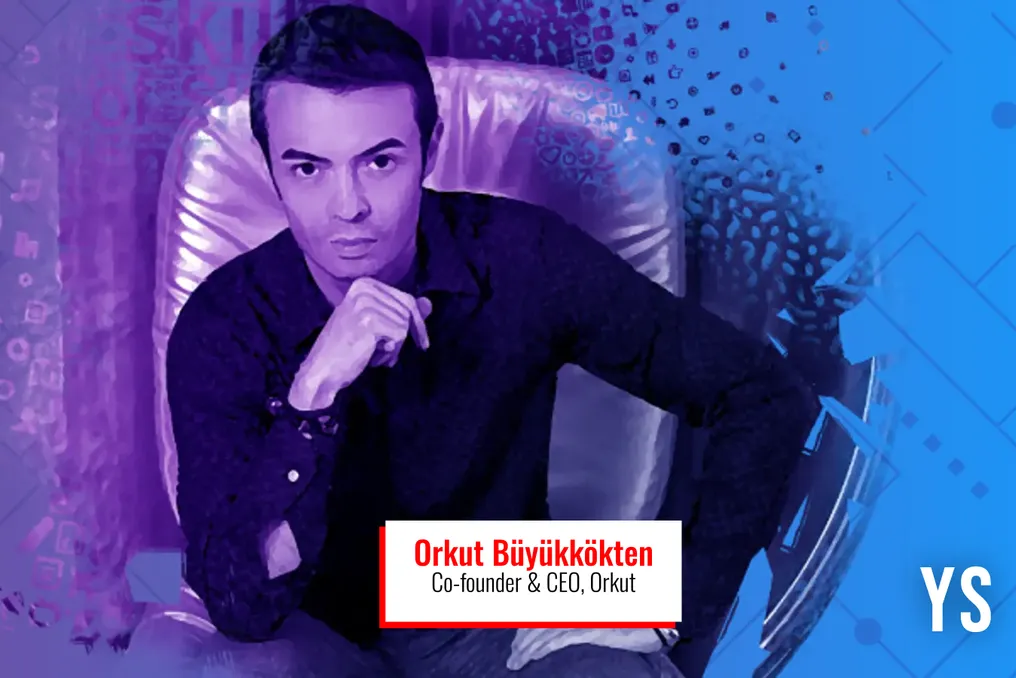
Orkut Büyükkökten, the developer of the orkut.com platform, is attempting to bring this iconic social network back to life, which introduced many people to the concept of social networking. He stated on the social network X that the internet should facilitate finding people, friendship, community, and a sense of belonging, calling for help in restoring Orkut in the same spirit.

Büyükkökten, who has created four different social platforms, the last being Hello.com, now hopes to resurrect Orkut. The entrepreneur called on users to sign their names on the Orkut website, effectively initiating a petition for a new social network focused on 'authentic people, real connection, and a genuine sense of belonging.'

As of October 9, the site had gathered over 270,000 signatures, with the majority coming from Brazil. Other countries whose citizens supported the initiative included Portugal, Ireland, and Paraguay.

Orkut was created by Büyükkökten as a side project while he was working at Google. The launch of the social network took place in January 2004, about two weeks before Facebook started. Until its closure in September 2014, Orkut was owned and managed by Google.

In 2008, Büyükkökten left the Orkut team to take a product manager position at Google. By that time, Facebook was actively expanding internationally, refining its design, privacy settings, and third-party application ecosystem. Meanwhile, Orkut reached an audience of over 300 million users worldwide and became an important part of internet culture in Brazil, India, and other regions.

However, according to Comscore audience data, Facebook surpassed Orkut in India in July 2010 and in Brazil in December 2011. Despite strong support in India and Brazil, Orkut failed to achieve comparable popularity in many Western markets, while Facebook continued to grow globally. The platform also faced serious security issues, including a worm that exploited the Scrapbook feature in 2007.

Concurrently, Google launched the Google+ social networking and identification service in June 2011. On June 30, 2014, Google announced the closure of Orkut on September 30, 2014, citing that YouTube, Blogger, and Google+ were growing faster. This decision reflected the company's strategic choice to redirect resources to its other social platforms.

India Today Group launches teaser for first series of 'RRRR' on 'Life Tak' platform using digital avatars
Read more
www.aajtak.in

India Today Group launches teaser for first series of 'RRRR' on 'Life Tak' platform using digital avatars

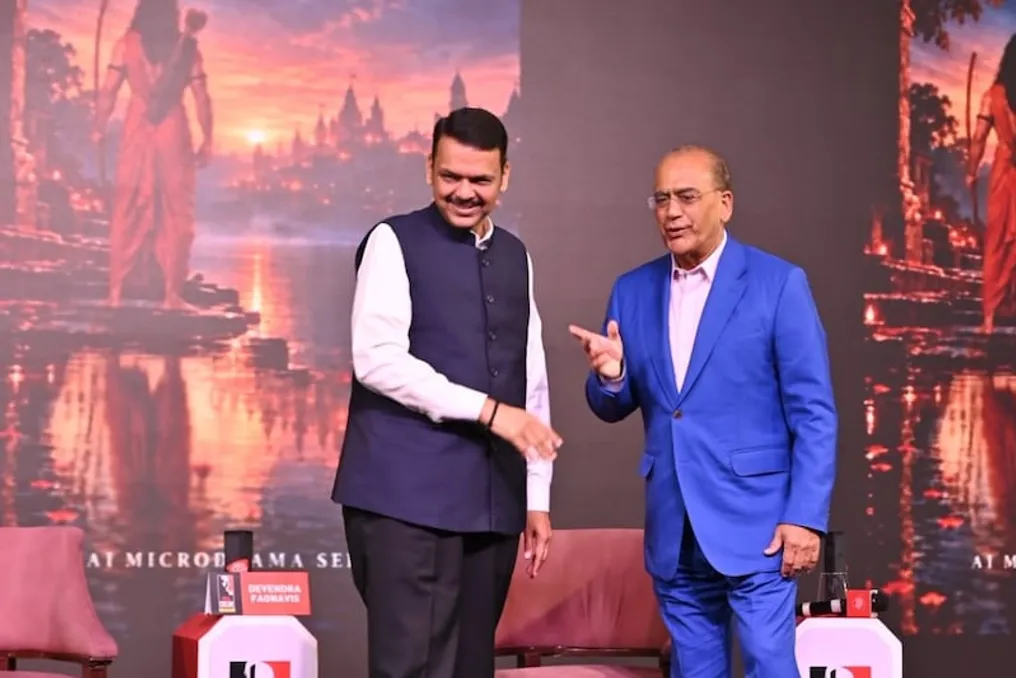
India Today Group has entered a new phase in the field of digital entertainment by presenting the teaser for its first short series titled 'रघुपति राघव राजा राम' (RRRR). This teaser was released at the India Today Conclave 2026 event held in Mumbai. The series is the debut project of a mobile-oriented micro-drama on the 'Life Tak' platform.

The official teaser for the series was presented by Maharashtra Minister Devendra Fadnavis and Arun Puri, Chairman and Editor-in-Chief of India Today Group.

'रघुपति राघव राजा राम' aims to present the eternal story of Ramayana in a modern form adapted for contemporary audiences. The series is created in a high-speed, captivating, and intense vertical video format. It is designed to meet the needs of viewers who consume content on digital platforms, presenting India's cultural history through modern technology and high-quality production. The project's goal is to provide the viewer with a strong narrative in a short time that is easy to watch on mobile devices.

'रघुपति राघव राजा राम' is the first series created within India Today Group's new technological and creative ecosystem. This ecosystem includes technologies such as advanced AI-based visual engineering, scriptwriting tools, and world-building techniques. These methods will allow for the presentation of both traditional and new stories in an updated format, emphasizing the integration of a modern technological approach and narrative style.

The premiere of 'रघुपति राघव राजा राम' is scheduled for October 18, 2026. Viewers will be able to watch episodes of this series on the official social media platforms of 'Life Tak', as well as on the Aajtak, YouTube, and Facebook apps, and via Instagram (@lifetak). Through the 'Life Tak' platform, India Today Group has entered the premium digital fantasy and infotainment market, offering stories in a vertical video format with cinematic production quality.

This initiative by India Today Group represents a significant step forward in the field of digital media, aimed at developing new experiments and reaching an audience that prefers watching short content on mobile devices.

Popular