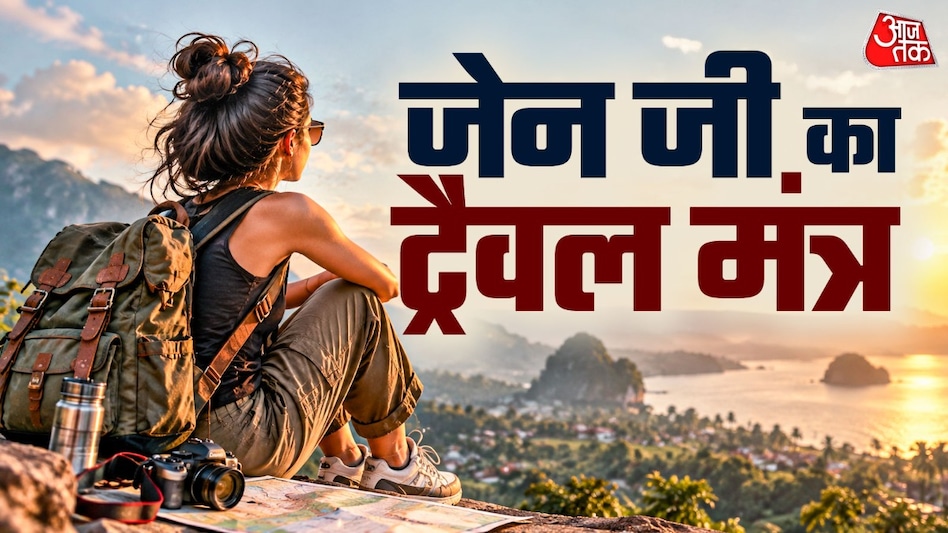
The desire to travel is popular among everyone, but for Generation Z, the concept of travel has long ceased to be limited to simply taking a vacation, visiting famous places, and taking photos. Young people are looking for new ways to explore the world, whether it's planning a short trip or spontaneously wandering through unfamiliar streets. Due to this changing worldview in tourism, many new terms have emerged. Concepts such as micro-cations, side-questing, and anti-itinerary show that for Gen Z, travel is not just about reaching a destination, but also about the experience gained along the way.
Micro-cations and Vibe-cations: A New Approach to Short Trips
Micro-cation implies a short vacation that does not require large financial expenditures or a long holiday; a weekend trip to a neighboring city, mountain area, or quiet place is sufficient. Vibe-cation, on the other hand, suggests having a specific goal or motivation for the trip, such as needing time to rest from stress or gain a unique experience.
Mirror Trip and De-Influenced Travel
A mirror trip focuses on experiencing travel through the lens of one's own preferences, identity, and personal experience. In contrast, de-influenced travel means traveling based on personal needs, budget, and tastes, rather than what places are popular on social media and trendy.
Canon Event and Room Rotting
In internet slang, a canon event is an experience that becomes a memorable turning point in life. In the context of travel, this could be a solo trip, a first visit to a new place, or a lesson learned from an unforeseen situation. Room rotting, although not a direct tourism trend, is related to the desire to take a break from constant movement and activity by spending time at home or in a room.
Local Lore Hunting and Side-Questing
Local lore hunting involves studying the local stories, history, beliefs, and little-known legends of a place. Side-questing means deviating from the main plan for a sudden interesting activity or small activity, such as visiting an unknown cafe, searching for a local market, or checking out a place noticed along the way.
Anti-Itinerary Trip and Drat Tripping
With an anti-itinerary trip, every moment of the journey is not pre-fixed; travelers move freely according to their desires without a rigid schedule. Drat tripping usually refers to trips where alcohol consumption is avoided, although this term can have various meanings depending on the context.
Blitzer and Mental Health Travel
Blitzer is a combination of business and leisure, where someone traveling for work extends their trip to relax or sightsee. Mental health travel aims to find peace of mind, relieve stress, and spend time in solitude with oneself.
The terms in the Gen Z travel vocabulary allow one to view the same type of trip from different perspectives: sometimes it is a short break, sometimes an unplanned journey, and sometimes a search for local legends. It is important to understand, however, that all these words do not represent a single trend, nor are they limited only to Generation Z. Nevertheless, they demonstrate the modern young people's desire to define their travel experiences according to their needs, convenience, and preferences. Ultimately, the pleasure of travel lies not only in arriving at the destination but also in the ability to travel on one's own terms.