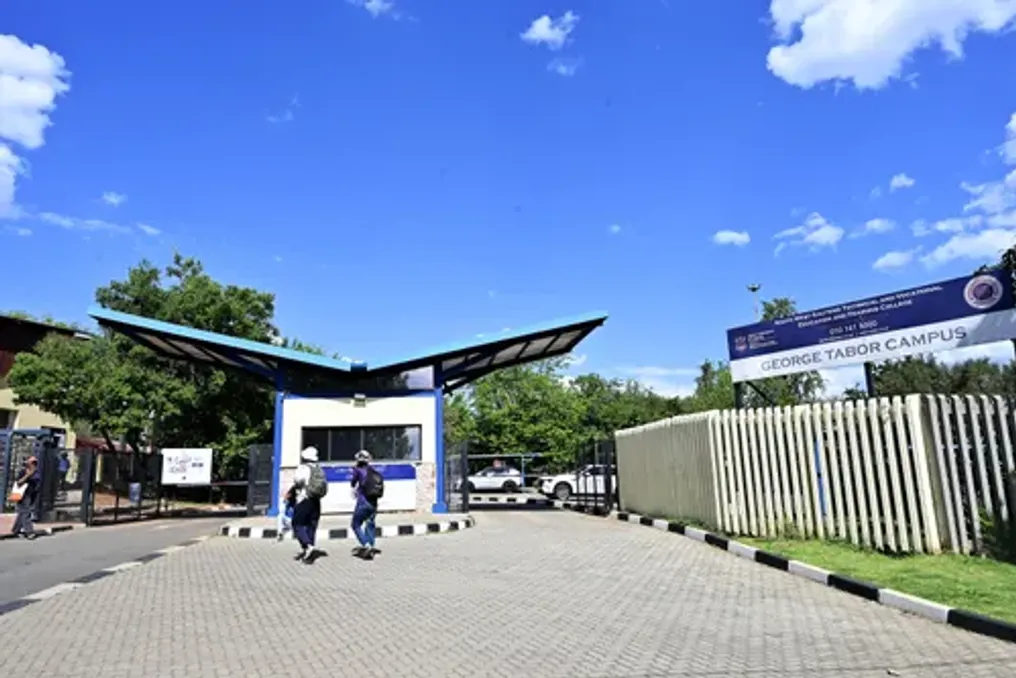
The Minister of Higher Education and Training, Buti Manamela, stated that the government is intensifying efforts to change the long-held perception that university is the only path to a successful career, aiming to make Technical and Vocational Education and Training (TVET) colleges the number one choice for young South Africans.
Through his representative, Matshepo Siddata Manamela, he acknowledged that changing deeply ingrained attitudes towards vocational education will take time. For many generations, university education has been associated with professional success, social mobility, and a better future.
The department is working to bridge this gap by conducting information campaigns, reforming curricula, and modernizing TVET college facilities. The department noted that 'changing historically entrenched, generational perceptions will take time.'
Initiatives include an annual 'TVET Month' campaign, which celebrated its 11th anniversary in August 2026, as well as introducing qualifications that better meet economic needs to improve students' chances of employment and entrepreneurship.
Furthermore, the department is modernizing TVET colleges: it plans to fund and establish 64 Fourth Industrial Revolution laboratories by the end of the 2026 financial year, ensuring access to advanced laboratories in every public TVET college.
Manamela emphasized that the government is not urging every school leaver (matriculant) to attend university. Instead, the department places TVET colleges at the center of what it calls a national 'skills revolution,' given the urgent need for specialized technical competencies in the economy.
The department is working towards achieving the goal of the National Development Plan—to graduate 30,000 qualified artisans annually by 2030. Manamela also believes that improving pathways for further learning will help dispel the stigma associated with vocational education.
Siddata reported that students should have the ability to transition from a TVET qualification to higher technical education without losing accumulated credits. She added: 'When parents see clear pathways through which a TVET graduate can seamlessly move from a master certificate to an advanced engineering degree, the societal stigma naturally disappears.'
The department is also expanding career counseling through its Khetha Career Services network, which has provided advisory services to over 250,000 active clients and students. According to Siddata, this program aims to familiarize students with apprenticeships, technical training, and professional opportunities before they choose higher education.
The department is replacing outdated NATED Report 191 programs with accredited QCTO professional qualifications while simultaneously introducing fields such as artificial intelligence, robotics, software development, and the Internet of Things through partnerships with technology companies.
Manamela predicts that noticeable changes will occur in TVET colleges over the next 24–36 months, including curriculum reforms, infrastructure upgrades, improved governance, and increased opportunities for work-integrated learning and entrepreneurship.
The department also expects the TVET infrastructure and efficiency grant to increase to over 900 million rand by 2028/29, which will support student living conditions and a safer campus environment.
The ultimate goal, according to Siddata, is to shift the perception of TVET education from a secondary option to a preferred pathway for employment, entrepreneurship, and technical professions.